









Travel often disrupts our routines—in the best and worst ways. While new destinations, exciting foods, and spontaneous schedules make exploring the world worthwhile, they can also interfere with daily oral hygiene habits. Between long flights, hotel stays, jam-packed itineraries, and limited access to water, maintaining a healthy smile on the go can feel challenging. Yet the truth is surprisingly empowering: with the right tools and simple strategies, travel-friendly oral care is absolutely achievable.
This article dives into how portable kits, waterless solutions, and smart timing choices can help you keep your smile bright and healthy no matter where your adventures take you.
Why Oral Care Feels Harder When Traveling
Travel disrupts structure. Most people rely on routine—brushing after breakfast, flossing before bed, rinsing after meals. On the road, those predictable cues vanish. Time zones shift. Meals become irregular. Luggage limits tighten. Public spaces lack private sinks. Airplane bathrooms are cramped, and some destinations even have water safety concerns.
This makes oral care feel secondary, yet your teeth do not take vacation days. Sugary treats, dehydrating flights, travel stress, and inconsistent hygiene combine to create the perfect storm for plaque buildup and enamel fatigue. That’s why smart, mobile-friendly oral care isn’t just convenient—it’s essential.
What Makes a Good Portable Oral Care Kit?
A travel-friendly oral hygiene kit should be compact, protective, and fully functional. The key is curating items that deliver maximum effectiveness with minimal space.
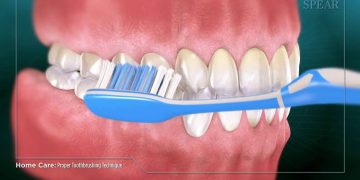
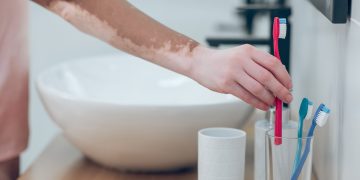
1. A Foldable or Travel-Sized Toothbrush
Modern travel toothbrushes come in compact, hygienic designs:
- Foldable handles that double as protective cases
- Ventilated caps for drying
- Silicone brushes for ultra-light packing
- Electric travel toothbrushes with USB charging
Choose soft bristles to avoid gum irritation during travel, especially since dehydration can make tissues more sensitive.
2. Travel-Sized Toothpaste or Toothpaste Tablets
Toothpaste tubes are convenient but can leak or get flagged during airport security. Alternatives include:
- Toothpaste tablets (crush between teeth, then brush)
- Powdered toothpaste
- Solid toothpaste sticks
These non-liquid formats are TSA-friendly and mess-free.
3. Floss or Floss Picks
Floss is essential, especially while traveling when snacking increases. Travel-friendly options include:
- Compact floss containers
- Single-use floss picks
- Biodegradable floss for eco-travel
4. Compact Mouthwash
Liquids can be bulky, so waterless alternatives are ideal:
- Mouthwash tablets
- Concentrated drops
- Strip-style breath fresheners
Many tablet rinses require only a sip of water to activate.
5. Chewing Gum (Sugar-Free)
Sugar-free gum—especially xylitol gum—is incredibly useful for:
- Increasing saliva on dry flights
- Neutralizing acid after meals
- Providing quick breath refreshment
- Cleaning the mouth when brushing isn’t possible
6. Travel Toothbrush Sanitizer
Optional but useful:
- UV-sanitizing caps
- Antimicrobial brush protectors
These keep the brush hygienic in shared bathrooms or backpacks.
7. Storage Pouch
A waterproof, zippered pouch keeps everything clean, organized, and accessible.
Waterless Oral Care Solutions: Essential for Travelers
When you’re traveling, especially internationally or through remote destinations, water isn’t always clean, available, or convenient. Waterless oral care offers creative solutions that keep your hygiene routine intact.
1. Dry Brushing
If you have no water, brush your teeth with a dry toothbrush.
Brushing without toothpaste still removes plaque and food particles effectively.
2. Chewing Gum for Rinsing and Acid Neutralization
Sugar-free gum stimulates saliva—your natural defense against plaque, acid, and dryness. Chew for 10–20 minutes after eating.
3. Mouthwash Tablets
These portable tablets dissolve quickly with minimal water—perfect for airports, camping, and road trips.
4. Dental Wipes
Individually wrapped dental wipes are useful for:
- Toddlers or children
- Bedridden moments during long flights
- Quick freshening between meals
5. Hydration for Oral Health
Dehydration thickens saliva, allowing bacteria to thrive.
Always carry:
- A refillable water bottle
- Electrolyte tablets
- Hydrating snacks like fruit
Hydration is an oral-health strategy, not just a wellness one.
Timing Your Oral Care on the Go: Why It Matters
In travel settings, timing matters almost as much as technique. Your teeth are most vulnerable:
- After eating acidic or sugary foods
- During long periods without water
- On dehydrating flights or drives
- When snacking frequently
- When brushing gets delayed
These timing tips keep your routine effective even when schedules get messy.
1. Brush Before a Flight, Not Just After
In-flight meals, dry cabin air, and increased mouth breathing create a perfect cavity environment.
Brushing before boarding:
- Reduces bacteria
- Minimizes odor
- Protects enamel before exposure to dry air
If brushing mid-flight, use waterless methods or bottled water.
2. Use Gum After Every Snack or Meal
Travel encourages grazing—airport snacks, roadside treats, local street food.
Every bite lowers pH and increases bacterial activity.
Chew sugar-free gum for 10–20 minutes after eating if brushing isn’t possible.
3. Nighttime Brushing Is Non-Negotiable
Even when exhausted, never skip your nighttime brush.
Plaque that stays overnight becomes more acidic and harder to remove the next day.
Make nighttime oral care the anchor of your routine, no matter your time zone.
4. Keep Tools Easily Accessible
Don’t bury your oral care kit deep in luggage.
Store it:
- In your carry-on
- In your hotel nightstand
- In your day bag for on-the-go brushing
Out of sight often means out of mind—especially while traveling.

Understanding Travel-Specific Oral Health Risks
Travel introduces unique stressors to the oral environment.
1. Dry Cabin Air
Airplane humidity often drops below 20%, drying out saliva and increasing bacterial growth.
2. Sugar-Rich Travel Foods
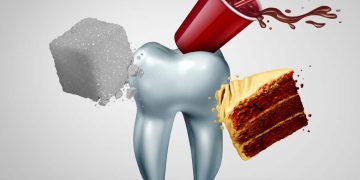
A “vacation mindset” makes high-sugar snacks more appealing. Think pastries, sodas, cocktails, candy, and desserts.
3. Time Zone Disruption
Brushing schedules shift, increasing plaque accumulation.
4. Missed Hygiene Due to Fatigue
Exploring all day makes brushing feel like a chore—yet it becomes even more important.
5. Different Water Quality
Brushing with unsafe water can cause illness.
Use bottled or purified water when in doubt.
Destination-Specific Oral Care Tips
1. International Travel
- Carry your own water for brushing
- Use toothpaste tablets to avoid spills
- Pack extra floss (it’s not always easy to find)
2. Camping or Outdoor Adventures
- Prioritize waterless solutions
- Bring biodegradable dental wipes
- Dispose of waste responsibly
3. Business Travel
- Keep a dental kit in your laptop bag
- Use mouthwash drops before meetings
- Stay hydrated despite long workdays
4. Road Trips
- Keep gum and water easily reachable
- Brush at rest stops
- Store your oral care kit near the front seat
Can You Maintain Your Whitening Routine While Traveling?
Yes, but with modifications.
Safer Travel-Friendly Whitening Options
- Whitening strips
- Whitening pens
- Touch-up brushes
- Non-peroxide whitening powders
Avoid intensive LED whitening or strong peroxide treatments unless staying in one location for a while—they can increase sensitivity and require consistent aftercare.
How to Stay Motivated to Maintain Oral Care on the Go
Travel enjoyment and oral health don’t have to conflict. Use these psychological prompts:
- Make your travel kit visually appealing
- Schedule oral care reminders on your phone
- Connect brushing with unpacking rituals
- Reward yourself with travel-size products you love
Small habits make big differences.
The Bottom Line: Can You Really Maintain a Healthy Smile While Traveling?
Absolutely—travel-friendly oral care is not only possible but surprisingly simple when you plan ahead.
With portable tools, smart waterless options, and intentional timing, your oral health doesn’t have to decline just because you’re away from home. Whether you’re navigating airport terminals, strolling foreign markets, or camping under the stars, your smile can remain clean, fresh, and protected.
Travel may change your routine, but it doesn’t have to change your hygiene standards.






Discussion about this post