













We often view sleep as a time of rest and rejuvenation for both body and mind. But for millions, the night brings a hidden battle that leaves its mark not on their energy levels, but on their teeth. The connection between sleep and oral health is a profound and often overlooked relationship. Poor sleep doesn’t just make you tired; it can trigger a cascade of physiological events that lead to cracked teeth, receding gums, and chronic pain. From the violent, unconscious grinding of bruxism to the oxygen-depriving pauses of sleep apnea, the disorders that disrupt our slumber are actively working against our dental health. This article uncovers the silent nighttime assault on your smile, explaining the mechanisms behind the damage and providing a clear roadmap for protection and professional intervention.
1. The Nighttime Assault: Understanding Sleep Bruxism and Its Dental Fallout
Sleep Bruxism is the medical term for unconsciously clenching, gnashing, or grinding your teeth during sleep. It’s not just a bad habit; it’s a sleep-related movement disorder that exerts incredible force on the dentition.
The Mechanics of Destruction: The human jaw is one of the most powerful muscle groups in the body relative to its size. During a bruxism episode, this power is unleashed on the teeth with a force that can be up to six times greater than during normal chewing. This isn’t a gentle rubbing; it’s a violent, parafunctional activity that the teeth were never designed to withstand.
The Tell-Tale Signs in Your Mouth: You may be unaware you grind, but your teeth bear the evidence. A dentist can identify the unmistakable signs:
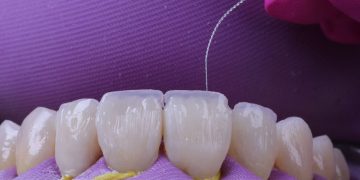
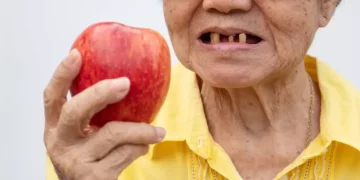
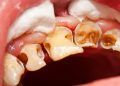
- Wear Facets: Flattened, polished areas on the biting surfaces of the teeth, erasing the natural cusps and grooves. In severe cases, teeth can be ground down to stumps.
- Microcracks and Fractures: The immense pressure creates craze lines in the enamel and can lead to cracked tooth syndrome or even complete fractures, necessitating crowns, root canals, or extractions.
- Hypertrophied Masseter Muscles: The jaw muscles become enlarged and tender from constant workout, leading to a squared jawline and facial pain.
- Tooth Sensitivity: As the protective enamel is worn away, the underlying dentin is exposed, leading to sharp pain with hot, cold, or sweet stimuli.
2. The Choking Hazard: How Sleep Apnea Directly Harms Your Oral Environment
Obstructive Sleep Apnea (OSA) is a far more serious disorder characterized by repeated collapse of the upper airway during sleep, causing breathing to stop and start. Its impact on oral health is both direct and indirect.
The Link to Bruxism: The body is a brilliant survival machine. When an apnea event occurs and the airway collapses, the brain, desperate for oxygen, triggers a jolt to the body. This often includes a clenching or grinding of the jaw, as this action helps to temporarily reopen the airway. Therefore, bruxism is frequently a symptom of untreated sleep apnea—the body’s last-ditch effort to keep you breathing.
The Mouth-Breathing Cycle: People with OSA are often chronic mouth-breathers. This has a devastating effect on the oral environment:
- Chronic Dry Mouth (Xerostomia): Saliva is the mouth’s natural protective wash. Mouth breathing dries it up, eliminating its ability to neutralize acids, wash away food debris, and remineralize enamel. This creates a high-risk environment for rampant tooth decay and oral thrush (a fungal infection).
- Gingivitis and Periodontitis: A dry mouth allows plaque to accumulate more easily and become more pathogenic. The inflammation associated with sleep apnea—driven by low oxygen levels (hypoxia) and systemic inflammation—also compromises the body’s ability to fight off the bacterial infection of gum disease.
3. The Inflammatory Storm: How Sleep Disruption Fuels Gum Disease
The connection between sleep and inflammation is a key piece of the puzzle. Poor sleep doesn’t just make you feel run-down; it puts your entire immune system on high alert.
Cytokine Cascade: Consistently disrupted sleep, as seen in insomnia and sleep apnea, leads to the overproduction of pro-inflammatory cytokines—signaling proteins that drive inflammation throughout the body. This creates a state of chronic, low-grade systemic inflammation.
A Weakened Defense in the Gums: The gums are highly vascular tissue, meaning they are directly exposed to this systemic inflammatory state. This hyper-inflamed environment:
- Exacerbates Existing Gum Disease: It amplifies the body’s inflammatory response to dental plaque, leading to more redness, swelling, bleeding, and tissue destruction characteristic of periodontitis.
- Impairs Healing: The body’s ability to repair and maintain the periodontal tissues (the bone and ligament that hold teeth in place) is compromised, accelerating the progression of gum disease.
4. Fortifying Your Smile: Practical Strategies to Protect Your Teeth from Grinding
If you suspect or know you grind your teeth, proactive protection is non-negotiable to prevent irreversible damage.
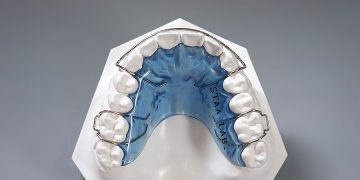
The Gold Standard: A Custom Night Guard: This is the single most important step you can take. A professionally made night guard, fabricated by your dentist from a hard or dual-laminate material, is not a soft, over-the-counter “boil-and-bite” kit.
- How it Works: It creates a protective barrier between your upper and lower teeth, absorbing and distributing the destructive forces of grinding. This prevents wear on the teeth, reduces muscle strain, and protects existing dental work.
- Why Custom is Crucial: A professionally fitted guard ensures even contact, stability, and comfort, encouraging compliance and providing optimal protection.
Adjunctive Daytime Strategies:
- Mindful Awareness: Practice keeping your lips together and teeth apart during the day. The ideal resting position is with the tongue on the roof of the mouth and the teeth slightly separated.
- Jaw Muscle Relaxation: Gently massage the jaw muscles (masseters) at the angle of your jaw. Apply a warm washcloth to the sides of your face to ease tension.
- Stress Management: Since stress and anxiety are major triggers for bruxism, incorporating practices like meditation, deep breathing, or light exercise can reduce the overall urge to clench.
5. Heed the Warning Signs: When It’s Time to Consult Your Dentist
Your dentist is often the first healthcare professional to spot the signs of a sleep disorder. Do not ignore these red flags.
Schedule a Dental Consultation Immediately If You Experience:
- Waking up with jaw pain, headaches, or earaches.
- Your partner tells you that you grind or snore loudly.
- You notice your teeth are getting shorter, chipped, or cracked.
- You have unexplained tooth sensitivity.
- Your jaw feels tired or tight, especially in the morning.
- You have chronic dry mouth upon waking.
The Dentist’s Role in the Solution:
- Diagnosis and Education: Your dentist will identify the signs of bruxism and explain the damage it’s causing.
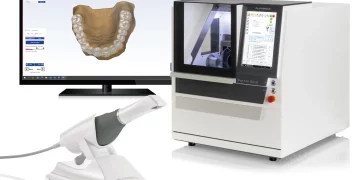
- Fabricating a Night Guard: They will take impressions or a digital scan to create your custom protective appliance.
- Screening for Sleep Apnea: Based on your symptoms and oral signs (like a scalloped tongue from pressing against the teeth, a small airway, or severe wear), your dentist may be the one to first suggest you undergo a sleep study for a formal OSA diagnosis.
- Coordinating Care: Dentists can work with your physician and a sleep specialist. They are also often the providers of Oral Appliance Therapy—a custom-made device, similar to a night guard, that is designed to reposition the jaw to keep the airway open during sleep, serving as a treatment for mild to moderate sleep apnea.
The state of your smile is a powerful barometer for the quality of your sleep. The damage from grinding and the inflammation from apnea are not problems you can simply sleep off. They require a conscious, proactive defense. By understanding this intimate link, investing in professional protection like a night guard, and seeking a medical evaluation for suspected sleep apnea, you can defend your teeth from the nightly assault and ensure that your time of rest is truly restorative for your entire body, including your smile.







Discussion about this post