















For millions of people worldwide, dental prosthetics such as dentures, bridges, and partials provide essential support for oral function, aesthetics, and self-confidence. These restorations restore the ability to chew, speak, and smile comfortably, but they also come with unique hygiene requirements. Caring for prosthetics goes far beyond regular brushing: improper maintenance can lead to bacterial buildup, bad breath, staining, and even oral infections. Understanding the differences between natural teeth and dental prosthetics, and implementing effective cleaning routines, is essential for long-term oral health.
This article explores the types of dental prosthetics, how their care differs from natural teeth, recommended tools, strategies for preventing odor and bacteria, and the importance of professional maintenance.
1. What Are the Most Common Types of Dental Prosthetics?
Dental prosthetics are designed to replace missing teeth or restore damaged teeth, and they vary in material, function, and complexity.
Full Dentures
- Replace all teeth in the upper or lower jaw.
- Made from acrylic resin or acrylic with a metal framework.
- Rest on the gums and rely on suction or adhesive for stability.
- Require careful hygiene to prevent gum irritation and infections.
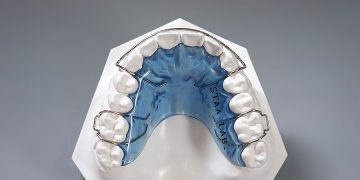
Partial Dentures
- Replace one or more missing teeth while retaining natural teeth.
- Often made of acrylic or metal frameworks with artificial teeth attached.
- Use clasps or precision attachments to stay in place.
- Cleaning must address both the denture and surrounding natural teeth.
Fixed Bridges
- Replace missing teeth by anchoring to adjacent natural teeth or implants.
- Cemented permanently, cannot be removed by the patient.
- Require flossing under the pontic (the artificial tooth) and around abutments.
Implant-Supported Prosthetics
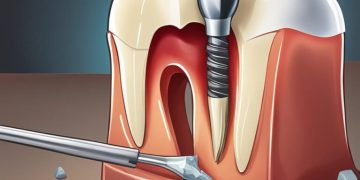
- Attach to titanium implants embedded in the jawbone.
- Include single crowns, implant-supported bridges, or overdentures.
- Cleaning must focus on both the prosthetic surface and the surrounding gum tissue to prevent peri-implantitis.
Each prosthetic type requires a tailored care approach, as materials and attachment mechanisms influence how bacteria accumulate and how the restoration should be cleaned.
2. How Does Cleaning Dental Prosthetics Differ from Natural Teeth?
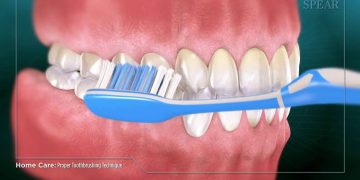
While brushing and flossing natural teeth aim to remove plaque and maintain enamel health, prosthetic care focuses on:
Surface Debris Removal
- Food particles and biofilm accumulate differently on acrylic, metal, and ceramic surfaces.
- Certain materials, such as acrylic dentures, are more prone to staining from coffee, tea, and tobacco.
Avoiding Abrasive Damage
- Many prosthetic materials can scratch easily.
- Harsh toothpaste or stiff brushes can wear down surfaces, creating micro-crevices for bacteria to thrive.
Gum and Soft Tissue Care
- Prosthetics rest on or near gum tissue, so cleaning routines must also target the underlying gums to prevent inflammation, sores, and fungal infections.
Flossing Under Fixed Restorations
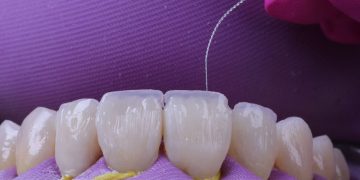
- Fixed bridges require specialized flossing techniques, such as using floss threaders, interdental brushes, or water flossers, to clean beneath pontics and around abutments.
Understanding these distinctions helps ensure that prosthetics remain functional, hygienic, and comfortable over time.
3. What Tools Are Best for Prosthetic Hygiene?
Using the right tools is crucial to maintain both the prosthetic and surrounding oral tissues.
Brushes
- Soft-bristled brushes: Gentle on gums and prosthetic surfaces.
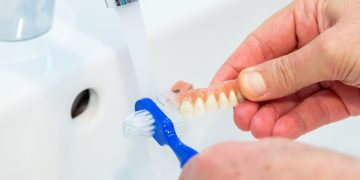
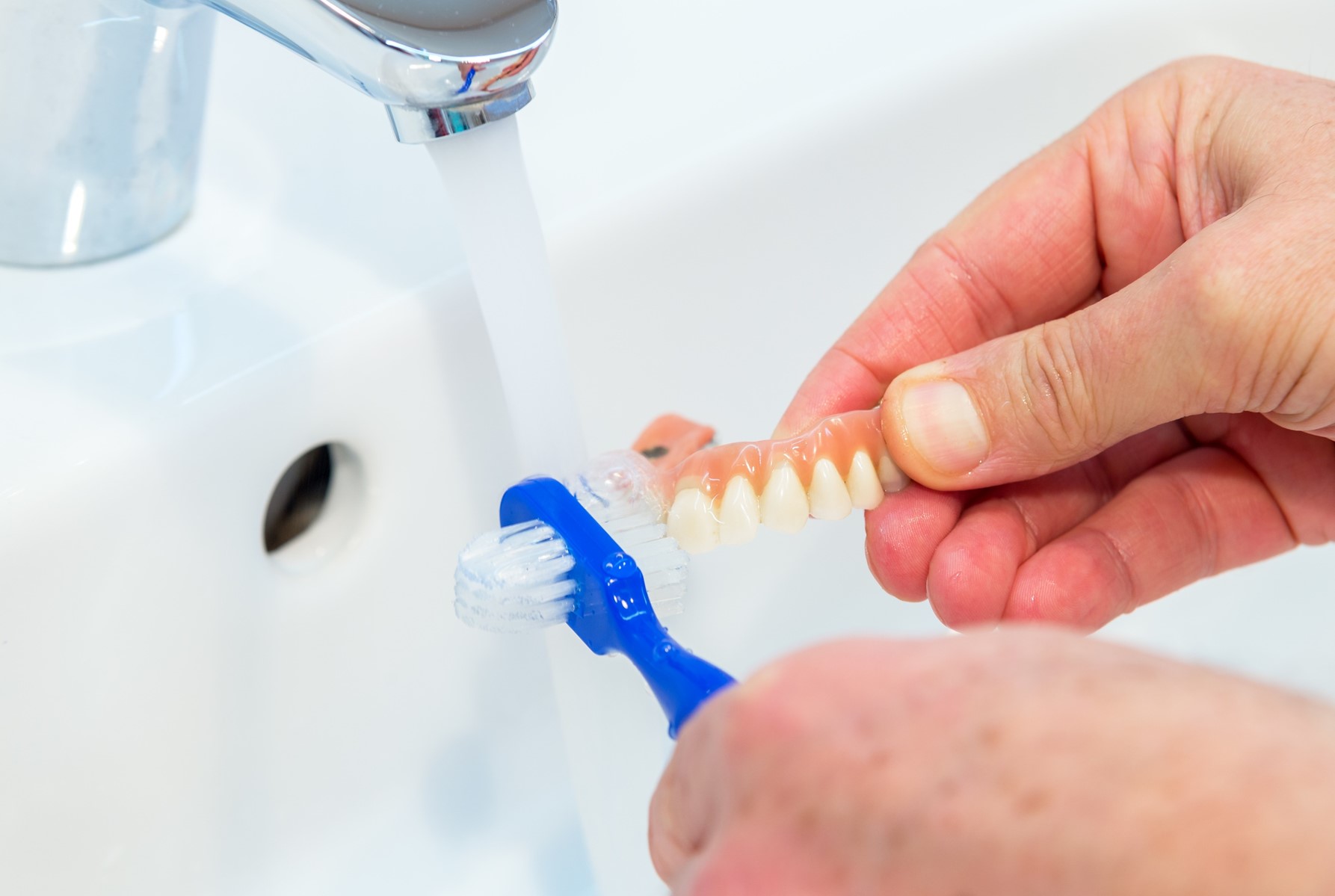
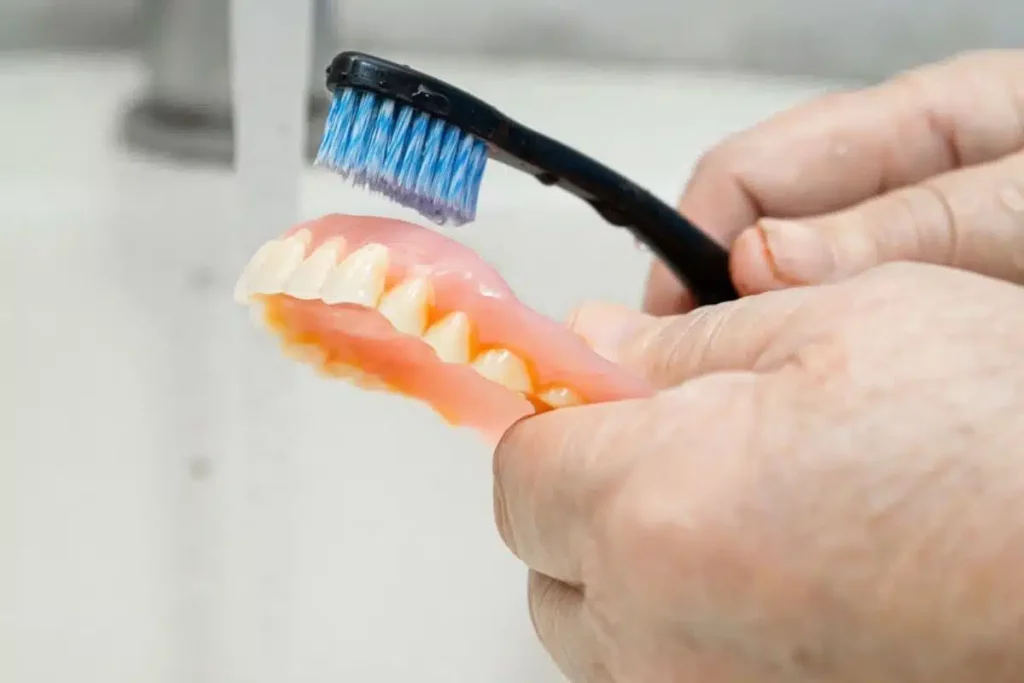
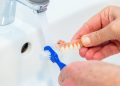
- Denture brushes: Specifically shaped to reach under clasps and contours of removable prosthetics.
Floss and Threaders
- Floss threaders: Essential for bridges, allowing floss to reach under the pontic.
- Superfloss or interdental brushes: Remove plaque from tight spaces or around implants.
Water Flossers
- Use pressurized water to flush out debris and bacteria under bridges, around implants, and under dentures.
- Reduce gum inflammation and improve patient compliance due to ease of use.
Cleaning Solutions
- Denture soak solutions: Kill bacteria and remove stains for removable prosthetics.
- Non-abrasive denture toothpaste: Avoids scratching surfaces while providing plaque removal.
- Antimicrobial mouth rinses: Help reduce bacterial buildup on both prosthetics and soft tissues.
Additional Tools
- Ultrasonic cleaners: Small devices that vibrate prosthetics in a cleaning solution to remove stubborn deposits.
- Soft gauze or cloth: Can polish surfaces without causing damage.
The combination of these tools ensures thorough cleaning without compromising the integrity of the restoration.
4. How Can You Prevent Odor and Bacterial Buildup?
Prosthetic hygiene goes beyond visual cleanliness. Preventing bacterial accumulation is key to maintaining fresh breath and oral health.
Daily Cleaning Routine
- Rinse removable prosthetics after every meal to remove food debris.
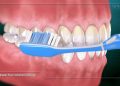
- Brush at least twice daily with a soft brush and non-abrasive cleaner.
- Soak overnight in a denture-cleaning solution to reduce bacterial colonization.
Avoiding Common Pitfalls
- Never use boiling water or harsh chemicals, which can warp or damage prosthetics.
- Avoid toothpaste with harsh abrasives on acrylic surfaces.
- Do not sleep with dentures unless instructed, as continuous wear increases infection risk.
Soft Tissue Care
- Brush gums, tongue, and palate daily to remove plaque and stimulate circulation.
- Use antimicrobial rinses to limit bacterial growth in areas in contact with the prosthetic.
Regular Inspection
- Check for chips, cracks, or loose components.
- Address minor issues promptly to prevent bacteria from colonizing damaged areas.
These strategies help reduce odor, prevent infections like stomatitis, and maintain long-term comfort.
5. What Is the Recommended Maintenance Schedule and Role of Professional Check-Ups?
Even with diligent home care, professional oversight is crucial for long-term prosthetic health.
Routine Check-Ups
- Every 6 months: Dentists examine prosthetics and surrounding tissues.
- Assess fit, bite alignment, and wear patterns.
- Detect early signs of infection, inflammation, or tissue damage.
Professional Cleaning
- Dentures and bridges may accumulate deposits that at-home cleaning cannot remove.
- Ultrasonic or specialized professional cleaning helps preserve surface integrity.
Adjustments and Repairs
- Relining or rebasing may be needed as gums and bone change over time.
- Loose clasps or worn components should be repaired promptly.
Patient Education
- Reinforcement of home hygiene techniques ensures compliance.
- Tailored advice for diet, smoking cessation, and alcohol moderation can prolong prosthetic lifespan.
Combining daily care with regular professional maintenance ensures prosthetics remain functional, aesthetically pleasing, and comfortable for years.
Conclusion: Why Proper Prosthetic Care Goes Beyond Brushing
Dental prosthetics are remarkable tools that restore function and confidence, but their longevity and hygiene depend on consistent care. Patients benefit from understanding:
- The differences between cleaning natural teeth and prosthetics
- Specialized tools and techniques for hygiene
- Strategies to prevent odor and bacterial buildup
- The importance of routine professional check-ups
By following these practices, prosthetic wearers can enjoy a healthy mouth, fresh breath, and reliable dental function—well beyond what brushing alone can achieve.







Discussion about this post