
























Raising children with strong, healthy teeth is not just about avoiding cavities—it’s about establishing habits that will protect their oral health well into adulthood. Children who learn proper brushing, flossing, and eating habits early on are far more likely to maintain strong teeth, healthy gums, and confident smiles throughout their lives. However, oral care for children requires a different approach compared to adults. From infant gum cleaning to fluoride safety and thumb-sucking concerns, parents need clear, evidence-based guidance at every stage.
This comprehensive article breaks down age-specific care tips, safety considerations, habit-breaking techniques, and guidance on early dental visits—all with the goal of helping families develop lifelong oral wellness routines.
1. Age-Specific Cleaning Tips: What Should Parents Do at Each Stage?
Children’s mouths change rapidly as they grow. Their oral hygiene plan must change with them.
Infants (0–12 months)
Even before teeth erupt, parents should:
- Wipe gums daily with a warm, damp washcloth or silicone finger brush.
- Avoid putting the baby to bed with a bottle to prevent “baby bottle decay.”
- Introduce water in a sippy cup around 6 months.
Toddlers (1–3 years)
Once the first tooth appears:
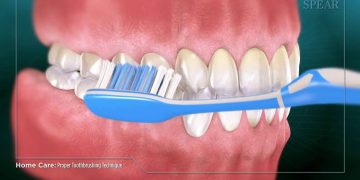
- Use a soft-bristled baby toothbrush.
- Brush twice daily with a smear of fluoride toothpaste (the size of a grain of rice).
- Let the child hold the brush for exploration, but parents should complete the cleaning.
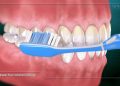
- Begin teaching brushing motions—small circles and gentle strokes.
Young Children (4–6 years)
Children gain independence but lack full dexterity.
- Use a pea-sized amount of fluoride toothpaste.
- Supervise brushing to prevent swallowing toothpaste.
- Introduce tongue cleaning to reduce bacteria.
- Begin brief discussions about sugar and tooth health.
Older Children (7–12 years)
At this stage, they can handle more responsibility:
- Use electric toothbrushes if suitable—they boost plaque removal.
- Introduce mouthwash with fluoride (if recommended by a dentist).
- Encourage a routine: brush → floss → rinse.
Kids typically need supervision with brushing until at least age 8 and with flossing until 10–12 years old.
2. Fluoride Safety for Kids: How Much Is Too Much?
Fluoride is essential for preventing cavities, but dosing matters.
Is fluoride safe for children?
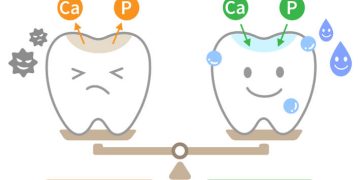
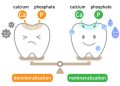
Yes—when used properly. Fluoride strengthens enamel, making it more resistant to acid attacks.
Recommended fluoride amounts by age:
- 0–3 years: A smear (grain-of-rice size)
- 3–6 years: Pea-sized amount
- 6+ years: Standard adult amount
Key safety measures:
- Children should spit out toothpaste rather than swallow it.
- Avoid fluoride mouth rinses before age 6 due to risk of ingestion.
- Fluoride varnish applied by dentists is highly effective for high-risk children.
Fluorosis risk occurs only with chronic overconsumption. Proper supervision prevents it easily.

3. Stopping Thumb-Sucking: When Does It Become a Problem?
Thumb-sucking and pacifier use are normal self-soothing behaviors—until they begin affecting tooth alignment.
When is it harmless?
- Most children stop naturally by ages 3–4.
- Occasional sucking is usually not a problem.
When does it become harmful?
- Persistent sucking past age 4–5 may cause:
- Open bite
- Overjet (“buck teeth”)
- Changes in palate shape
- Speech difficulties
How to help children stop:
- Offer positive reinforcement (reward charts or praise).
- Create gentle reminders—not shame or punishment.
- Identify emotional triggers (stress, boredom).
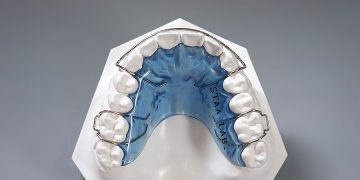
- Use orthopedic dental appliances only when behavioral methods fail (and under dentist guidance).
4. Introducing Flossing: When Should Kids Start?
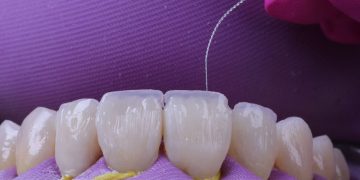
The rule is simple: Start flossing when two teeth touch.
Best tools for children:
- Y-shaped floss picks
- Soft, child-friendly waxed floss
- Water flossers for older kids with braces
Tips to build flossing habits:
- Make it part of the nighttime routine.
- Floss for younger children until they can do it alone (usually age 10–11).
- Use fun flavors or colors to increase interest.
- Demonstrate alongside them—kids mimic parents.
5. First Dental Visit Guidance: When and What to Expect?
When should the first visit happen?
The American Academy of Pediatric Dentistry recommends:
- First visit by age 1, or
- Within six months of the first tooth erupting.
Early visits serve as preventive care, not treatment.
What happens during the first visit?
- Assessment of gum and tooth development
- Screening for early childhood decay
- Education for parents on feeding, brushing, and fluoride
- Discussion of pacifier or thumb-sucking habits
How often should children visit the dentist?
- Every six months
- More frequently for children prone to cavities or with orthodontic concerns
Making dental visits child-friendly:
- Choose a pediatric dentist or a family-friendly clinic
- Avoid using scary words like “shot,” “hurt,” or “drill”
- Role-play at home with toy dental kits
- Allow comfort objects like stuffed animals during the visit
Consistent early visits normalize dental care and reduce fear as children grow.
Building Lifelong Oral Health: Putting It All Together
Healthy dental habits begin long before a child loses their first baby tooth. By building a strong foundation—proper brushing, safe fluoride use, early flossing, controlled habits like thumb-sucking, and routine dental visits—parents can drastically reduce their child’s risk of decay, misalignment, and gum disease.
Ultimately, the goal is independence: raising children who value their oral health and carry these positive habits into adulthood. With consistency, patience, and proper guidance, lifelong dental wellness is absolutely achievable.









Discussion about this post