






















We are conditioned to believe that a clean mouth is the sole result of diligent brushing, flossing, and mouthwash. While these mechanical and chemical methods are irreplaceable, they only tell part of the story. What if your diet could actively contribute to a cleaner, healthier oral environment between brushings? Nature provides a fascinating array of foods that function as natural dentifrices, stimulating cleansing, neutralizing acids, and fighting bacteria. This isn’t about replacing your oral care routine; it’s about enhancing it. By strategically incorporating these “edible toothbrushes” into your diet, you can extend the feeling of freshness, support your enamel, and give your smile a natural advantage. This article explores the science behind foods that clean, the ingredients that protect, and how to weave them into your daily life for a genuinely holistic approach to oral health.
1. Nature’s Dental Floss: The Mechanical Action of Fibrous Foods
Some of the most effective natural tooth cleansers work through simple mechanics. Firm, fibrous, and crunchy foods require significant chewing, which provides a natural scrubbing and flossing action on the tooth surfaces.
The “Detergent” Effect: The act of chewing abrasive, high-fiber foods stimulates a robust flow of saliva. More importantly, the physical texture of the food scrapes against the tooth surfaces, helping to dislodge food particles and plaque biofilm. Think of it as a gentle, natural polishing.
Top Cleansing Foods:
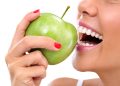
- Apples: Often called “nature’s toothbrush,” their crisp texture and high water content help scrub away debris. The mild acidity also stimulates saliva, though it’s best to rinse with water afterward.
- Carrots and Celery: These crunchy vegetables are excellent plaque disruptors. Celery, in particular, with its stringy, fibrous texture, can act like natural floss, cleaning between teeth and massaging the gums.
- Raw Broccoli and Cauliflower: Eating these raw requires thorough chewing, which provides a broad cleansing action across the chewing surfaces of the molars.
- Leafy Greens (like Spinach and Kale): While not crunchy, their leaves form a kind of film over the teeth that can temporarily protect against staining and are packed with minerals beneficial for enamel.
How to Use Them: The ideal time to consume these foods is at the end of a meal. If you can’t brush after lunch, eating an apple or a handful of carrot sticks can serve as an effective stand-in to clear away food residue and stimulate protective saliva flow.
2. The Internal Power Wash: Foods That Boost Saliva Production
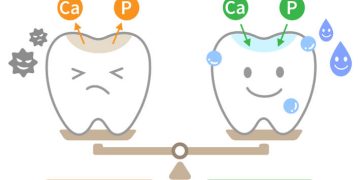
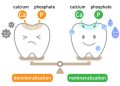
Saliva is the mouth’s ultimate defense and repair system. It neutralizes acids, washes away food, contains antibacterial compounds, and is supersaturated with calcium and phosphate to remineralize enamel. Any food that makes you chew vigorously will boost saliva, but some are particularly potent.
The Chewing Mechanism: Any food that requires significant mastication will trigger saliva production. This is why crunchy foods are doubly beneficial—they provide mechanical cleaning and stimulate the salivary glands.
Flavor-Based Stimulants: Certain flavors trigger a reflex salivary response, regardless of texture.
- Tart or Sour Foods: Lemons, limes, and other tart fruits cause an immediate, watery flow of saliva. Crucial Safety Note: The high acid content in citrus can erode enamel if consumed in excess or on its own. Always consume citrus as part of a meal and rinse with water afterward.
- Sugar-Free Gum: While not a food per se, chewing sugar-free gum, especially one sweetened with xylitol, is one of the most effective ways to dramatically increase saliva flow after a meal or drink. The act of chewing, combined with the flavor, can increase saliva production tenfold.
Hydration is Key: Simply drinking water throughout the day is one of the best ways to maintain a healthy saliva volume and consistency. A well-hydrated body produces saliva more effectively.

3. Nature’s Mouthwash: Antibacterial and Protective Ingredients
Beyond mechanical cleaning and saliva stimulation, certain foods contain active compounds that have inherent antibacterial properties or can otherwise protect the teeth.
Polyphenols: These are natural compounds found in many plants that can inhibit the growth of bacteria.
- Green and Black Tea: Contain polyphenols called catechins that can suppress the bacteria responsible for plaque formation and bad breath. They also often contain fluoride, which strengthens enamel.
- Cranberries: Research has shown that compounds in cranberries can prevent bacteria from sticking to the teeth. However, most commercial cranberry juices are loaded with sugar, so the benefit is best obtained from unsweetened cranberries or extracts.
- Onions and Garlic: Their powerful sulfur compounds have antibacterial properties. While they may temporarily affect your breath, they can help reduce bacterial load in the mouth. Eating raw parsley afterward can help neutralize the odor.
Other Protective Mechanisms:
- Cheese and Dairy: Cheese is a triple threat. It stimulates saliva, contains calcium and phosphate for remineralization, and can help raise the pH in the mouth, neutralizing acids.
- Shiitake Mushrooms: Contain a sugar called lentinan that inhibits the bacteria that form plaque.
- Cocoa and Dark Chocolate: Compounds in cocoa beans have been found to combat plaque and can be better for your teeth than sugary alternatives, provided you choose high-cocoa, low-sugar varieties.
4. From Concept to Kitchen: Simple and Tasty Recipe Ideas
Integrating these teeth-cleaning foods into your diet can be both delicious and simple. Here are a few ideas for meals and snacks that actively support oral health.
The Ultimate “Clean Smile” Salad:
- Base: Spinach or mixed greens (for minerals and a protective film).
- Crunch: Add finely chopped raw broccoli, cauliflower, and apple slices (for mechanical cleaning).
- Topping: Sprinkle with shredded cheese (for pH balancing and minerals).
- Dressing: A vinaigrette with a base of green tea instead of vinegar, flavored with a touch of garlic (for antibacterial benefits).
The After-Meal Freshener Plate:
- A few slices of apple and a small piece of aged cheddar cheese.
- A handful of raw carrot and celery sticks.
- A finishing sprig of fresh parsley (to freshen breath).
The Saliva-Boosting Smoothie:
- Base: Water or milk (for hydration and calcium).
- Fibrous Greens: A handful of spinach or kale.
- Tartness: A small wedge of lemon (with the rind, for flavor and saliva stimulation).
- Creaminess: Half a cup of plain yogurt (for probiotics and calcium). Avoid adding sugary fruits or honey for maximum oral benefit.
5. A Word of Caution: Important Safety and Moderation Notes
While these foods are beneficial, they are not magic bullets and must be consumed with awareness.
Acidic Foods are a Double-Edged Sword: Citrus fruits, tomatoes, and vinegar-based dressings are highly acidic and can erode enamel if consumed frequently or on their own. Never brush your teeth immediately after consuming acidic foods or drinks, as the enamel is softened and you can brush it away. Wait at least 30 minutes.
Staining is a Possibility: While green tea is beneficial, black tea, coffee, and dark berries can stain teeth over time. Enjoy them, but be sure to rinse with water afterward to minimize staining.
They Do Not Replace Hygiene: These foods are meant to be adjuncts to your oral care routine, not replacements. There is no substitute for the mechanical removal of plaque achieved by proper brushing and flossing.
Beware of Hidden Sugars: Dried fruits, while fibrous, are concentrated sources of sugar and are sticky, making them highly cariogenic (cavity-causing). Similarly, sweetened versions of tea, yogurt, or cranberry products will do more harm than good.
The path to a cleaner, healthier smile is not found in a single solution but in a layered approach. By mindfully incorporating nature’s own cleaning agents—the fibrous scrubs, the saliva stimulants, and the antibacterial warriors—you can create an oral environment that is more resilient and easier to maintain. Your diet is not just fuel for your body; it’s a continuous opportunity to support your smile from the inside out. So the next time you plan a meal or reach for a snack, remember that you’re not just feeding your body—you’re also feeding your smile.








Discussion about this post