

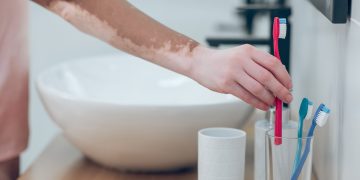













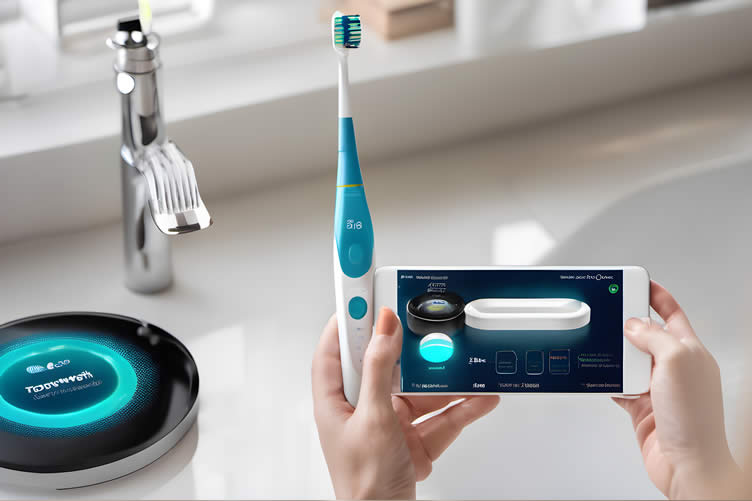
For centuries, the humble toothbrush has been a simple, manual tool—a handle with bristles, reliant entirely on the user’s technique, diligence, and motivation. The results, as dentists will attest, have been wildly inconsistent. But in the last decade, this everyday object has undergone a radical transformation, evolving into a sophisticated data-collecting health device. The rise of the smart toothbrush marks a fundamental shift from passive tool to active coach, leveraging artificial intelligence, advanced sensors, and gamified apps to guide users toward genuinely better oral health. This isn’t just an incremental upgrade; it’s a reimagining of what it means to “brush your teeth.” This article delves into the technology powering this revolution, exploring how real-time feedback and data tracking are creating a new standard for daily care, the unique benefits for children, and the important limitations that prevent it from being a true magic bullet.
1. The AI Coach in Your Hand: How Real-Time Feedback Actually Works
The core of a smart toothbrush’s intelligence lies in its ability to monitor your brushing habits and provide actionable feedback. This is achieved through a suite of integrated sensors and sophisticated software.
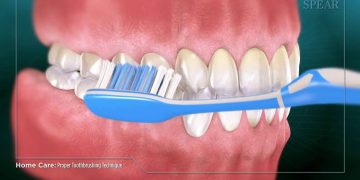
Motion and Position Tracking: Using a combination of accelerometers, gyroscopes, and magnetometers—the same technology found in your smartphone—the brush can track its own movement in three-dimensional space. It can detect the orientation of the brush head and the type of stroke you are using (e.g., back-and-forth, circular, or up-and-down). The AI algorithms are trained on vast datasets of correct brushing techniques, allowing them to compare your movements to the ideal.
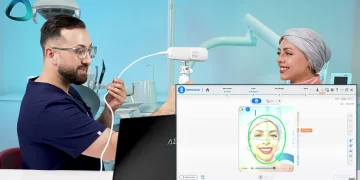
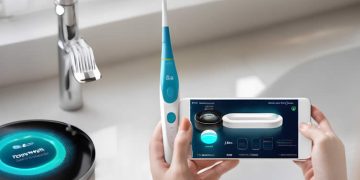
The “Dental Map” and Quadrant Tracking: Through the accompanying smartphone app, you see a digital model of your mouth, typically divided into four or six quadrants. As you brush, the AI uses its positional data to identify which specific tooth or group of teeth you are cleaning. The app visually confirms this, often by changing the color of the cleaned area on the map in real-time. This ensures you are systematically covering all surfaces—the outer, inner, and chewing surfaces—rather than haphazardly focusing on one area.
Correcting Technique in Real-Time: The most advanced brushes go beyond mere tracking. If you are using a scrubbing motion instead of the recommended gentle circular or sweeping motion, the brush may gently pulse or the app may display a warning. This direct, immediate correction is the key to breaking long-ingrained bad habits and adopting a more effective and less abrasive technique.
2. The Guardian of Your Gums: The Critical Role of Pressure Sensors
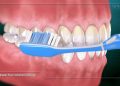
One of the most common and damaging mistakes people make is brushing too hard. Over-aggressive brushing, or “toothbrush abrasion,” can lead to gum recession, enamel wear, and tooth sensitivity. Smart toothbrushes address this with a crucial feature: pressure sensors.
How Pressure Sensing Works: Embedded sensors in the brush handle or neck detect the amount of force being applied to the teeth and gums. This is a more nuanced measurement than simple pressure; it understands the difference between the firm contact needed for effective plaque removal and the excessive force that causes damage.
Immediate Intervention: When you press too hard, the brush provides an instant, unmistakable signal. This can take several forms:
- A Haptic Vibration: The brush handle will vibrate differently or more intensely, signaling you to ease up.
- Visual Warning: The app screen may flash red or display a “too much pressure” alert.
- Automatic Power Reduction: Some high-end models will even automatically reduce the brushing power to prevent damage until the excessive pressure is relieved.
This real-time feedback is invaluable for training users to apply the gentle, massaging pressure that is ideal for gum health and effective cleaning without the collateral damage.
3. The Big Picture: How App Tracking and Gamification Drive Consistency
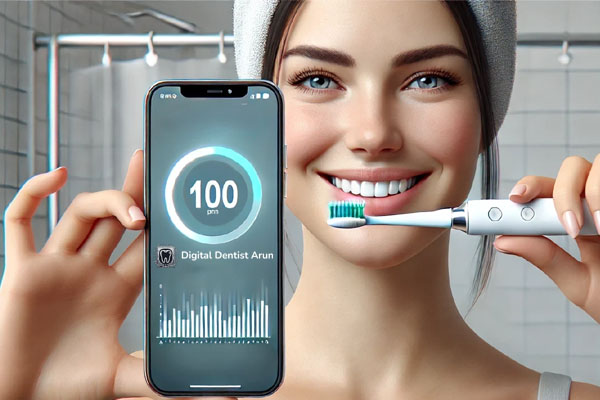
The smart toothbrush itself is only half of the system. Its true power is unlocked through the smartphone app, which serves as a dashboard for your oral health, leveraging data and psychology to promote long-term consistency.
Data-Driven Insights: The app doesn’t just show a pretty map. It collects and analyzes data from every brushing session, compiling it into detailed reports. You can see your brushing duration, coverage consistency, pressure patterns, and even the frequency of your sessions over weeks and months. This transforms an abstract habit into a measurable, optimizable activity.
Gamification and Positive Reinforcement: To combat the boredom that can derail good habits, apps use gamification. You earn points, badges, or unlock achievements for completing full two-minute sessions, achieving perfect coverage, or maintaining a streak of consecutive days without missing a brush. For children, this is often extended into full-blown interactive games where brushing a virtual monster’s teeth or defending a kingdom from “cavity bugs” is the reward.
Personalized Coaching and Goals: Over time, the app learns your tendencies. If it notices you consistently miss the inner surfaces of your lower front teeth, it will specifically remind you to pay extra attention to that area. It can set personalized weekly goals, moving you from basic consistency to mastered technique, creating a tailored coaching experience that a manual brush could never provide.
4. The Parent’s New Best Friend: Transforming Kids’ Oral Care
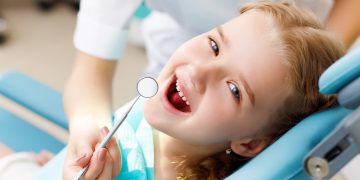
Perhaps the most dramatic impact of smart toothbrushes is in pediatric dentistry. Getting children to brush properly and for long enough is a universal parenting challenge, and smart brushes are uniquely equipped to solve it.
Making Brushing Fun, Not a Chore: The combination of interactive apps, immediate visual feedback, and rewarding gamification turns a dreaded task into an engaging activity. Children are motivated by the instant gratification of seeing the dental map fill up with color and earning in-app rewards.
Teaching Lifelong Habits: A child using a smart brush isn’t just cleaning their teeth; they are internalizing the correct technique from the start. They learn what proper pressure feels like (through the haptic feedback) and understand the importance of systematic coverage. This early education lays the foundation for a lifetime of effective oral hygiene, potentially preventing decades of poor habits.
Empowering Parental Oversight: For parents, the app provides peace of mind and removes the guesswork. Instead of asking “Did you brush your teeth?” and getting a dubious “yes,” they can check the app to see a verified record of the duration, coverage, and quality of the brushing session. This objective data makes supervision more effective and less confrontational.
5. The Reality Check: Understanding the Limitations of Smart Brushes
Despite their advanced capabilities, smart toothbrushes are not a panacea. It’s crucial to understand their limitations to have realistic expectations.
The Flossing Paradox: A smart toothbrush, no matter how intelligent, only cleans the accessible surfaces of the teeth. It cannot clean between teeth where a toothbrush cannot reach. The most common cause of cavities in adults is interdental decay. A smart brush can give you a false sense of security if it leads you to neglect flossing, water flossing, or interdental brushes.
Cost and Accessibility Barrier: High-quality smart toothbrushes, especially those with AI capabilities, are a significant investment, often costing well over $100, with replacement brush heads also being more expensive than their manual counterparts. This creates a socioeconomic barrier, potentially widening oral health disparities.
The “Novelty Effect” and Long-Term Engagement: There is a risk that the gamification and app features will lose their appeal over time, especially for adults. Once the novelty wears off, users may revert to their old, automatic habits, ignoring the feedback and letting the brush become just an expensive ordinary electric toothbrush.
Data Privacy Concerns: These devices collect a surprising amount of personal health data. Users should be aware of how this data is stored, used, and potentially shared with third parties by the manufacturing company.
The rise of the smart toothbrush represents a pivotal moment in preventive healthcare. It demystifies the process of oral hygiene, providing the guidance and motivation that have been missing for generations. While it cannot replace flossing or professional care, it serves as a powerful, daily coach that can dramatically improve the effectiveness of our most fundamental health habit. By providing objective feedback and making the invisible visible, the smart toothbrush isn’t just cleaning teeth smarter; it’s teaching us to be smarter about how we care for our smiles.







Discussion about this post