

























Daily tooth brushing is one of the most fundamental practices for maintaining oral health, yet many people unknowingly harm their gums through improper technique. Gum tissue is delicate and highly vascular, and repeated trauma from incorrect brushing can lead to bleeding, recession, sensitivity, and even long-term periodontal problems. While most people focus on removing plaque and keeping teeth clean, understanding how to brush correctly is equally essential to protect the gums.
This article explores the most common brushing mistakes, how they affect gum tissue, selecting the right toothbrush, techniques to minimize trauma, and when professional intervention is necessary.
1. How Does Brushing Too Hard Affect Gum Tissue?
Many people believe that brushing harder removes more plaque, but this is a common misconception. Excessive pressure can cause significant damage to the gums.
Physical Trauma
- Vigorous scrubbing can wear down the gingival margin, causing the gum tissue to recede.
- Micro-tears in the soft tissue create entry points for bacteria, leading to inflammation and infection.
Gum Recession
- Chronic over-brushing gradually exposes the tooth root.
- Exposed roots are more sensitive to temperature changes, acidic foods, and mechanical forces.
Enamel Wear
- Brushing too hard not only harms the gums but also erodes the cervical enamel near the gum line.
- This can exacerbate sensitivity and make teeth more prone to cavities.
Long-Term Consequences
- Gum recession can lead to periodontal pockets, making it easier for plaque and tartar to accumulate.
- In severe cases, gum damage may require surgical intervention to restore healthy tissue.
Understanding that gentle, controlled brushing is more effective than aggressive scrubbing is the first step in protecting gum health.
2. How Do Wrong Angling and Motion Errors Contribute to Gum Damage?
Even with moderate pressure, incorrect brushing angles and motions can harm gums.
Incorrect Angles
- Brushing perpendicular to the tooth surface concentrates force on the gum line, causing trauma.
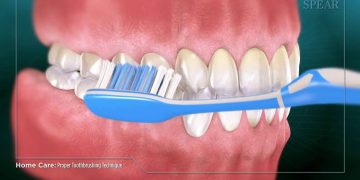
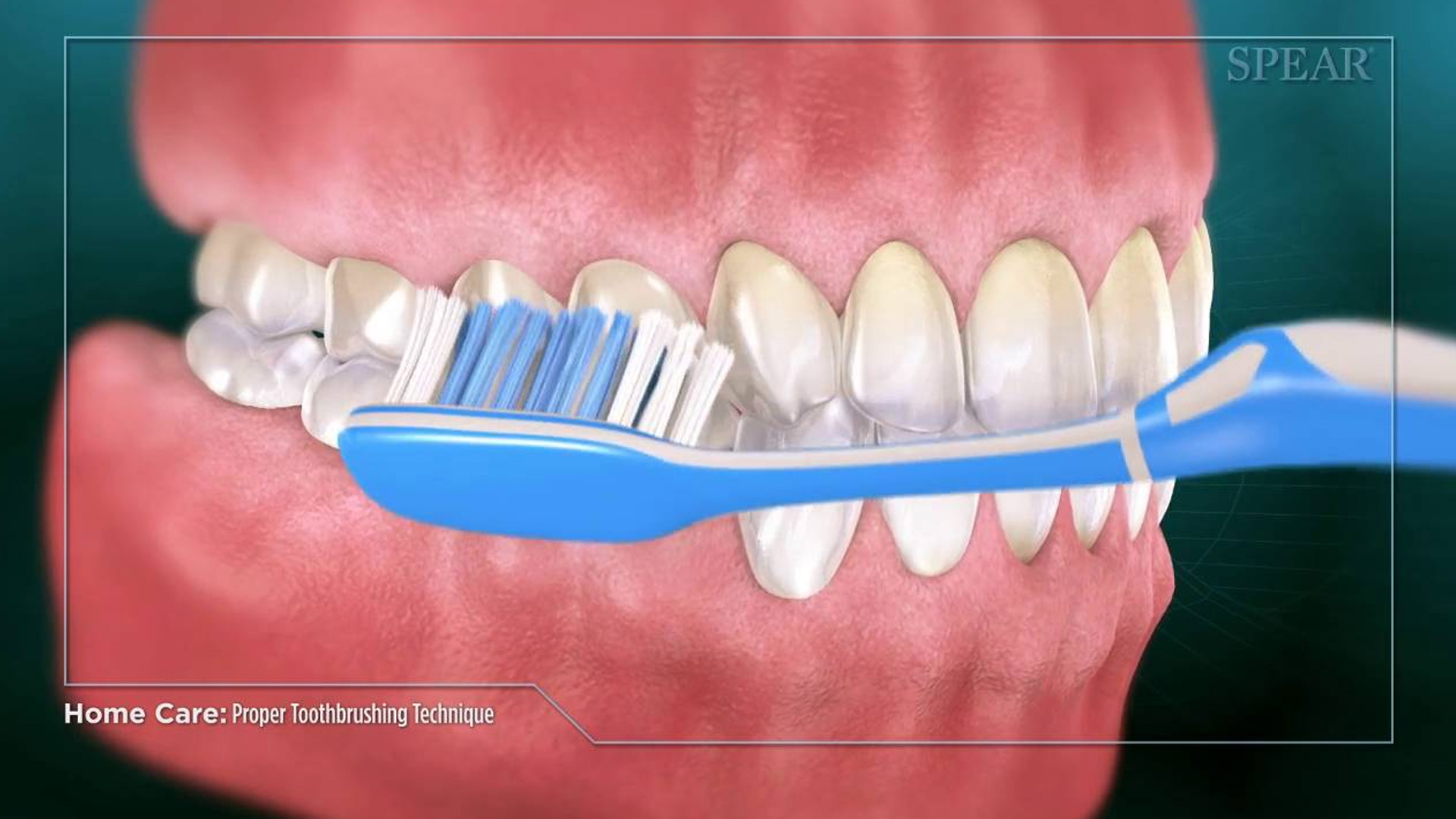
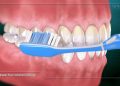
- Proper angle: approximately 45 degrees to the gum line, allowing bristles to sweep plaque away without gouging tissue.
Motion Mistakes
- Horizontal scrubbing: Back-and-forth motion can abrade both teeth and gums.
- Excessive circular scrubbing: While circular motion is often recommended, uncontrolled or overly vigorous circles can irritate the gingiva.
- Vertical strokes only: Failing to reach the gum margin can leave plaque behind, contributing to gingivitis.
Missing the Gum Margin
- Plaque accumulates most heavily along the gingival sulcus (the small pocket between teeth and gums).
- Improper technique leaves this area uncleaned while simultaneously stressing the soft tissue.
Correct angling and gentle, methodical strokes ensure both plaque removal and gum preservation.
3. How Do You Choose the Right Toothbrush for Gum Protection?
Selecting a toothbrush suited for sensitive gums is a crucial step often overlooked.
Bristle Type
- Soft-bristled brushes are recommended for nearly all adults.
- Medium or hard bristles increase the risk of abrasion and recession.
Bristle Shape
- Rounded bristle tips are gentler on soft tissue.
- Flat or angled bristles may concentrate force if used incorrectly.
Brush Size
- A smaller brush head allows better access to posterior teeth and along the gum line.
- Larger brushes can be difficult to control and may inadvertently apply too much pressure.
Electric vs. Manual
- Electric toothbrushes with pressure sensors can reduce the risk of over-brushing.
- Oscillating or sonic brushes provide efficient plaque removal with controlled force.
- Manual brushes are effective if used properly but require more attention to pressure and technique.
Choosing a toothbrush is not just about cleaning efficiency—it’s a preventive tool against gum trauma.
4. What Techniques Minimize Gum Trauma During Brushing?
Implementing proper brushing techniques is essential for long-term gum health.
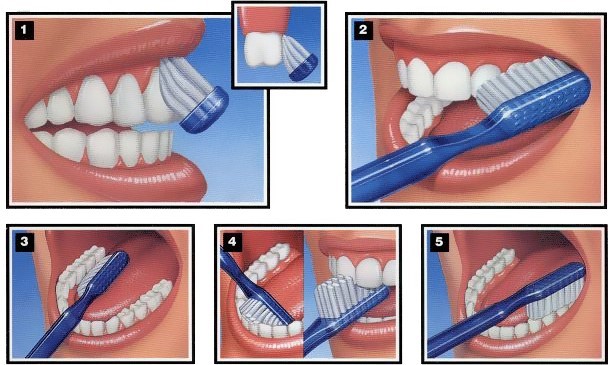
Step-by-Step Safe Brushing
- Position brush at 45 degrees to the gum line.
- Use gentle, short strokes, moving from the gum line toward the tooth edge.
- Clean all surfaces: outer, inner, and chewing surfaces of teeth.
- Don’t forget the back teeth and hard-to-reach areas.
- Brush for 2–3 minutes—enough to remove plaque without overexerting tissue.
Pressure Control
- Use just enough force to feel the bristles against the gum line.
- Consider a pressure-sensitive electric brush to prevent over-brushing.
Complementary Techniques
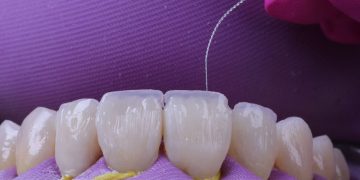
- Floss daily: Removes plaque between teeth without stressing gums.
- Interdental brushes or soft picks: Reach tight spaces while being gentle.
- Mouth rinses with antimicrobial agents: Help reduce bacterial load along the gum line.
Consistent, gentle brushing combined with interdental care maximizes plaque removal while protecting delicate gum tissue.
5. When Should Persistent Bleeding or Recession Trigger Professional Care?
Occasional minor bleeding may occur, but persistent bleeding or progressive gum recession is a warning sign.
Signs Requiring Attention
- Bleeding gums during brushing or flossing for more than a few days.
- Gum recession exposing tooth roots.
- Red, swollen, or tender gums.
- Persistent bad breath or pus between teeth and gums.
Professional Interventions
- Scaling and root planing: Removes plaque and tartar below the gum line.
- Gum grafting: Rebuilds tissue lost from recession.
- Customized oral hygiene instruction: Ensures correct brushing and flossing techniques.
- Evaluation for systemic causes: Conditions like diabetes can exacerbate gum disease.
Early intervention prevents progression to periodontitis, a serious condition that can ultimately result in tooth loss.
Regular Dental Check-Ups
- Every 6 months (or more frequently if recommended) allows the dentist to monitor gum health, address early signs of trauma, and reinforce proper hygiene practices.
Conclusion: Why Correct Brushing Techniques Matter
Brushing is more than a routine task—it’s a skill that protects teeth and gums simultaneously. Patients often unknowingly damage their gums through:
- Excessive pressure
- Incorrect brushing angles and motions
- Using inappropriate toothbrushes
By adopting gentle, controlled techniques, choosing soft-bristled brushes, and seeking professional guidance when needed, individuals can prevent gum recession, bleeding, and long-term periodontal issues. Awareness and correct practice are key to preserving both oral health and the aesthetic integrity of a natural smile.








Discussion about this post