
















Modern dentistry is increasingly defined by precision, efficiency, and patient comfort. Among the most transformative advancements in recent decades is CAD/CAM dentistry, which stands for Computer-Aided Design and Computer-Aided Manufacturing. This technology allows dentists to design and fabricate restorations—such as crowns, bridges, inlays, and veneers—entirely digitally. From a patient’s perspective, CAD/CAM dentistry reduces wait times, enhances accuracy, and improves the overall dental experience.
But how does CAD/CAM work, and why is it considered a game-changer? This article explores the concept, its practical applications, advantages, and factors patients should consider.
1. What Does CAD/CAM Actually Mean in Dentistry?
CAD/CAM combines digital design software (CAD) with automated manufacturing tools (CAM) to create precise dental restorations.
Computer-Aided Design (CAD)
The design phase involves:
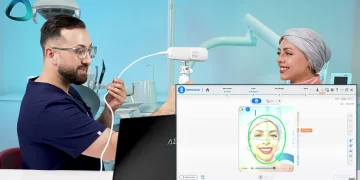
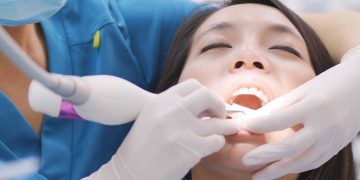
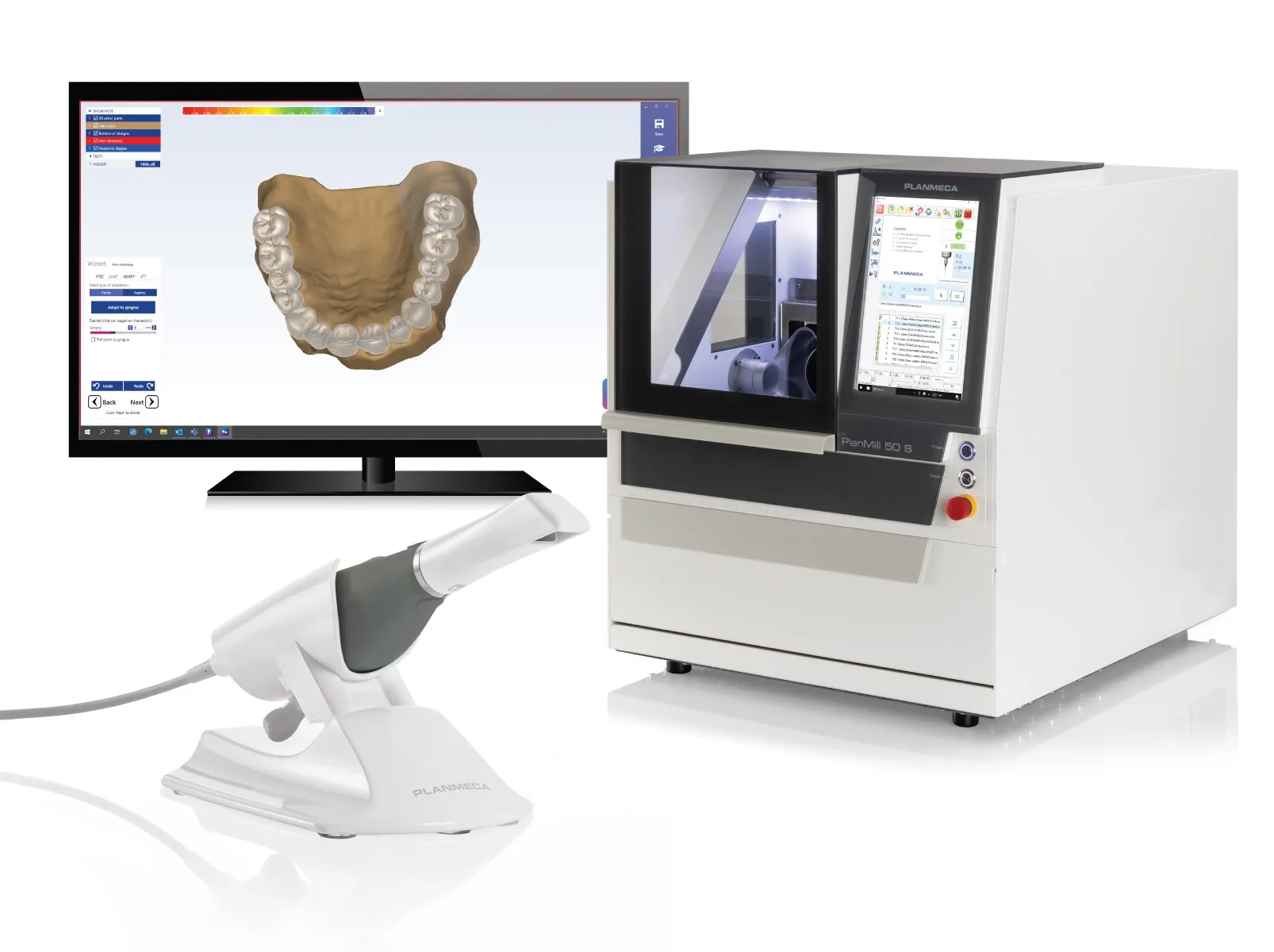
- Scanning a patient’s mouth using a digital intraoral scanner
- Capturing the exact shape, bite, and alignment of teeth
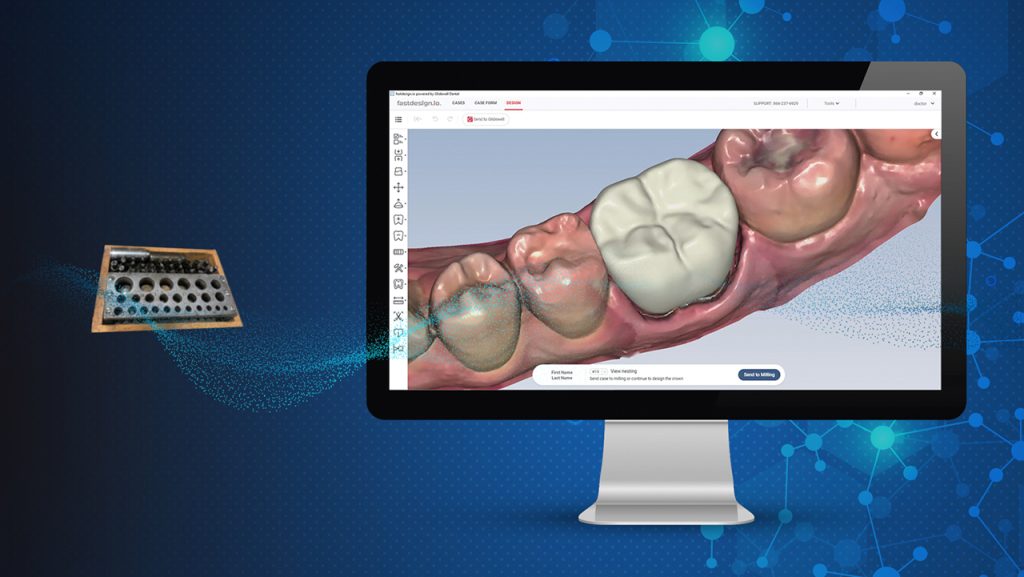
- Using specialized software to design a restoration tailored to the patient’s tooth anatomy
Dentists can adjust the design in real time, modifying tooth shape, height, contact points, and occlusion.
Computer-Aided Manufacturing (CAM)
Once the design is finalized, CAM comes into play:
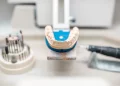
- A milling machine or 3D printer fabricates the restoration from ceramic, composite, or zirconia blocks
- Precision milling ensures an exact fit, often within microns of accuracy
- The result is a restoration that matches both the functional and aesthetic needs of the patient
Integration and Workflow
CAD/CAM integrates scanning, design, and fabrication in a single workflow, eliminating many manual steps and human errors present in traditional lab procedures.
2. How Do Same-Day Crowns Work With CAD/CAM Technology?
One of the most compelling benefits of CAD/CAM dentistry is same-day restorations. Traditional crowns often require:
- Two or more dental visits
- Temporary crowns
- Laboratory fabrication taking days to weeks
With CAD/CAM:
- The dentist scans the prepared tooth digitally
- Designs the crown using CAD software
- Fabricates the restoration in-office using a milling machine
Patient Benefits
- No temporary crowns
- Fewer appointments
- Immediate functional and aesthetic restoration
- Reduced risk of infection or discomfort from temporary solutions
Same-day crowns are especially convenient for busy patients or those traveling long distances for dental care.
3. Why Is Precision a Major Advantage of CAD/CAM Dentistry?
Precision is arguably the cornerstone of CAD/CAM dentistry.
Micron-Level Accuracy
- Digital scans capture details smaller than a human hair
- Millers fabricate restorations with near-perfect fit
- Reduces gaps that can lead to decay or discomfort
Customized Occlusion
- Bite adjustments are planned digitally
- Software predicts how the restoration will interact with neighboring teeth
- Minimizes post-placement adjustments
Consistency Across Procedures
- Digital design allows repeatable quality
- Less reliance on manual impressions or technician variability
Fewer Errors
- Reduced risk of human mistakes such as misaligned impressions, distorted molds, or improper cementation
In short, CAD/CAM technology produces restorations that are not only aesthetically pleasing but also functionally superior and long-lasting.
4. What Materials Are Compatible With CAD/CAM Dentistry?
CAD/CAM technology is versatile, working with a variety of dental materials.
Ceramics
- Most common for crowns, veneers, and bridges
- High aesthetic quality and translucency
- Strong and biocompatible
Zirconia
- Extremely durable for posterior crowns or implant restorations
- Resistant to fractures and wear
- Can be layered with porcelain for natural appearance
Composite Resins
- Ideal for inlays, onlays, and smaller restorations
- Easier to mill and polish
- Lower cost than ceramics
Hybrid Materials
- Combines ceramic and composite properties
- Flexible, durable, and less brittle
- Used in same-day restorations or temporary prosthetics
Dentists select materials based on location in the mouth, bite force, aesthetics, and patient preferences.
5. What Are the Cost Considerations of CAD/CAM Dentistry?
While CAD/CAM offers many benefits, cost is an important factor.
Equipment and Technology Investment
- Dental offices invest in expensive scanners, software, and milling machines
- Costs may be reflected in treatment pricing
Material Costs
- High-quality ceramics and zirconia blocks are more expensive than traditional lab materials
- However, the accuracy and longevity often justify the cost
Reduced Chair Time
- Faster treatment can reduce overall office visits
- Patients may save time and travel costs
Insurance Coverage
- Many dental plans cover CAD/CAM restorations similarly to traditional restorations
- Some plans may have additional coverage limits for high-end materials
Long-Term Savings
- Durable, precise restorations reduce the likelihood of repeat procedures
- Fewer adjustments, replacements, or complications mean lower costs over time
Conclusion: Why CAD/CAM Dentistry Is Transforming Patient Care
CAD/CAM dentistry combines technology, efficiency, and precision to deliver better outcomes for both dentists and patients. By digitizing design and manufacturing:
- Patients benefit from same-day restorations
- The accuracy and fit of crowns, bridges, and veneers improve
- Healing is faster, fewer adjustments are needed, and aesthetic results are optimized
While initial costs may be higher, the long-term advantages—durability, efficiency, and comfort—make CAD/CAM a worthwhile investment for modern dental care. Patients now have access to a seamless, high-quality experience that was once only possible in high-end specialty clinics.








Discussion about this post