























Gum disease, or periodontal disease, is a silent epidemic. It begins subtly, often with nothing more than a bit of pink in the sink, and can progress for years without causing significant pain. This quiet progression is what makes it so dangerous—by the time a problem is obvious, the damage may already be substantial. Understanding the stages of this disease is not just dental knowledge; it’s crucial health literacy. It empowers you to recognize the warning signs at a point when intervention is most effective and least invasive, potentially saving your teeth and protecting your overall health.
Gum disease is a chronic inflammatory condition triggered by bacterial plaque, but its trajectory is heavily influenced by your body’s immune response, genetics, and lifestyle. This article will serve as a clear roadmap through the distinct stages of gum disease: from the reversible inflammation of gingivitis, through the early bone loss of periodontitis, to the destructive advanced stage. We will also identify the key risk factors that accelerate this journey and provide a comprehensive overview of the treatments available at each phase, giving you the knowledge to know precisely when to worry and what to do about it.
Stage 1: Gingivitis – The Reversible Warning Shot
Gingivitis is the first and only completely reversible stage of gum disease. It is an inflammation of the gingiva (the gum tissue) solely in response to the plaque biofilm that accumulates on teeth.
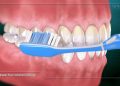
What Happens: When plaque is not adequately removed by brushing and flossing, the toxins produced by the bacteria irritate the gum tissue. The body sends extra blood flow to the area, bringing immune cells to fight the infection. This inflammatory response causes the classic signs:
- Redness and Swelling: Healthy gums are pale pink and firm. Gingivitis causes them to become dark red, swollen, and puffy.
- Bleeding: The inflamed gum tissue becomes fragile and will bleed easily, most commonly during brushing or flossing. This is the body’s most obvious signal that something is wrong.
- Bad Breath (Halitosis): The bacteria and decomposing food particles produce volatile sulfur compounds, leading to persistent bad breath.
When to Worry: You should be concerned enough to take immediate action. The presence of bleeding gums is not normal and is a direct cry for help from your body.
The Silver Lining: At this stage, no permanent damage has occurred. The inflammation is confined to the soft gum tissue, and the bone that holds the teeth in place is still intact. Gingivitis can be completely reversed with a thorough professional cleaning and the subsequent establishment of impeccable oral hygiene at home.
Stage 2: Early Periodontitis – The Point of No Return
If gingivitis is left untreated, the inflammation can extend from the gums into the underlying bone and ligament, marking the transition to periodontitis. This is the point where the disease becomes chronic and manageable, but no longer fully reversible.
What Happens: The persistent bacterial infection triggers the body’s immune system to go into overdrive. In an attempt to wall off the infection, the body actually begins to break down the bone and periodontal ligament that support the teeth. This creates a space between the tooth and gum called a periodontal pocket. These pockets are impossible to clean with a regular toothbrush or floss.
- Pocket Formation: Dentists measure these pockets with a periodontal probe. A depth of 4-5mm indicates early periodontitis.
- Early Bone Loss: This is visible on dental X-rays as a slight dark shadow or “divot” along the root of the tooth where bone has been lost.
- Gum Recession: The gums may begin to recede, making teeth look longer.
- Persistent Symptoms: Bleeding, bad breath, and redness continue, and there may be a vague feeling of tenderness.
When to Worry: This is a critical juncture. Professional intervention is absolutely necessary to halt the disease. The bone loss that has occurred is permanent, but the progression can be stopped.
Stage 3: Advanced Periodontitis – The Destructive Phase
In this final and most severe stage, the chronic infection leads to significant destruction of the supporting structures of the teeth.
What Happens: The periodontal pockets deepen (6mm or more), harboring even more aggressive bacteria. The progressive bone loss leads to:
- Tooth Mobility: As the bone disappears, teeth become loose and may shift in position.
- Gum Abscesses: Pus may develop in the pockets, causing swelling and pain.
- Significant Recession: Teeth appear very long, and root surfaces are widely exposed, leading to severe sensitivity.
- Functional Problems: Chewing can become painful or difficult.
When to Worry: This is a dental emergency. The risk of tooth loss is very high. The extensive inflammation is also a significant burden on your systemic health, with strong links to an increased risk of cardiovascular disease, poorly controlled diabetes, and other inflammatory conditions.
The Accelerators: Key Risk Factors for Gum Disease
While bacterial plaque is the primary cause, certain factors dramatically increase your susceptibility and the speed of progression:
- Smoking and Tobacco Use: The single most significant risk factor. It impairs blood flow and immune response, masking bleeding while allowing the disease to rage underneath.
- Genetics: Some people are genetically predisposed to a more aggressive immune response to plaque bacteria.
- Diabetes: Poorly controlled diabetes compromises the body’s ability to fight infections, including gum disease.
- Stress: Chronic stress weakens the immune system, making it harder for your body to combat periodontal infection.
- Medications: Certain drugs, like some for blood pressure or seizures, can cause gum overgrowth, which makes cleaning more difficult.
- Hormonal Changes: Puberty, pregnancy, and menopause can make gums more sensitive and susceptible to gingivitis.
The Road to Recovery: A Treatment Overview
Treatment is staged and becomes more complex as the disease progresses.
- For Gingivitis: Professional Prophylaxis (Dental Cleaning). This removes all plaque and tartar. Coupled with excellent daily home care, this is 100% effective in reversing the condition.
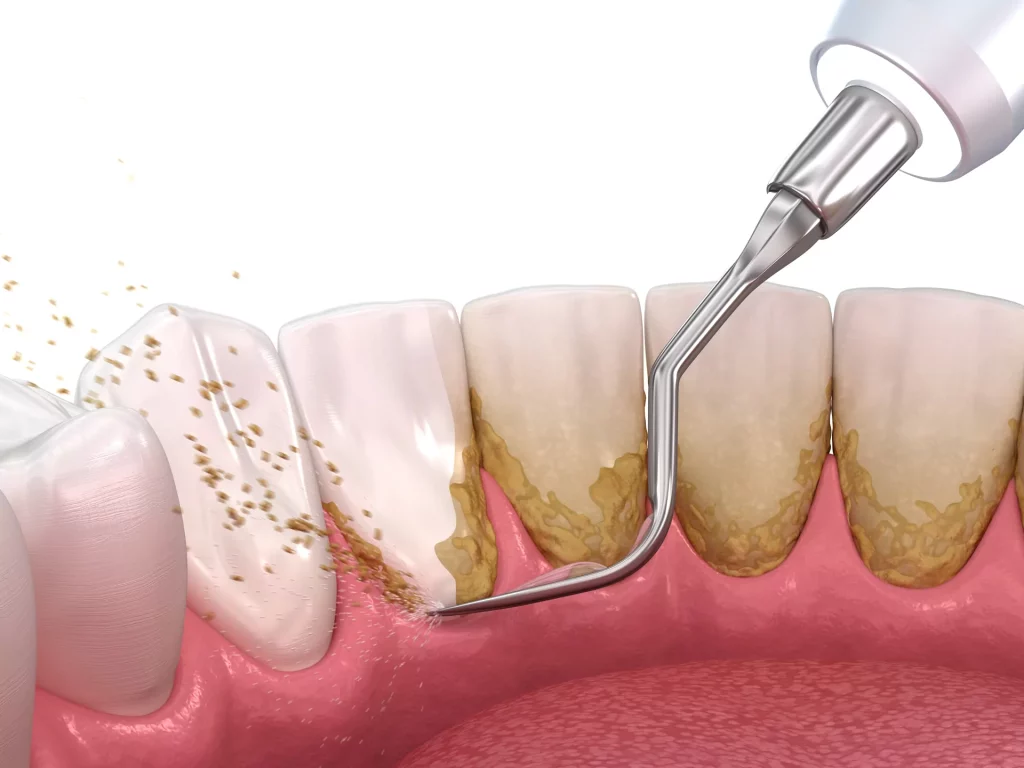
- For Early Periodontitis: Scaling and Root Planing (SRP). Often called a “deep cleaning,” this is the cornerstone of periodontal therapy. It is performed under local anesthesia. The hygienist or dentist meticulously cleans the root surfaces deep within the periodontal pockets to remove bacterial toxins and smooth the root to discourage future plaque attachment. This allows the gums to reattach to the clean root surface.
- For Advanced Periodontitis: A multi-pronged approach is needed.
- SRP and Adjunctive Therapies: This may include localized antibiotic gels (like Arestin) placed in deep pockets or laser therapy (LANAP) to disinfect the area.
- Periodontal Surgery: If deep pockets persist, a periodontist may perform flap surgery to access and clean the roots directly or perform bone and tissue grafts to regenerate some of the lost support.
- Long-Term Maintenance: After active treatment, patients enter a Periodontal Maintenance Program, involving cleanings every 3-4 months to closely monitor and prevent recurrence.
Conclusion: Vigilance is Victory
Gum disease is a journey with clear signposts. Bleeding gums are the first and most important warning sign that should never be ignored. Understanding the stages—from the reversible opportunity of gingivitis to the managed chronicity of periodontitis—empowers you to take action at the most effective time. The goal is to catch the disease early, when treatment is simplest and most successful. By partnering with your dental team, managing your risk factors, and maintaining meticulous oral hygiene, you can halt the progression of gum disease, preserve your natural smile, and protect your overall health for a lifetime.









Discussion about this post