



















Aging is a natural and beautiful part of life, but it introduces a unique set of challenges and changes to our oral health. The assumption that tooth loss and dentures are an inevitable consequence of getting older is a dangerous and outdated myth. With informed, proactive care, seniors can absolutely maintain their natural teeth for a lifetime. However, this requires shifting from a standard oral hygiene routine to one that is specifically tailored to address the physiological shifts of an aging mouth. Understanding these changes is not about fighting age, but about adapting to it intelligently to preserve function, comfort, and a confident smile.
The senior mouth is a different landscape than that of a younger adult. It is often drier, the gums have receded, and the teeth themselves have endured a lifetime of wear and tear. This new reality demands a new strategy. This article will serve as a comprehensive guide, exploring the pervasive issue of dry mouth, the risks associated with receding gums, the critical hygiene required for dentures, the growing threat of root cavities, and the essential daily care adjustments that empower seniors to take control of their oral health.
1. The Pervasive Problem: Combating Dry Mouth in Older Adults
Dry mouth, or xerostomia, is one of the most common and under-addressed issues in senior oral health. It is not a normal part of aging but is most frequently a side effect of the medications used to manage chronic conditions like high blood pressure, depression, and pain.
Why It’s So Damaging:
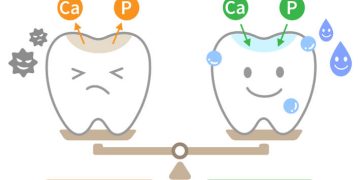
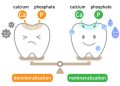
Saliva is the mouth’s first line of defense. It washes away food particles, neutralizes acids produced by bacteria, and contains calcium and phosphate to remineralize enamel. Without adequate saliva, the mouth becomes highly vulnerable. The risk of rampant tooth decay, fungal infections (like thrush), mouth sores, and difficulty with swallowing and speaking increases dramatically.
Management Strategies:
- Hydration: Sip water throughout the day. Keep a water bottle handy at all times.
- Saliva Stimulants: Chew sugar-free gum or suck on sugar-free lozenges, particularly those containing xylitol, which also helps fight cavity-causing bacteria.
- Humidifier: Use a humidifier in the bedroom at night to counteract dry air.
- Saliva Substitutes: Use over-the-counter oral moisturizers, sprays, or gels (e.g., Biotène, Xerostom) that are designed to mimic the properties of saliva.
- Professional Consultation: Discuss medication side effects with a doctor. They may be able to adjust the dosage or switch to a medication with less drying effects.
2. The Receding Defense: Understanding and Managing Gum Recession
Gum recession is a gradual process where the margin of the gum tissue surrounding the teeth wears away or pulls back, exposing more of the tooth or its root.
Causes and Consequences:
This can be caused by a lifetime of aggressive brushing, periodontal disease, genetic predisposition, or bruxism (teeth grinding). The newly exposed root surface is covered in a much softer material called cementum, which is easily eroded by acid and brushed away. This leads to:
- Root Sensitivity: Pain or discomfort from hot, cold, sweet, or sour foods and drinks.
- Root Cavities (Caries): Exposed roots are highly susceptible to decay.
- Aesthetic Concerns: Teeth may appear longer.
Care and Prevention:
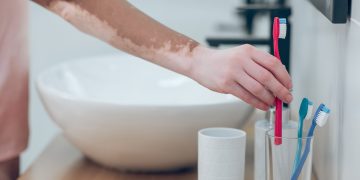
- Ultra-Soft Brush: Switch to an ultra-soft bristled toothbrush.
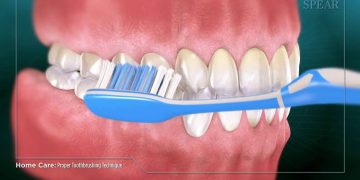
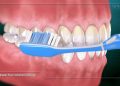
- Gentle Technique: Use a gentle, circular massaging motion at the gumline, avoiding any scrubbing.
- Desensitizing Toothpaste: Use a toothpaste formulated for sensitive teeth, containing ingredients like potassium nitrate or stannous fluoride, which can help block the tubules in the dentin that cause pain.
- Professional Monitoring: Regular dental check-ups are essential to monitor the progression of recession and treat it if necessary with gum grafts.

3. The Prosthetic Protocol: Essential Denture Hygiene
Whether partial or full, dentures require a level of care as meticulous as natural teeth. Poor denture hygiene can lead to serious health issues.
The Risks of Neglect:
Food and plaque can build up on dentures, leading to:
- Denture Stomatitis: A painful inflammation and redness of the tissue underneath the denture, often caused by a fungal infection.
- Bacterial Pneumonia: Aspirating (breathing in) bacteria from dirty dentures is a real risk for seniors, potentially leading to aspiration pneumonia.
The Daily Denture Care Routine:
- Rinse after Eating: Always rinse dentures after meals to remove loose food debris.
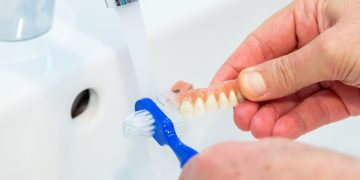
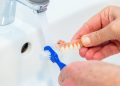
- Clean Daily: Brush dentures every day with a soft denture brush and a non-abrasive denture cleanser. Never use regular toothpaste, as it is too abrasive and can scratch the acrylic, creating microscopic niches for bacteria and stains.
- Soak Overnight: Most dentures need to remain moist to retain their shape. Soak them in a mild denture-cleaning solution or water overnight.
- Clean Your Mouth: If you have no natural teeth, gently brush your gums, palate, and tongue with a soft-bristled brush every morning before inserting your dentures. This stimulates circulation and removes plaque.
4. The Hidden Threat: Preventing and Treating Root Cavities
As gums recede and expose the vulnerable root surface, a new type of decay emerges: root caries. These cavities can progress rapidly because the cementum is far less resistant to acid than enamel.
Why Seniors are at High Risk:
The combination of dry mouth (less acid neutralization), a diet high in refined carbohydrates, and exposed root surfaces creates a perfect storm for root cavities. They often occur at the gumline and can wrap around the tooth.
Prevention is Key:
- High-Fluoride Products: Use a high-fluoride prescription toothpaste (e.g., 5000 ppm fluoride) if recommended by your dentist. The fluoride helps to remineralize and strengthen the root surface.
- Fluoride Rinses: An over-the-counter fluoride mouthwash used daily can provide an additional protective layer.
- Dietary Modifications: Limit sugary and acidic snacks and beverages.
- Regular Dental Visits: Your dentist can apply professional fluoride varnishes to protect exposed roots and catch cavities while they are small and easy to treat.
5. The Adaptive Routine: Essential Daily Care Adjustments for Seniors
A senior’s daily oral care routine must be adapted to be both effective and gentle.
The Adjusted Routine:
- Brushing: Use an ultra-soft toothbrush or an electric toothbrush with a pressure sensor. Brush for two minutes, twice daily, with a fluoride toothpaste. Pay extra attention to the gumline where the tooth and gum meet.
- Flossing: If dexterity is an issue, do not abandon flossing. Use floss holders, soft picks, or a water flosser. These tools make interdental cleaning much easier and are highly effective at cleaning exposed root surfaces and around denture abutments.
- Fluoride: Follow the “spit, don’t rinse” rule after brushing to maximize fluoride contact time.
- Check-Ups: See your dentist at least every six months, or more frequently as recommended. These appointments are crucial for professional cleaning, early detection of cavities and oral cancer, and monitoring the fit and health of dentures.
Conclusion: Empowering a Lifetime of Oral Health
Senior dental care is not about resisting age, but about embracing a new, smarter approach to oral hygiene. By understanding the specific challenges of dry mouth, gum recession, and root cavities, and by implementing a tailored routine that includes gentle cleaning, diligent denture care, and the strategic use of fluoride, seniors can effectively protect their oral health. This proactive, adaptive strategy is the key to preserving a functional, comfortable, and confident smile that lasts a lifetime, proving that with the right knowledge and care, aging does not have to mean decline.








Discussion about this post