


















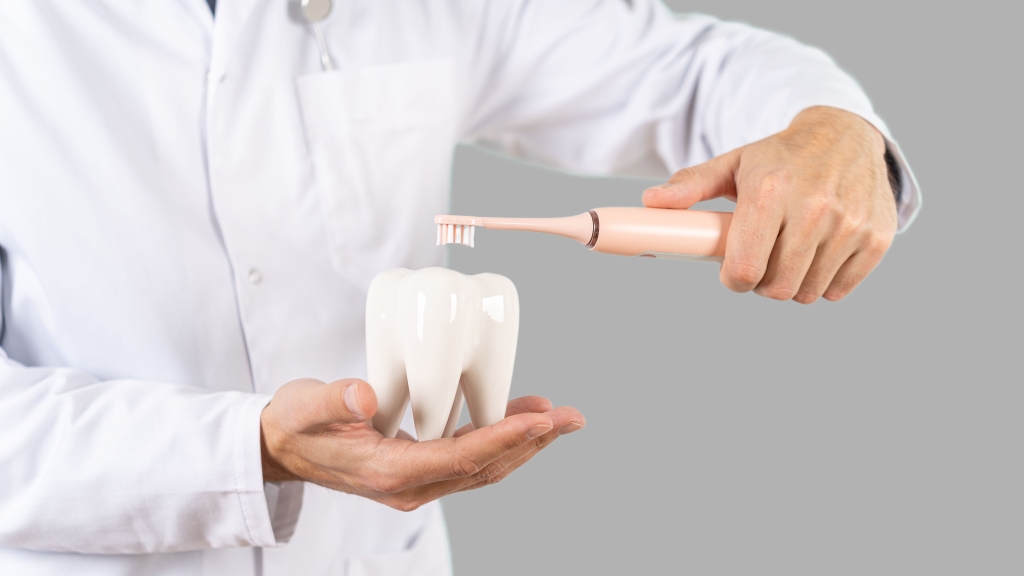
Early cavities—often invisible to the untrained eye—represent the very first warning signs that your teeth are under attack. At this stage, damage is still reversible. Once decay progresses deeper into enamel and dentin, however, the only solution becomes drilling and filling. Understanding how cavities begin, how to recognize white spot lesions, and how remineralization works can empower you to prevent small problems from becoming major dental issues.
This comprehensive guide explores the earliest stages of tooth decay, what you can do at home, and when it’s time to seek professional treatment.
What Happens When a Cavity First Starts Forming?
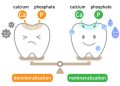
Cavities do not appear suddenly—they develop gradually through a predictable biological process known as demineralization.
1. The Role of Bacteria
- Your mouth naturally contains bacteria such as Streptococcus mutans.
- These bacteria digest sugars and carbohydrates, producing acids as waste.
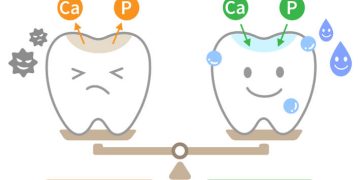
- Acid lowers pH inside the mouth, dissolving minerals like calcium and phosphate from enamel.
2. Demineralization: The First Step of Decay
- Early decay does not form a hole immediately.
- Instead, acids weaken enamel structure, causing it to lose essential minerals.
- This weakened area becomes more porous and susceptible to deeper breakdown.
3. The Critical pH
- At a pH of 5.5 or lower, enamel begins to dissolve.
- Frequent snacking, sugary drinks, and poor cleaning make the mouth stay acidic for long periods.
4. Why Early Cavities Are Silent
- Early decay typically causes no pain, making detection difficult without examination.
- By the time pain appears, decay has usually reached deeper tooth layers.
What Are White Spot Lesions and Why Do They Matter?
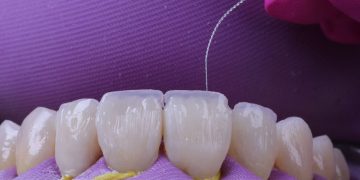
A white spot lesion (WSL) is the earliest visible sign of a cavity and should be treated as a red flag.
1. What Is a White Spot Lesion?
- A chalky, opaque white area on the enamel surface.
- Indicates mineral loss and increased enamel porosity.
- Commonly found near the gumline or between teeth.
2. Why WSLs Form
- Poor brushing technique
- Prolonged sugary exposure (sodas, juices, candies)
- Orthodontic brackets trapping plaque
- Dry mouth or low saliva flow
- Acidic diet
3. Can WSLs Be Reversed?
Yes—white spot lesions are 100% reversible if treated in time because the structural integrity of enamel is still intact.
Can Remineralization Reverse Early Cavities?
Remineralization is the natural repair process that restores minerals to weakened enamel.
1. How Remineralization Works
- Saliva delivers calcium, phosphate, and bicarbonate to the enamel.
- Fluoride enhances mineral uptake and hardens enamel.
- When the mouth’s pH rises above 5.5, enamel can begin repairing itself.
2. Remineralizing Agents
- Fluoride (toothpaste, varnish, rinses)
- Hydroxyapatite toothpaste (mimics natural enamel)
- CPP-ACP (casein phosphopeptide-amorphous calcium phosphate) therapies
- Theobromine-based products (cacao compound shown to strengthen enamel)
- Nano-hydroxyapatite for deeper enamel integration
3. How Long Remineralization Takes
- Small WSLs: Several weeks to months
- Larger early lesions: Several months to a year with consistent care
4. When Remineralization Will Not Work
Remineralization cannot repair:
- Cavities that have formed a hole
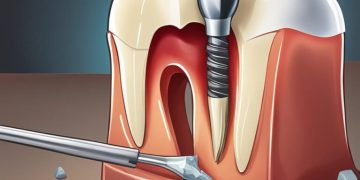
- Decay that has reached dentin
- Deep infections or abscesses
At this stage, dental intervention becomes necessary.

What At-Home Strategies Can Prevent Early Cavities from Progressing?
If you catch cavities early, your home routine is your strongest weapon.
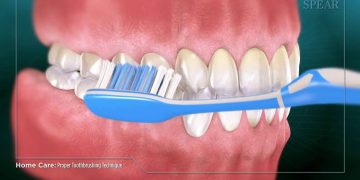
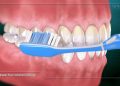
1. Brush Twice a Day with Fluoride Toothpaste
- Let the toothpaste sit on your teeth for 30 seconds before rinsing.
- Use a soft-bristle brush and gentle pressure.
2. Clean Between Teeth Daily
- Use floss or water flossers to remove plaque from interdental spaces where cavities start.
3. Limit Sugar Frequency, Not Just Amount
- Frequent snacking keeps the mouth acidic.
- The biggest risk is sipping sweet drinks throughout the day.
4. Switch to Non-Acidic Hydration
- Replace sodas and fruit juices with water.
- If consuming acidic beverages, use a straw and avoid brushing for 30 minutes afterward.
5. Use Mouth Rinses That Promote Remineralization
- Fluoride mouthwash before bed
- Xylitol gum to stimulate saliva
- Mineral-rich rinses (hydroxyapatite or calcium-phosphate formulas)
6. Protect Teeth at Night
- Nighttime dry mouth increases cavity risk.
- Use humidifiers or saliva-boosting oral gels if needed.
When Should You Seek Professional Treatment for Early Cavities?
While at-home steps are effective, dentists play a major role in diagnosing and halting the early decay process.
1. Professional Detection Methods
Dentists use tools such as:
- Dental radiographs to detect interdental lesions
- Transillumination scans to see demineralization
- Laser fluorescence devices to measure decay depth
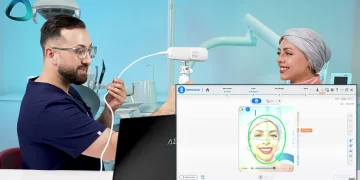
- Intraoral photography to monitor WSL progression
2. Fluoride Varnish and Professional Treatments
- Stronger than store-bought toothpaste
- Applied in-office in minutes
- Proven to reverse early lesions
3. Resin Infiltration (e.g., ICON Treatment)
- A minimally invasive option for WSLs
- Resin penetrates and seals porous enamel
- Prevents the lesion from turning into a cavity
- Popular for orthodontic post-brace white spots
4. When Fillings Become Necessary
A filling is required if:
- The enamel surface collapses
- The cavity forms a physical hole
- Decay reaches dentin
- Pain, sensitivity, or discoloration appears
Early detection ensures less invasive, less expensive treatment.
Conclusion: Can Early Cavities Be Stopped Before They Become Serious?
Yes—early cavities can absolutely be stopped and reversed if caught at the right time. Understanding the early stages of decay, recognizing white spot lesions, and practicing consistent remineralization strategies can prevent the need for drilling or fillings.
The keys are:
- Strong daily oral hygiene
- Smart dietary choices
- Regular dental visits
- Early intervention when signs of enamel weakening appear
With the right approach, early decay doesn’t have to turn into a lifelong dental problem.








Discussion about this post