




















When a tooth becomes weakened, fractured, or cosmetically compromised, dental crowns provide one of the most reliable solutions for restoring both strength and appearance. But choosing the right crown material can feel overwhelming—porcelain, zirconia, gold, porcelain-fused-to-metal, hybrid blends… the list is long. Each option offers its own advantages in durability, aesthetics, and long-term performance.
So how do you decide which crown material is best for your needs, lifestyle, budget, and the location of your damaged tooth? This comprehensive guide breaks down the science, design, and real-world performance of the most common crown materials—porcelain, zirconia, and gold—so you can confidently choose the restoration that will look great and last for years.
Why Would You Need a Dental Crown in the First Place?
A dental crown functions like a protective helmet for a tooth. It covers the entire visible portion above the gumline, restoring shape, function, and appearance. Dentists usually recommend crowns for:
- Severe decay or large fillings
- Cracked or fractured teeth
- After a root canal
- Cosmetic enhancement
- Replacing old, worn crowns
- Supporting bridges or implants
The material you choose influences everything: longevity, natural appearance, bite comfort, and overall cost. That’s why understanding the differences matters.
What Should You Consider Before Choosing a Crown Material?
Your dentist will guide you, but several key factors play a major role in choosing the right crown:
1. Tooth Location
Front teeth require high aesthetics, while molars need superior strength.
2. Bite Force
If you grind or clench your teeth, durability becomes crucial.
3. Gum Line Visibility
Some materials blend better with natural enamel and avoid dark lines at the gum.
4. Budget
Costs vary widely by material.
5. Allergies or Sensitivities
Metal allergies may affect suitability.
6. Longevity Expectations
Some materials last decades with minimal wear.
Now let’s examine the most common crown materials individually.
Porcelain Crowns: Are They the Most Natural-Looking Option?
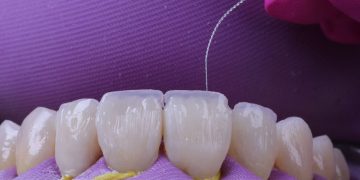
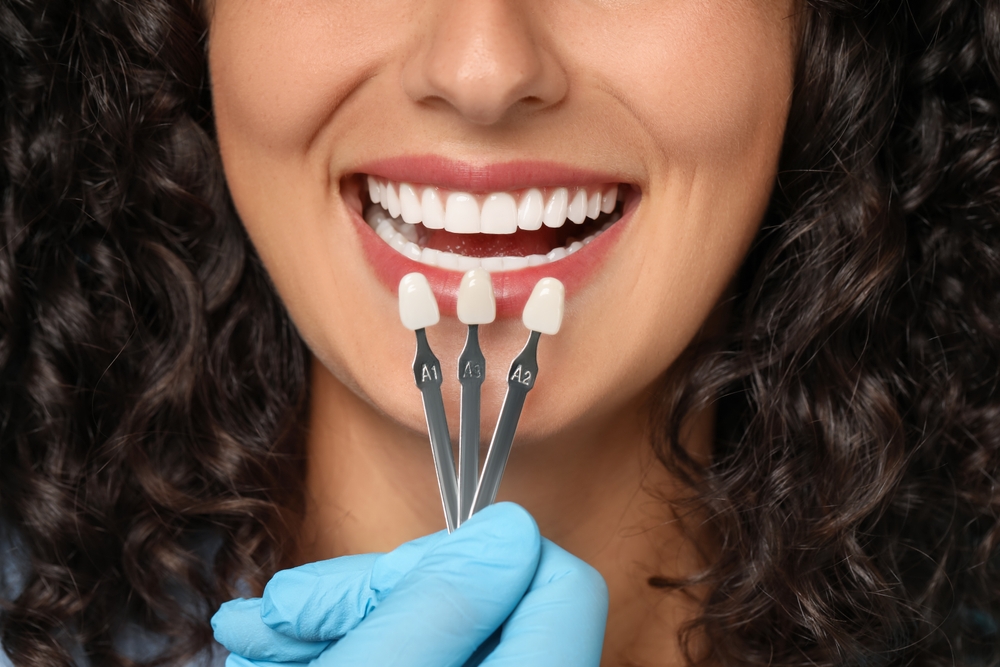
Porcelain crowns are extremely popular for visible teeth due to their lifelike color and translucency. They mimic the reflective properties of natural enamel better than most alternatives.
Aesthetics: The Highest Possible
Porcelain is unmatched for front teeth:
- Translucent like natural enamel
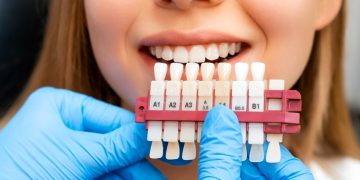
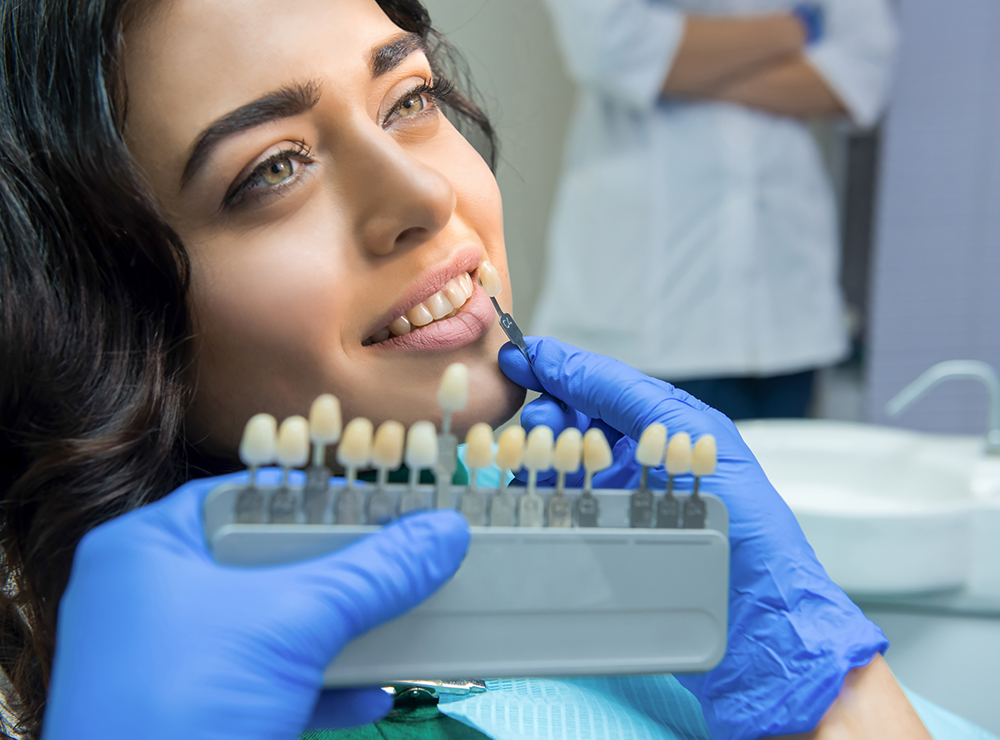
- Customizable shade matching
- Excellent for cosmetic cases
Artists can layer porcelain for even greater realism.
Durability: Good, But Not the Strongest
Porcelain is strong, but more brittle than zirconia or metal. It may chip when subjected to heavy bite forces.
Best used for:
- Incisors
- Canines
- Some premolars
Not ideal for heavy grinders unless reinforced or paired with a night guard.
Comfort and Biocompatibility
Porcelain is gentle on surrounding tissues and doesn’t cause allergic reactions.
Pros
- Most natural appearance
- Great color matching
- Ideal for visible teeth
Cons
- Can chip or crack on molars
- Not suitable for severe bite forces
Ideal for: Highly visible front teeth where aesthetics matter most.
Zirconia Crowns: Are They the Strongest and Most Versatile Choice?
Zirconia crowns have risen dramatically in popularity thanks to advances in dental materials. Today, zirconia is considered one of the best all-around options.
Durability: Nearly Unbreakable
Zirconia is incredibly strong—much stronger than porcelain. It withstands grinding, clenching, and chewing tough foods with ease.
Types include:
- Monolithic zirconia (strongest)
- Layered zirconia (more aesthetic)
Perfect for molars and premolars.
Aesthetics: Improving Rapidly
Early zirconia crowns were opaque. Modern translucent zirconia looks more natural, though still less realistic than porcelain for front teeth.
Biocompatibility
Zirconia is metal-free, hypoallergenic, and integrates well with gum tissue.
Pros
- Extremely durable
- Suitable for any tooth
- Minimal tooth reduction needed
- Good for patients who grind teeth
Cons
- Slightly less aesthetic than porcelain for front teeth
- Can be more expensive
Ideal for: Molars, high bite force, long-term durability.
Gold Crowns: Are They Still Worth Considering Today?
Gold crowns may sound old-fashioned, but they remain one of the longest-lasting dental restorations available.
Unmatched Longevity
Gold doesn’t crack, chip, or fracture. It can last 30–50+ years, sometimes a lifetime.
Dentists love gold for:
- Back molars
- Patients who grind
- Precision fit
Comfort and Function
Gold is gentle on opposing teeth and adapts smoothly to natural bite patterns.
Aesthetics: The Weak Spot
Gold crowns are highly visible, so they are rarely used on front teeth today.
Biocompatibility
Gold alloys are extremely safe, though patients with metal sensitivities should mention concerns.
Pros
- Longest lifespan
- Great for heavy grinders
- Minimal wear on opposing teeth
- Excellent adaptability
Cons
- Very noticeable
- Can be expensive depending on market gold prices
Ideal for: Back teeth where strength > appearance.
How Do These Crown Materials Compare Side-by-Side?
| Feature | Porcelain | Zirconia | Gold |
|---|---|---|---|
| Aesthetics | ★★★★★ Best | ★★★★☆ Very good | ★★☆☆☆ Poor |
| Strength | ★★★☆☆ Moderate | ★★★★★ Highest | ★★★★★ High |
| Longevity | 10–15 years | 15–25+ years | 30–50+ years |
| Tooth Wear | Low | Moderate | Minimal |
| Best For | Front teeth | Molars, general use | Back teeth |
| Cost | Moderate | Moderate–High | High |
Which Crown Material Is Best for Front Teeth?
Porcelain typically wins due to aesthetics.
Translucent zirconia is a strong alternative if durability is a concern.
For severe grinding, your dentist may recommend:
- zirconia for strength
- a night guard for protection
Which Crown Material Is Best for Back Teeth?
Most dentists recommend:
- Zirconia for strength and longevity
- Gold for exceptional comfort and durability (if aesthetics aren’t a concern)
Porcelain is rarely the first choice for molars due to chipping risks.
How Long Will Each Type of Crown Last?
With proper care:
- Porcelain: 10–15 years
- Zirconia: 15–25 years (often longer)
- Gold: 30–50 years (sometimes for life)
Crowns last longer with:
- regular brushing
- flossing
- avoiding hard foods
- night guard use if you grind
- regular dental checkups
What About Cost?
Costs vary based on region and complexity.
Typical ranges:
- Porcelain: $800–$1,800
- Zirconia: $1,000–$2,500
- Gold: $1,200–$3,000+ (depends on gold prices)
Insurance often covers part of the cost for medically necessary crowns.
How Do You Make the Final Decision?
Your dentist will help determine the ideal crown based on:
- Location of tooth
- Aesthetic expectations
- Bite force and grinding habits
- Budget
- Gumline visibility
- Allergies or sensitivities
But in general:
Choose Porcelain If You Want…
- The most natural, beautiful result
- A crown for a front tooth
Choose Zirconia If You Want…
- A long-lasting, strong crown
- A solution safe for grinders
- Aesthetic options for any tooth
Choose Gold If You Want…
- A crown that will last a lifetime
- Superior function without aesthetic concerns
- A smooth, comfortable bite
Every material is excellent in its own way—it’s just about choosing the one that best fits your needs.









Discussion about this post