








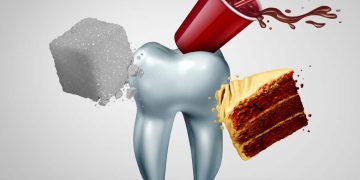











Tooth decay is one of the most widespread chronic diseases worldwide, affecting people of all ages, diets, and lifestyles. While many individuals know that sugar is bad for the teeth and that acidic foods can erode enamel, fewer understand how these two elements interact—and why their combination is especially harmful.
The synergy between sugars and acids creates a destructive cycle that weakens enamel, disrupts oral balance, and feeds harmful bacteria. Tooth decay doesn’t happen overnight; it is the result of repeated chemical interactions inside the mouth that slowly undermine the tooth’s structure. Understanding the chemistry behind sugars, acids, and enamel erosion is essential for making smarter dietary and hygiene choices.
This in-depth article explores the food chemistry behind decay, how enamel breaks down under repeated sugar-acid attacks, and evidence-based preventive strategies to keep your teeth strong and healthy.
Why Sugars and Acids Pose a One-Two Punch to Your Teeth
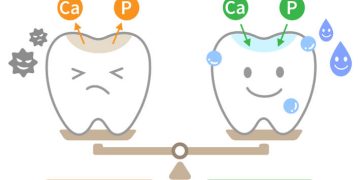
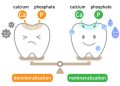
Tooth decay begins with a chemical process called demineralization—the loss of essential minerals such as calcium and phosphate from the enamel. While enamel is the hardest substance in the human body, it is surprisingly vulnerable to acidic environments.
Sugars fuel decay from within the mouth through bacterial fermentation, while acids—both dietary and bacteria-produced—lower the pH around the teeth. When combined, they speed up the breakdown of enamel and create the perfect conditions for cavities to form.
The Chemistry of Sugars: How Carbohydrates Fuel Harmful Bacteria
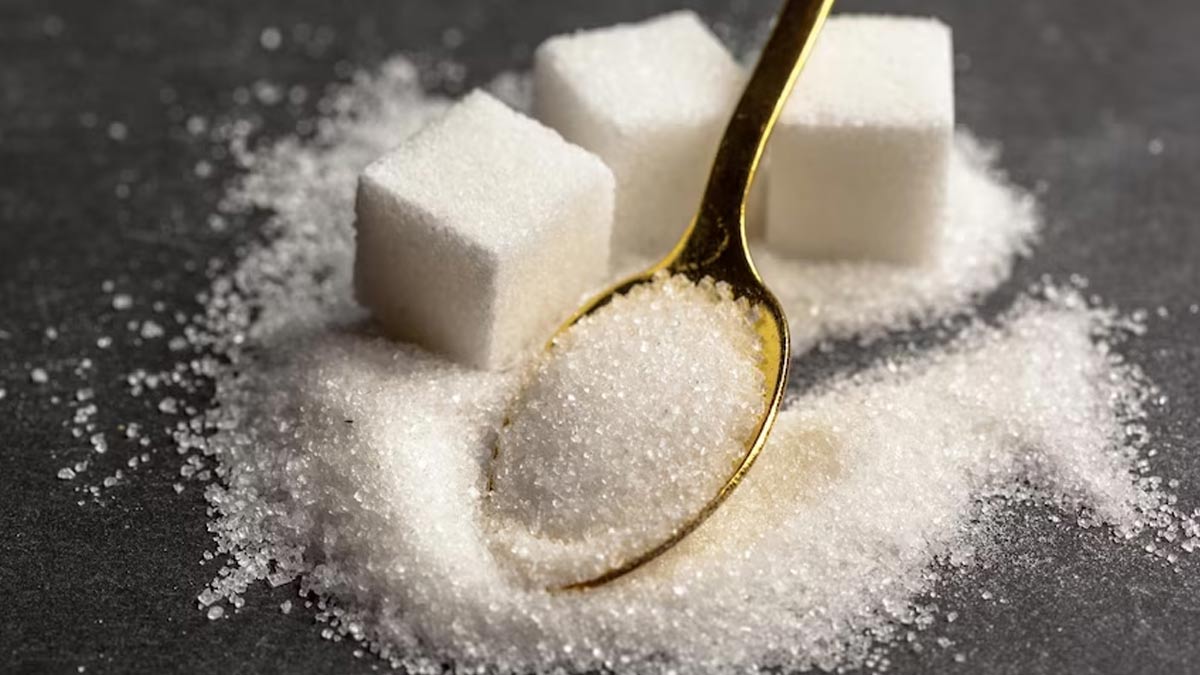
Sugars in food are not the direct cause of cavities, but they supply the fuel that oral bacteria need to produce acids.
1. Fermentable Carbohydrates Feed Oral Bacteria
Sugars and simple carbohydrates include:
- Glucose
- Fructose
- Sucrose
- Lactose
- Maltose
When you eat sugary or starchy foods, these carbohydrates linger on the teeth. Oral bacteria—especially Streptococcus mutans—break them down through fermentation.
2. Bacterial Fermentation Creates Acid
During fermentation, bacteria convert sugars into:
- Lactic acid
- Formic acid
- Acetic acid
These acids dramatically lower the pH in dental plaque.
3. The pH Drop Triggers Demineralization
A healthy mouth has a neutral pH of about 6.8–7.0.
When pH drops below 5.5, enamel begins to dissolve.
Sugary snacks cause:
- Rapid pH drop
- Prolonged acidic environment
- More frequent acid attacks
Each “attack” softens enamel, allowing cavities to form over time.
4. Sticky Sugars Make the Problem Worse
Some sugars cling to teeth longer, such as:
- Caramel
- Gummies
- Dried fruits
- Pastries
- Granola bars
Sticky sugars create extended exposure, giving bacteria more time to produce destructive acids.
The Chemistry of Dietary Acids: Erosion Before the Decay Begins
Sugars feed acid-producing bacteria, but many foods and drinks introduce acids directly into the mouth.
Common acidic sources include:
- Citrus fruits (citric acid)
- Soft drinks (phosphoric acid)
- Vinegar-based foods
- Wine (tartaric acid)
- Sports drinks
- Carbonated beverages
These acids start attacking enamel the moment they enter the mouth.
1. Acids Lower pH Instantly
While bacteria-produced acids take minutes to form, dietary acids immediately bring the pH down.
2. Acids Soften Enamel Surface
Repeated exposure causes:
- Surface softening
- Increased porosity
- Thinner enamel
- Greater susceptibility to bacterial attack
3. Acid Erosion Is Chemical, Not Bacterial
Acid erosion can occur even without bacteria, which is why:
- People who sip acidic drinks often
- Individuals with acid reflux
- Athletes consuming sports drinks
are at higher risk of enamel damage.
How Sugars and Acids Work Together: A Harmful Synergy
When sugars and acids appear together—either in the same food or close in time—they intensify the decay process.
1. Acid Weakens Enamel, Making It Easy for Bacteria to Attack
Acidic drinks soften enamel, lowering its resistance.
Then bacteria-produced acids penetrate deeper.
2. Sugars Accelerate Acid Production After Acidic Exposure
After eating acidic foods, consuming sugar:
- Extends the acidic window
- Traps acid in softened enamel
- Reduces remineralization opportunities
3. Many Popular Foods Contain Both Sugar and Acid
Examples include:
- Energy drinks
- Sodas
- Flavored yogurts
- Candy
- Fruit juices
- Sports drinks
- Kombucha
These foods deliver a double blow—direct erosion from acids + bacterial fermentation from sugar.
4. Frequent Snacking Intensifies the Damage
Every sip or bite restarts the acid cycle.
Constant snacking leads to:
- Prolonged low pH
- Continuous demineralization
- Little time for natural enamel repair
Enamel Breakdown: Understanding the Decay Process Step by Step
Tooth decay is not a single event—it is a multi-stage process.
1. Demineralization Begins with Each Acid Attack
Acid dissolves calcium and phosphate from the enamel surface.
2. Enamel Surface Weakens and Becomes Porous
Porous enamel absorbs bacterial acids more deeply.
3. White Spots Form
These chalky white lesions mark early decay.
At this point, the damage is still reversible.
4. Cavities Form Once Enamel Collapses
If demineralization continues:
- Enamel breaks
- Dentin becomes exposed
- Bacteria enter the tooth
- A cavity forms
5. Decay Progresses Faster in Acidity
Once inside dentin, decay moves rapidly due to:
- Lower mineral content
- Softer structure
- Increased bacterial growth
Why Some People Get Cavities More Easily: Contributing Factors
Several biological and lifestyle factors increase susceptibility.
1. Saliva Quality
Saliva neutralizes acid and repairs enamel.
Low saliva (dry mouth) increases decay risk.
2. Oral Hygiene Habits
Poor brushing leaves plaque that feeds bacteria.
3. Tooth Anatomy
Deep grooves trap sugars and acids.
4. Diet and Eating Frequency
More frequent acid exposure means more decay.
5. Microbial Environment
Some people naturally harbor more acid-producing bacteria.
Preventive Strategies: Protecting Teeth from Sugar-Acid Damage
The good news is that tooth decay is largely preventable. Understanding the chemistry behind sugars and acids helps make smarter prevention choices.
1. Control Diet and Eating Frequency
✔ Limit sugary snacks
Especially sticky, slow-dissolving types.
✔ Avoid sipping acidic drinks slowly
Drink them in one sitting instead of sipping over hours.
✔ Use a straw for acidic beverages
This reduces contact with teeth.
✔ Rinse with water after consuming acids
Do not brush immediately—brushing softened enamel causes more damage.
2. Strengthen Enamel Through Remineralization
✔ Use fluoride toothpaste daily
Fluoride helps rebuild enamel and resist acid.
✔ Try fluoride rinses if you’re cavity-prone
✔ Use remineralizing products containing:
- Calcium
- Phosphate
- Hydroxyapatite
3. Improve Oral Hygiene
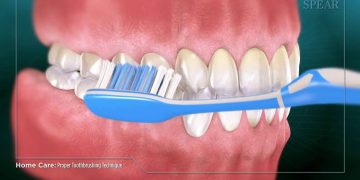
✔ Brush twice a day
Removes plaque and bacterial food sources.
✔ Floss daily
Prevents decay between teeth.
✔ Replace toothbrush every 3 months
4. Protect Teeth with Sealants
Sealants cover deep grooves, preventing acid and sugar from collecting.
5. Manage Dry Mouth
A dry mouth increases acidity.
Improve saliva flow by:
- Drinking more water
- Using sugar-free gum
- Avoiding tobacco
- Using saliva substitutes if needed
6. Reduce Acid Exposure
Choose alternatives such as:
- Still water instead of soda
- Milk instead of juice
- Whole fruits instead of fruit snacks
The Role of Dentists in Managing Sugar-Acid Damage
Dentists use:
- X-rays
- Bitewing images
- Digital cavity detection
- pH assessments
- Saliva testing
To identify issues before they worsen.
Professional treatments include:
- Fluoride varnish
- Re-mineralizing therapy
- Sealants
- Dental restorations
Routine check-ups help prevent the progression of early decay.
Conclusion: Understanding the Chemistry Helps You Protect Your Teeth
Sugars and acids are not dangerous on their own—but together, they create the perfect environment for tooth decay. By understanding food chemistry, enamel breakdown, and the pathways that lead to cavities, you can make informed decisions that protect your smile.
Preventive strategies like fluoride use, mindful eating habits, saliva support, and dental check-ups can counteract the effects of sugar and acid synergy. With the right knowledge and habits, maintaining strong, healthy teeth is entirely within reach.








Discussion about this post