


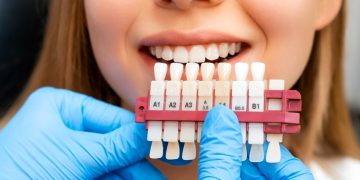












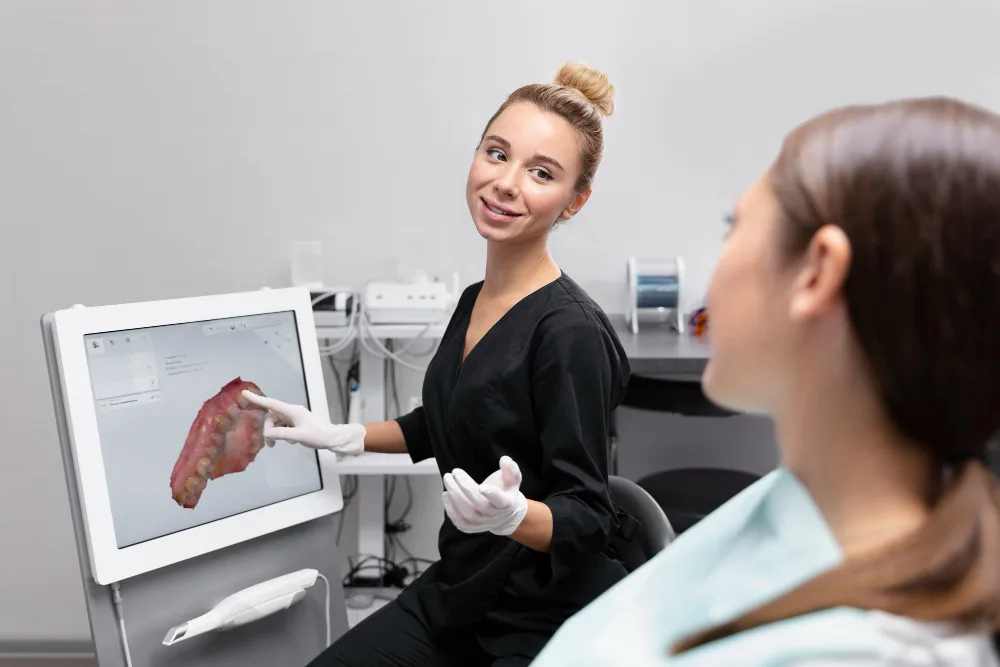
The pursuit of a perfect smile has always been a blend of art and science, but it has long been hampered by a fundamental limitation: imagination. Patients were asked to trust two-dimensional photos, vague descriptions, and the artistic skill of their dentist to envision a life-changing result. This leap of faith often led to mismatched expectations, anxiety, and dissatisfaction. Today, a new co-pilot is entering the operatory, one capable of processing immense amounts of data to eliminate guesswork: Artificial Intelligence (AI). AI-powered smile design is revolutionizing cosmetic and restorative dentistry by moving from abstract promises to precise, data-driven predictions. It is transforming the consultation from a sales pitch into a collaborative design session, where patients can see their future smile with stunning accuracy before any treatment begins.
This technological shift is built on a foundation of sophisticated algorithms that analyze facial aesthetics, automate treatment planning, and generate photorealistic visualizations. This article will delve into how these imaging algorithms decode the principles of beauty, how they integrate with clinical treatment planning to ensure both form and function, and how the power of patient visualization is creating a new era of confidence and collaboration in cosmetic dentistry.
The Digital Artist: How Imaging Algorithms Decode Aesthetics
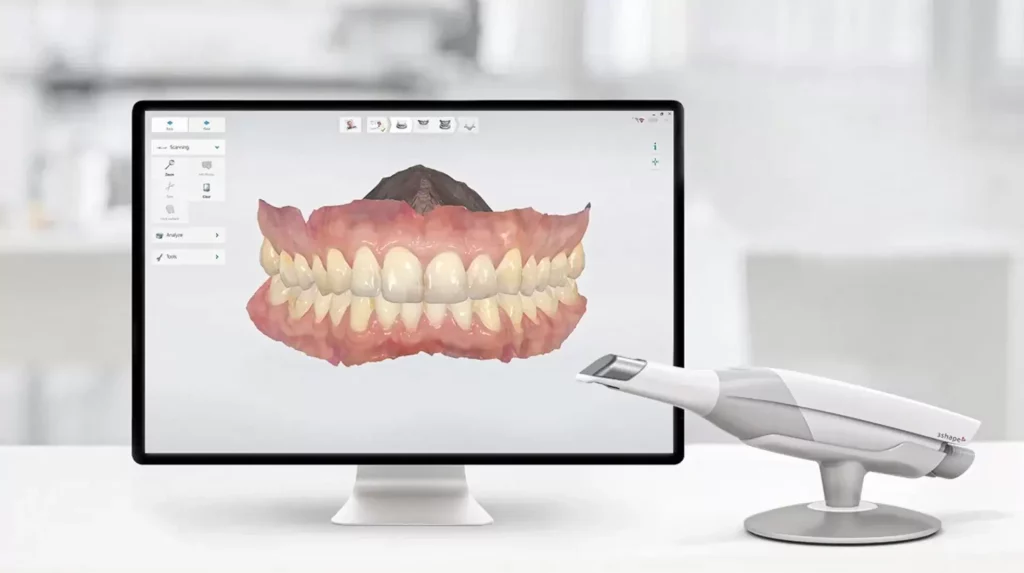
At the heart of AI-powered smile design are complex machine learning algorithms that have been trained on vast datasets of human faces and smiles deemed “attractive” by both popular consensus and dental professional standards. These algorithms don’t just apply a generic template; they perform a deep biometric analysis to create a smile that is uniquely suited to the individual.
Facial Mapping and Proportional Analysis:
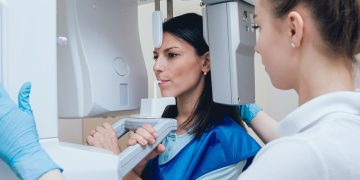
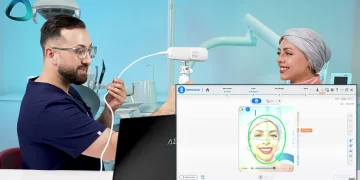
The process begins by using computer vision to map the patient’s face from a series of photographs or a 3D scan. The AI identifies key landmarks: the pupils, the corners of the mouth, the midline of the face, and the gum line. It then analyzes this data against established principles of facial harmony, such as:
- The Golden Proportion: The algorithm can calculate the ideal width ratio between the front teeth and the subsequent teeth when viewed from the front.
- Smile Line: It analyzes how the curve of the upper teeth should mirror the curve of the lower lip when smiling.
- Tooth Morphology: The AI suggests tooth shapes (square, oval, triangular) that would best complement the patient’s gender, age, and facial shape (e.g., a square face may be softened with slightly rounded teeth).
Beyond Generic Rules:
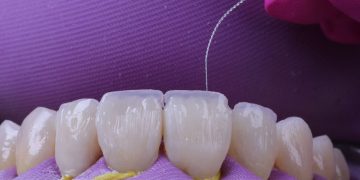
The true power of AI lies in its ability to move beyond rigid rules. By learning from thousands of successful smile makeovers, it can identify subtle, non-mathematical patterns that contribute to a natural and appealing look. It can suggest the perfect amount of incisal embrasures (the small, V-shaped spaces between the tips of the teeth) or the ideal degree of translucency at the edges to avoid a “flat” or “fake” appearance. It is, in effect, a digital artist with an encyclopedic knowledge of aesthetic success.
From Vision to Blueprint: AI in Treatment Planning
A beautiful design is useless if it is not clinically feasible. This is where AI transitions from a digital artist to a clinical partner, seamlessly integrating the aesthetic vision with the practical realities of dentistry.
Precise Measurement and Prosthetic Design:
Once the ideal smile design is established, the AI software can automatically generate precise specifications for the dental laboratory. It can define the exact dimensions, contour, and morphology for each veneer or crown needed to achieve the planned result. This digital blueprint eliminates the ambiguity that can occur when a lab technician interprets a dentist’s manual instructions, ensuring the final restorations match the digital design with micron-level accuracy.
Predicting Functional Outcomes:
Advanced AI systems can now simulate occlusal forces and mandibular movement. This allows the dentist to evaluate how the new smile design will affect the patient’s bite and function. The software can flag potential interferences or unstable contacts before the restorations are even fabricated, preventing post-operative discomfort and ensuring the new smile is not only beautiful but also biomechanically sound and durable.
Workflow Integration:
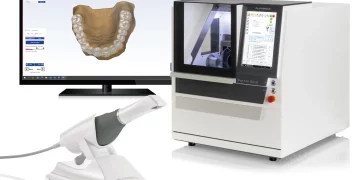
The AI-generated design and planning data integrates directly with Computer-Aided Manufacturing (CAM) systems. This means the digital blueprint can be sent to an in-office milling machine or a lab 3D printer to fabricate the restorations, creating a seamless digital workflow from the initial scan to the final cemented crown or veneer.
The “Wow” Effect: The Power of Patient Visualization
The most significant impact of AI in smile design is psychological. It bridges the imagination gap for the patient, transforming an abstract concept into a tangible reality.
Photorealistic Simulation:
Using the patient’s own photographs, the AI software generates a hyper-realistic simulation of their post-treatment smile. This is far more advanced than simple “photoshopping.” The simulation accounts for lip dynamics, lighting, and the way teeth naturally interact with light, showing translucency, opacity, and characterization. Patients don’t just see a new set of teeth; they see themselves with a new smile.
Co-Creation and Empowerment:
This technology turns the consultation into a collaborative design studio. A dentist can show multiple options in real-time. “What if we made the lateral incisors a bit more prominent? Or what if we chose a slightly warmer shade?” The AI can adjust the design instantly, allowing the patient to be an active participant in crafting their new image. This process:
- Builds Unshakable Trust: When patients see the predicted outcome and are part of the design process, their trust in the dentist and the treatment plan skyrockets.
- Manages Expectations: The simulation provides a clear, realistic preview of the final result, eliminating the “sticker shock” that can sometimes occur when temporary restorations are replaced with permanents.
- Drives Commitment: Seeing the powerful aesthetic improvement visualized on their own face is the most compelling motivator for patients to move forward with treatment, confident in their investment.
Conclusion: The End of Guesswork, The Dawn of Personalized Precision
AI-powered smile design represents a quantum leap in cosmetic dentistry. It is systematically removing the variables of guesswork, subjective interpretation, and artistic limitation that have long plagued the field. By leveraging data-driven algorithms, it ensures that smile design is no longer just an art, but a repeatable, predictable science of aesthetics.
It empowers dentists to function as master architects and engineers, backed by an intelligent system that handles complex calculations and aesthetic analysis. Most importantly, it empowers the patient, giving them a voice and a vision. The ability to see one’s future self—to preview confidence and joy—is a profoundly powerful tool. In the end, AI-powered smile design is not about technology replacing human skill; it’s about technology amplifying human potential, ensuring that every patient can make an informed, confident leap toward the smile they’ve always envisioned.








Discussion about this post