















Dental education has always required a delicate balance between theory, hands-on practice, and clinical exposure. However, traditional training models—while effective—face limitations when it comes to patient availability, risk-free skill development, and realistic simulation of clinical challenges. Augmented Reality (AR) has emerged as one of the most promising innovations designed to bridge these gaps.
But is AR truly transforming dental education and training, or is it simply the latest tech trend? In this comprehensive exploration, we examine how AR simulation tools work, how they enhance skill acquisition, and how dental schools around the world are beginning to adopt—and adapt to—this revolutionary technology.
What Makes AR a Game-Changer in Dental Education?
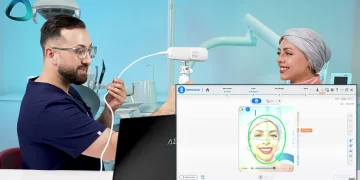
Augmented Reality overlays digital elements onto real-world environments, creating an interactive and immersive learning platform. In dentistry, AR strengthens the connection between theoretical learning and real clinical experience by allowing students to visualize, simulate, and practice procedures as if they were treating real patients—without the risks.
1. Realistic, Immersive Simulation of Procedures
Traditional dental mannequins cannot replicate:
- soft tissue behavior
- bleeding
- variations in anatomy
- disease progression
- patient movement or reactions
AR systems can simulate these real-world complexities using advanced modeling, providing a level of realism previously unattainable.
2. Instant Feedback and Skill Assessment
AR tools can evaluate:
- hand positioning
- drilling depth
- pressure applied
- procedural sequencing
- time efficiency
This objective feedback helps learners correct mistakes instantly—something not possible with purely physical practice models.
3. Unlimited Practice Opportunities
Students can repeat difficult procedures safely and indefinitely, including:
- cavity preparations
- extractions
- root canal access
- periodontal scaling
- implant placement
Unlimited repetition significantly accelerates skill acquisition.
How Do AR Simulation Tools Work in Dentistry?
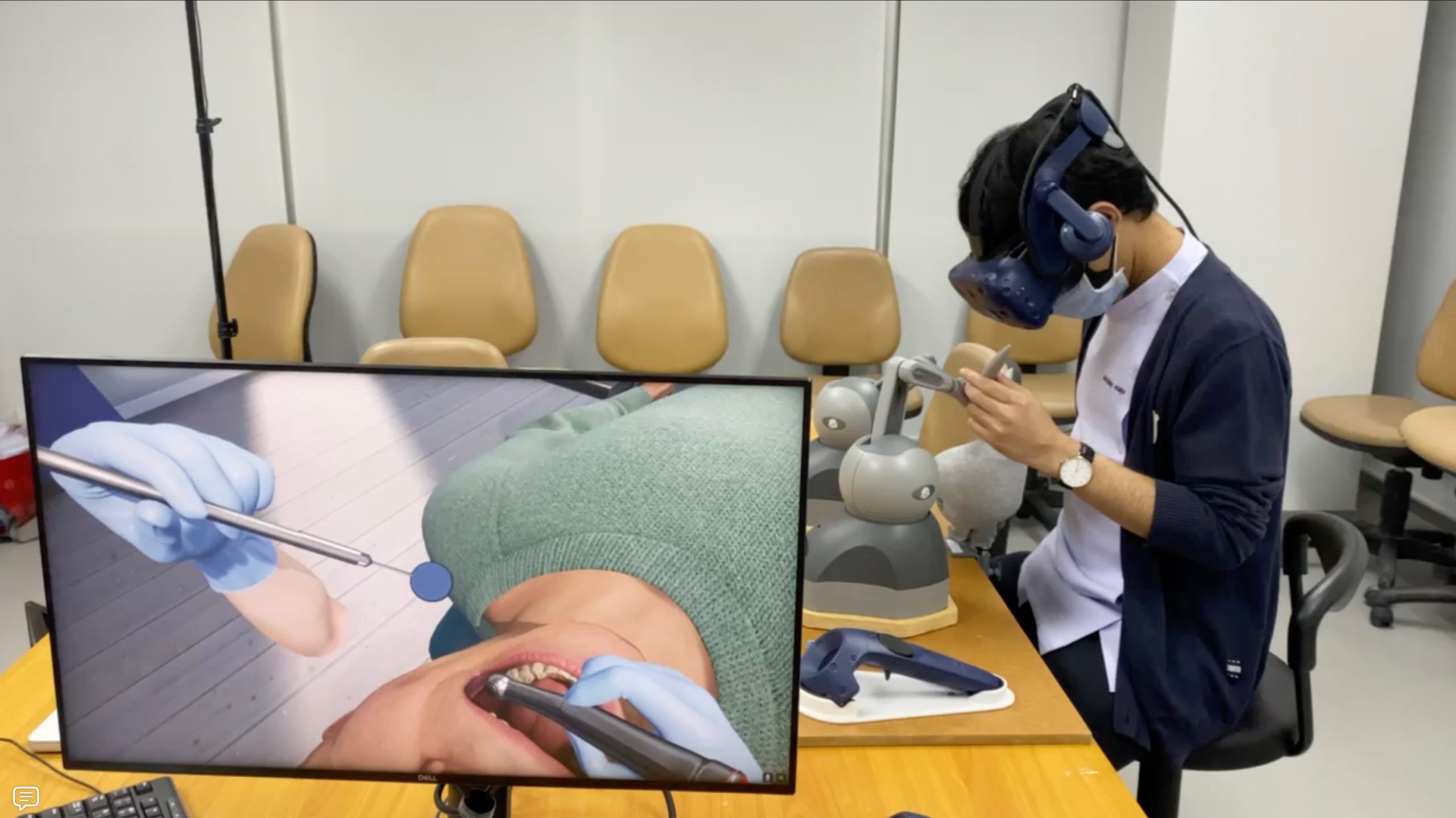
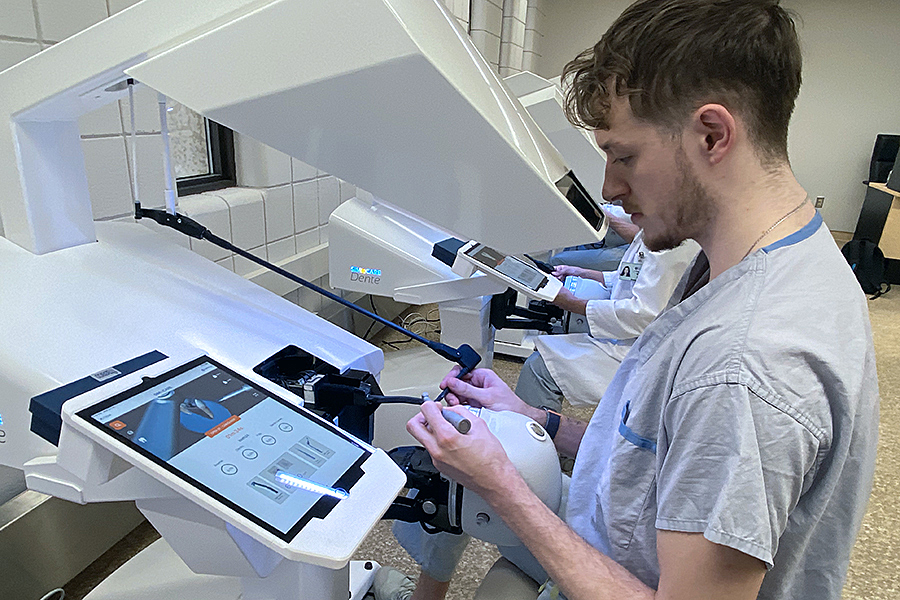
AR tools vary by manufacturer and function, but they generally include:
- A headset or AR glasses
- A haptic tool that mimics dental instruments
- A digital model of oral anatomy
- Simulation software with procedural modules
When a student holds the AR instrument, haptic feedback replicates the sensation of drilling or probing. Visual overlays display the patient’s teeth, tissues, and respond in real time as the student performs actions.
Common Features Found in Modern AR Dental Simulators:
- High-detail 3D tooth and bone structures
- Interactive soft tissue layers
- Realistic audio cues such as drill vibration
- Multiplayer or collaborative training modes
- Case-based learning (caries, fractures, periodontitis, etc.)
These features replicate real clinical complexities, helping students gain confidence before working with live patients.
How Does AR Improve Skill Acquisition in Dental Training?
Skill development in dentistry relies heavily on manual dexterity, spatial awareness, and clinical reasoning. AR strengthens all three.
1. Improved Spatial Understanding
AR allows students to visualize:
- tooth morphology
- root canal systems
- periodontal structures
- anatomical variations
Seeing anatomical structures from multiple angles helps students make more informed and accurate clinical decisions.
2. Enhanced Hand-Eye Coordination
AR simulates real dental angles, mirror positioning, and tool movement, reinforcing essential ergonomics and manual precision.
3. Reduced Learning Curve for Complex Procedures
Studies have shown that AR accelerates learning for challenging procedures such as:
- endodontic access openings
- implant angulation
- crown preparations
By mastering these virtually, students enter clinics with greater readiness.
4. Risk-Free Mistake Correction
In AR, consequences disappear as quickly as they appear. Students can:
- undo errors
- replay difficult steps
- view performance analytics
- compare performance to clinical standards
Mistakes become learning opportunities rather than liability risks.
Why Are Dental Schools Adopting AR Technology?
Dental institutions face growing challenges:
- large student cohorts
- limited patient availability
- higher expectations for clinical competency
- rising training costs
- increased need for standardized assessments
AR offers solutions to each challenge.
1. Standardized, Fair Learning Environments
Each student receives the same case difficulty, conditions, and feedback—ensuring consistent training quality.
2. Reduced Dependence on Live Patients
While patient experience remains essential, AR fills gaps when patient cases are limited or involve litigation risks.
3. Cost-Effective Over Time
Although initial setup is expensive, AR reduces costs associated with:
- consumables
- replacement mannequin heads
- dental lab materials
- instructor hours
4. Better Instructor Efficiency
Educators can monitor multiple students simultaneously through dashboards instead of supervising each individually.
5. Attractive to Prospective Students
Modern learners value institutions that embrace cutting-edge technology. AR enhances the school’s competitiveness and reputation.
Challenges and Barriers to AR Adoption
Despite its benefits, AR implementation in dental education still faces limitations.
1. High Initial Costs
AR systems require:
- specialized hardware
- software licenses
- maintenance
- faculty training
This can be prohibitive for smaller schools.
2. Learning Curve for Instructors and Students
Adapting to new technology takes time.
Some faculty may prefer traditional teaching methods or feel unprepared for digital integration.
3. Limited Availability of High-Quality Modules
Not all AR platforms offer a full spectrum of procedures. Certain specialties—like prosthodontics or oral pathology—still require more development.
4. Lack of Long-Term Outcome Studies
While early research is promising, long-term evidence comparing AR-trained dentists to traditionally trained ones is still evolving.
What Is the Future of AR in Dental Education?
Given its rapid growth, AR is poised to dramatically reshape dental teaching in the coming years.
1. Fully Immersive Virtual Dental Clinics
Future AR environments may simulate a complete dental office, from consultations to full procedures.
2. Integration With AI Diagnostics
AI may guide students through step-by-step treatments, interpreting errors and recommending corrections.
3. Remote AR Training for Global Accessibility
Students could train from home with portable AR kits, expanding access in underserved regions.
4. Personalized Learning Paths
AR software may generate personalized modules based on each student’s weaknesses or skill gaps.
5. Hybrid Lab-AR Training Systems
Combining physical models with AR overlays could create the most realistic simulation environment yet.
Conclusion: Is AR Truly Revolutionizing Dental Training?
Absolutely—AR is redefining how future dentists learn, practice, and refine their skills. While it does not replace real patient experience, it enhances foundational training in a way that is:
- safer
- more efficient
- more immersive
- more standardized
- more technologically aligned with modern clinical practice
As adoption grows, AR will likely become a core component of dental education worldwide, preparing students better than ever for real clinical environments.









Discussion about this post