








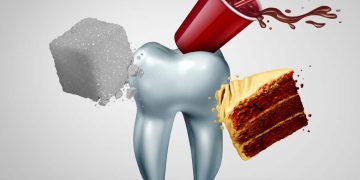














Plaque is one of the most common and persistent challenges in oral health. It forms constantly, it grows quickly, and if left unmanaged, it can lead to cavities, gum disease, bad breath, and eventually tartar buildup—problems that affect millions of people worldwide. Yet despite how common plaque is, most people don’t fully understand what it is biologically, how it evolves, how lifestyle choices influence it, or what practices most effectively reduce it.
This article offers a deep, science-based, engaging exploration of plaque—from its earliest stages to its more harmful mature form—while giving you practical strategies to prevent buildup and protect your smile for the long term.
What Is Plaque Made Of Biologically?
Plaque—also known as a biofilm—is a soft, sticky layer that naturally forms on teeth. It is not simply “gunk” or leftover food. It is a living, organized microbial ecosystem.
1. Bacteria and Microorganisms
Plaque contains:
- Streptococcus mutans (primary cavity-causer)
- Streptococcus sanguinis
- Lactobacillus species
- Anaerobic bacteria involved in gum disease
These microorganisms attach to tooth surfaces and feed on carbohydrates.
2. Polysaccharides (Sticky Sugars)
Bacteria release enzymes that convert sugars into sticky polysaccharides.
These act like glue, helping plaque adhere tightly to enamel.
3. Salivary Proteins
Proteins in saliva form a thin film on teeth called the pellicle, which plaque uses as a foundation.
4. Acids
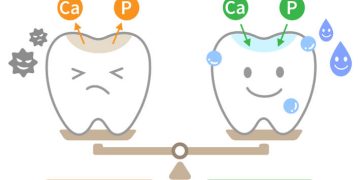
As bacteria digest sugars, they release acids that:
- Drop saliva pH
- Dissolve minerals in enamel
- Initiate decay
5. Water and Debris
Plaque is about 80% water, containing:
- Food particles
- Minerals
- Bacterial waste
Together, this creates a growing environment for biofilm expansion.
How Does Plaque Transition from Early to Mature Stages?
Plaque formation begins within minutes after brushing, but the danger increases as it matures.
Early Plaque (0–24 hours)
This stage is thin, soft, and easy to remove.
Characteristics:
- Primarily aerobic bacteria
- Low risk of gum inflammation
- Minimal acid production
- Feels smooth but slightly filmy
Brushing and flossing at this stage keeps plaque under control.
Mature Plaque (48–72 hours)
Once biofilm becomes established, it grows thicker and more harmful.
Changes include:
- Shift from aerobic to anaerobic bacteria
- Higher acid production
- Release of toxins that irritate gums
- Increased bacterial diversity
- Sticky, thick, and difficult to remove without targeted cleaning
Mature plaque is the form responsible for:
- Gingivitis
- Early enamel demineralization
- Bad breath
- Increased mineralization that leads to tartar
Advanced Plaque (>72 hours)
Long-standing plaque begins to calcify, becoming tartar (calculus). This hardened mineral layer can no longer be brushed off and requires professional scaling.
Which Lifestyle Factors Make Plaque Worse?
Lifestyle habits play a major role in how quickly plaque forms and how harmful it becomes.
1. High-Sugar Diets
Sugary snacks fuel bacterial metabolism.
Worst offenders:
- Sticky candies
- Sodas
- Sweetened coffee drinks
- Refined carbohydrates like white bread
More sugar → more acid → more plaque growth.
2. Frequent Snacking
Each snack triggers a new acid attack, keeping pH low.
Even healthy snacks like dried fruit can worsen plaque if eaten frequently.
3. Mouth Breathing
Mouth breathing dries saliva and creates:
- Higher plaque accumulation
- Faster acidification
- Increased gum inflammation
4. Poor Oral Hygiene
Skipping nightly brushing or rushing flossing gives plaque time to mature.
5. Smoking or Vaping
Nicotine thickens plaque and increases harmful anaerobic bacteria.
6. Low Saliva Flow
Caused by:
- Dehydration
- Medications
- Stress
- Alcohol
- Sleep apnea
Low saliva = faster biofilm growth.
What Are the Most Effective Practices to Reduce Plaque?
Reducing plaque is not just about brushing—it involves consistent behavior and strategic prevention.
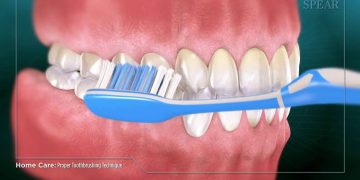
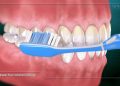
1. Use Proper Brushing Technique
Brush twice daily for 2 minutes, focusing on:
- Gumline
- Molars
- Inner surfaces
Electric toothbrushes often remove plaque more efficiently due to oscillating or sonic movement.
2. Never Skip Nighttime Brushing
Plaque forms most aggressively during sleep because:
- Saliva production drops
- Bacteria multiply unchecked
A clean mouth before bed dramatically reduces overnight plaque maturity.
3. Floss Daily
Flossing reaches areas where 40% of plaque hides:
between teeth and under the gumline.
4. Use Mouthwash Strategically
Choose a rinse with:
- Fluoride (strengthens enamel)
- Chlorhexidine (for clinical plaque reduction)
- Cetylpyridinium chloride (kills bacteria)
Avoid alcohol-heavy rinses if you have dry mouth.
5. Chew Sugar-Free Gum
Gum containing xylitol suppresses plaque-causing bacteria.
6. Stay Hydrated
Water helps:
- Rinse food particles
- Maintain saliva flow
- Stabilize oral pH
7. Limit Sugar Frequency
It’s not how much sugar you eat—it’s how often.
Focus on:
- Avoiding grazing
- Eating sweets with meals instead of between them
- Drinking water afterward
How Can You Prevent Plaque from Becoming Tartar?
Tartar is mineralized plaque that can form in as little as 24–72 hours in some individuals.
To prevent plaque hardening:
1. Target Your “Tartar Zones”
Common areas:
- Behind lower front teeth
- Outer surfaces of upper molars
- Gumline
Angle your brush properly toward the gumline (45 degrees).
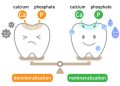
2. Use Fluoride Toothpaste Daily
Fluoride:
- Remineralizes early plaque-damaged enamel
- Reduces decay risk
- Creates a more acid-resistant surface
3. Use an Electric Toothbrush
Evidence shows:
- 21% less plaque
- 11% less gingivitis
compared to manual brushing.
4. Get Regular Dental Cleanings
Only professional scaling removes hardened tartar.
5. Avoid Smoking
Nicotine accelerates plaque mineralization.
Conclusion: Can Plaque Be Stopped?
Plaque cannot be prevented entirely—it forms naturally and constantly.
But you have complete control over whether it becomes harmful.
By understanding plaque biologically, recognizing how it evolves, and adopting effective daily habits, you can:
- Minimize plaque growth
- Prevent gum inflammation
- Protect enamel
- Avoid tartar formation
- Maintain a healthy, clean smile
A plaque-free mouth isn’t about perfection—it’s about consistency. With the right knowledge and routine, plaque becomes manageable instead of destructive.








Discussion about this post