


















Water flossers have become one of the most popular home-care devices in modern oral hygiene routines. Marketed as convenient, gentle, and effective, they seem like an attractive alternative to traditional string floss—especially for people who dislike manual flossing. But can they truly replace traditional floss, or do they serve a different purpose?
This article explores how water flossers work, their strengths and limitations, who benefits the most from them, what dentists recommend, and how to choose the right device for your needs.
How Do Water Flossers Work?
A water flosser—also known as an oral irrigator—uses a motorized pump to deliver a pressurized stream of pulsating water between the teeth and along the gumline. This water action performs three main functions:
1. Dislodging Food Particles
The force of the water helps flush out food debris stuck in the spaces that brushing misses.
2. Disrupting Bacterial Biofilm
The pulsation helps disturb plaque colonies growing along the gumline. While it doesn’t scrape plaque off the way string floss does, it can reduce bacterial load and inflammation.
3. Gently Massaging the Gums
The water pressure stimulates blood flow in gum tissue, promoting healing and reducing bleeding in people with gum disease.
Key Mechanism
Water flossers rely on hydrodynamic shear forces, not physical scraping. This is why they’re powerful against loose debris and beneficial for gums, but not always enough to remove plaque tightly stuck to tooth surfaces.
Strengths of Water Flossers
Water flossers offer several unique advantages that make them valuable in many oral-care routines.
1. Excellent for Gum Health
Studies show water flossers can significantly reduce gum bleeding and inflammation, sometimes even more effectively than string floss for people with periodontal issues.
2. Great for Hard-to-Clean Dental Work
Water flossers excel when navigating:
- braces
- dental implants
- bridges
- crowns
- tight or tricky interproximal spaces
The water stream reaches areas string floss may not be able to access easily.
3. Easy for People With Limited Dexterity
For individuals with conditions such as arthritis, tremors, or limited mobility, water flossers are far easier than handling string floss.
4. Gentle and Comfortable
People with sensitive gums or bleeding issues often find water flossers less painful and more inviting to use daily.
5. Higher User Compliance
Since the process feels easier and quicker, people are generally more likely to use a water flosser consistently.
Limitations of Water Flossers
Despite their many advantages, water flossers are not a complete replacement for traditional floss in every situation.
1. They Don’t Physically Scrape Plaque
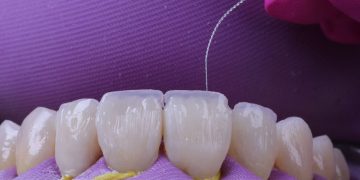
String floss removes plaque by mechanical debridement—scraping sticky biofilm off tooth surfaces.
Water alone cannot remove calcified or tightly adhered plaque.
2. Less Effective for Tight Contacts
If your teeth are very close together or have plaque wedged firmly in between, string floss cleans more thoroughly.
3. Requires Electricity and Water
A water flosser is less travel-friendly than a portable container of floss.
4. Can Be Messy
Beginners may find the process splashes water and requires more coordination than expected.
5. More Expensive
Water flossers cost significantly more than floss and require periodic maintenance.
Bottom Line:
Water flossers are powerful supplements, but not universal replacements.
Who Are the Best Candidates for Water Flossers?
Water flossers are especially beneficial for the following groups:
1. People With Braces or Orthodontic Appliances
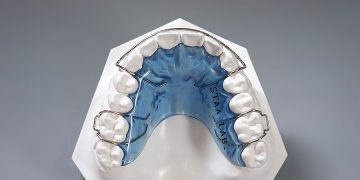
The water jet cleans around brackets, wires, and behind retainers more effectively than string floss.
2. Individuals With Gum Disease
Studies show water flossers help reduce gingival bleeding, periodontal pocket bacteria, and swelling.
3. Dental Implant Patients
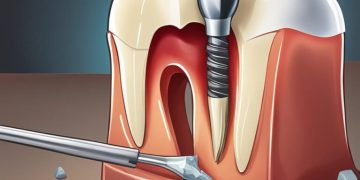
Water flossers can reduce peri-implant inflammation better than traditional floss in many cases.
4. People With Bridges, Crowns, and Large Restorations
Irrigation cleans beneath bridgework where floss cannot reach.
5. Those With Limited Dexterity
Users who struggle with the technique of string flossing may benefit significantly from the ease of a water flosser.
6. People Who Simply Won’t Floss Otherwise
If water flossing is the only method you’ll use consistently, dentists usually prefer “something over nothing.”
Dentist Guidelines: Should You Replace String Floss?
Most dental organizations—including the ADA—provide similar guidance:
1. Water Flossers Are an Approved Tool
The ADA Seal of Acceptance confirms they reduce plaque and gingivitis.
2. They Do Not Replace String Floss for Everyone
If you have normal tooth spacing and no specialized dental appliances, traditional floss usually remains the gold standard for removing plaque.
3. Ideal Routine: Use Both
For many people, the best combination is:
Brush → Water Floss → String Floss
But this may vary depending on your oral health needs.
4. Patients With Special Needs May Substitute
If you have braces, implants, or periodontal disease—or cannot physically use string floss—dentists often recommend water flossers as the primary interproximal cleaner.
5. Technique Matters
A water flosser used incorrectly is less effective than string floss used correctly—so instruction is key.
Choosing the Right Water Flosser: Key Features to Consider
Not all water flossers are equal. Choosing the right model improves both effectiveness and experience.
1. Pressure Settings
Look for multiple levels (5–10) to adjust comfort. People with sensitive gums may prefer low pressure.
2. Tank Size
Larger tanks (300–600 mL) allow longer sessions without refilling.
3. Tips and Attachments
Consider models with:
- orthodontic tips
- periodontal pocket tips
- standard jet tips
- plaque removal tips
4. Portability
Two main types:
- Countertop units: powerful, consistent, better for daily home use.
- Portable/cordless units: convenient for travel; slightly less powerful.
5. Noise Level
Some models are very loud. Quieter versions are ideal for shared living spaces.
6. ADA Seal of Acceptance
This ensures claims are backed by clinical evidence.
7. Battery Life (for cordless models)
Look for long-lasting lithium batteries.
So—Do Water Flossers Replace Traditional Floss?
The answer depends on your oral health situation:
For most people:
No—water flossers do not completely replace string floss.
String floss is still better at scraping plaque off tight contacts.
For certain groups:
Yes—water flossers can effectively replace floss, especially for
- braces
- implants
- gum disease
- dexterity issues
- large dental restorations
For everyone:
A water flosser is an excellent addition to an oral hygiene routine, improving gum health, comfort, and accessibility.









Discussion about this post