

























The confidence that comes with knowing your breath is fresh is immeasurable. It allows you to speak, laugh, and engage with others without a second thought. Conversely, the anxiety of bad breath, or halitosis, can be socially crippling, causing you to cover your mouth, avoid close conversations, and constantly wonder if others are noticing. While a mint or piece of gum offers a quick fix, it’s merely a mask for an underlying issue. True, all-day fresh breath isn’t about constantly covering up odor; it’s about understanding its root causes and implementing a proactive, strategic routine that addresses the problem at its source.
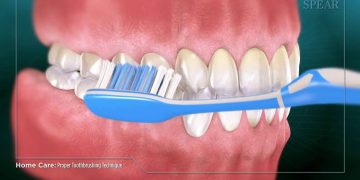
Achieving lasting oral freshness is a multi-faceted endeavor. It requires a clear understanding of the biological processes that cause bad breath, a commitment to a often-overlooked hygiene step, mindful choices about what you consume, the intelligent use of rinses, and the wisdom to recognize when a dental or medical condition might be the culprit. This comprehensive guide will walk you through each of these pillars, providing you with the knowledge and tools to feel confident in your breath from morning until night.
1. The Enemy Within: Unmasking the Common Causes of Bad Breath
To defeat bad breath, you must first understand what causes it. In about 90% of cases, the source is within the mouth, not the stomach. The primary villain is a group of bacteria on the tongue and in the pockets around your teeth that thrive in low-oxygen environments. These bacteria break down proteins from food particles, dead skin cells, and post-nasal drip, releasing foul-smelling volatile sulfur compounds (VSCs) as a byproduct. These VSCs, such as hydrogen sulfide (which smells like rotten eggs) and methyl mercaptan, are the direct cause of offensive odor.
The key factors that exacerbate this process are:
- A Dirty Tongue: The back of the tongue is the single largest reservoir for these odor-producing bacteria. Its rough surface provides an ideal, protected habitat.
- Gum Disease (Periodontitis): Infected gum pockets around the teeth are deep, anaerobic environments where bacteria proliferate, producing a characteristically strong, persistent odor.
- Dry Mouth (Xerostomia): Saliva is nature’s mouthwash. It cleanses, neutralizes acids, and contains oxygen that inhibits the growth of anaerobic bacteria. A dry mouth, caused by medications, breathing through your mouth, or dehydration, creates a perfect environment for VSC production.
- Food Debris: Trapped food particles between teeth break down and feed the bacterial colonies.
2. Your Secret Weapon: The Non-Negotiable Importance of Tongue Cleaning
If you brush your teeth meticulously but skip your tongue, you are ignoring the ground zero of bad breath. Studies have shown that tongue cleaning can reduce VSCs by up to 75%.
A toothbrush is better than nothing, but it’s designed for the hard, smooth surfaces of teeth, not the soft, textured surface of the tongue. It often just smears debris around and can trigger the gag reflex.
The gold standard for tongue cleaning is a dedicated tongue scraper. Typically made of flexible stainless steel or copper, a scraper is designed to glide over the tongue’s surface and physically remove the bacterial biofilm, food debris, and dead cells that coat it.
The Right Technique:
- Stand in front of a mirror and stick out your tongue.
- Place the rounded end of the scraper at the very back of your tongue. If you gag, start a little further forward and gradually work your way back as you get used to it.
- Gently but firmly pull the scraper forward toward the tip of your tongue.
- Rinse the scraper under warm water to remove the residue.
- Repeat this process 4-5 times, covering the entire surface of the tongue, until no more residue is visible on the scraper.
Making this a part of your morning and evening routine is the single most effective step you can take for all-day breath freshness.

3. Fuel and Habits: Navigating High-Risk Foods and Lifestyle Choices
What you eat and drink, along with certain habits, has a direct and immediate impact on your breath.
- The Obvious Offenders: Garlic, onions, and strong spices contain sulfur compounds that are absorbed into your bloodstream, transferred to your lungs, and exhaled for hours after eating. No amount of brushing can eliminate this systemic effect.
- Sugary Foods and Drinks: Sugar provides a ready food source for oral bacteria, stimulating their activity and the production of VSCs.
- Coffee and Alcohol: Both are diuretics and contribute to dehydration and dry mouth. Coffee’s strong aroma can also linger and mix with oral bacteria, creating a distinct and unpleasant odor.
- Smoking and Tobacco: Tobacco use not only leaves its own stale smell but also dries out the mouth and irritates gum tissues, significantly increasing the risk of gum disease—a major cause of chronic bad breath.
Strategic Mitigation:
- Drink plenty of water throughout the day to stay hydrated and stimulate saliva flow.
- After consuming pungent foods, chew on a natural breath freshener like a sprig of parsley, a fennel seed, or a clove.
- Eat crunchy, fibrous fruits and vegetables like apples and carrots, which can help clean teeth and stimulate saliva.
4. The Rinse Cycle: Choosing and Using Mouthwash Intelligently
Mouthwash can be a valuable ally, but it must be chosen and used correctly. It is an adjunct to, not a replacement for, mechanical cleaning.
- Cosmetic Mouthwashes: These merely mask odor for a few minutes and provide no therapeutic benefit.
- Alcohol-Based Therapeutic Mouthwashes: While effective at killing bacteria, the high alcohol content can be extremely drying. For many, this creates a rebound effect: a brief period of freshness followed by a drier mouth and worse breath.
- The Best Choices for Fresh Breath:
- Alcohol-Free Mouthwashes with Cetylpyridinium Chloride (CPC): CPC is an effective anti-bacterial agent that doesn’t cause dryness.
- Zinc-Containing Mouthwashes: Zinc ions neutralize volatile sulfur compounds, effectively canceling the odor at a chemical level rather than just masking it.
- Chlorine Dioxide Mouthwashes: These are specifically formulated to oxidize and neutralize VSCs.
The Right Way to Use Mouthwash: Use it at a separate time from brushing, such as after lunch. Using it immediately after brushing can rinse away the concentrated fluoride from your toothpaste.
5. A Warning Sign: When Halitosis Indicates an Underlying Disease
While most bad breath is oral in origin, persistent halitosis that doesn’t respond to improved hygiene can be a red flag for an underlying health issue.
- Oral Conditions: Untreated cavities, gum disease, and ill-fitting dental appliances that trap food can all be sources of odor.
- Sinus and Respiratory Infections: Post-nasal drip from sinusitis, tonsillitis, or bronchitis provides a protein-rich fuel for oral bacteria. Tonsil stones (tonsilloliths)—calcified debris trapped in the tonsils—can also cause a foul, persistent odor.
- Systemic Diseases: Certain conditions have distinctive breath odors:
- Uncontrolled Diabetes can cause a sweet, fruity smell of acetone (ketoacidosis).
- Kidney Failure can lead to a fishy or ammonia-like odor.
- Liver Failure can cause a sweet, musty smell known as “fetor hepaticus.”
The Bottom Line: If you have implemented a rigorous oral care routine—including proper brushing, flossing, and tongue scraping—for 1-2 weeks and your bad breath persists, it is essential to see your dentist. They can rule out oral diseases and, if necessary, refer you to a physician to investigate other potential causes.
Conclusion: The Blueprint for Unshakeable Confidence
Maintaining fresh breath all day is a proactive and holistic process. It’s built on the foundation of impeccable oral hygiene, with tongue cleaning as its cornerstone. It requires mindful consumption of food and drink, the strategic use of the right mouthwash, and a commitment to staying hydrated. By understanding the science of halitosis, you can stop guessing and start implementing a targeted strategy that works.
This isn’t about covering up a problem; it’s about preventing it from occurring in the first place. Embrace this comprehensive approach, and you will no longer see fresh breath as a lucky break, but as a predictable, daily result of your intelligent routine—freeing you to connect and communicate with unwavering confidence.











Discussion about this post