



















We all strive for a clean, healthy mouth, dedicating minutes each day to brushing, flossing, and rinsing. We invest in the best tools and follow what we believe to be a flawless routine. Yet, despite our best intentions, many of us are unknowingly sabotaging our own efforts through subtle, ingrained mistakes. These aren’t acts of negligence, but errors in technique and timing that have become habit, often learned in childhood and never questioned. The consequence is a routine that feels productive but leaves teeth vulnerable, irritates gums, and fails to deliver the full protective benefits of our oral care products.
The path to true oral health requires a shift from simply going through the motions to understanding the “why” behind every action. This article will uncover five of the most common and damaging hygiene mistakes made with the best of intentions. We will explore the dangers of over-brushing, the critical error of rinsing away fluoride, the common missteps with mouthwash, the ineffectiveness of incorrect flossing, and the hidden downside of using expired hygiene tools. By bringing these unconscious errors into the light, you can transform your routine from potentially harmful to optimally effective.
1. The Scourge of Scouring: The Dangers of Over-Brushing
The belief that “harder is better” is one of the most pervasive and destructive myths in oral care. People often equate vigorous, forceful scrubbing with a deeper clean, but in reality, this aggressive approach is a primary cause of irreversible damage.
The Mechanism of Damage:
Over-brushing, especially with a medium or hard-bristled brush, acts like sandpaper on your teeth and gums. It does not make teeth cleaner; instead, it leads to:
- Abrasion: The gradual wearing away of tooth enamel, particularly at the gumline. This creates notches known as abfractions, which are not caused by decay but by physical wear. Thinned enamel leads to increased sensitivity and a higher risk of cavities.
- Gum Recession: As the abrasive action wears away at the tissue, the gums begin to recede, pulling back from the teeth. This exposes the sensitive root surface (dentin), which is not protected by hard enamel, leading to thermal sensitivity and an elevated risk of root cavities.
The Correction:
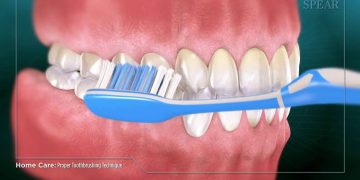
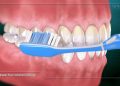
The goal is plaque disruption, not enamel destruction. Use only a soft-bristled toothbrush and hold it with a gentle grip. Use small, circular or jiggling motions, focusing on one or two teeth at a time. Imagine you are massaging your teeth and gums, not scrubbing a tile grout. An electric toothbrush with a pressure sensor is an excellent investment, as it will alert you when you are applying too much force.
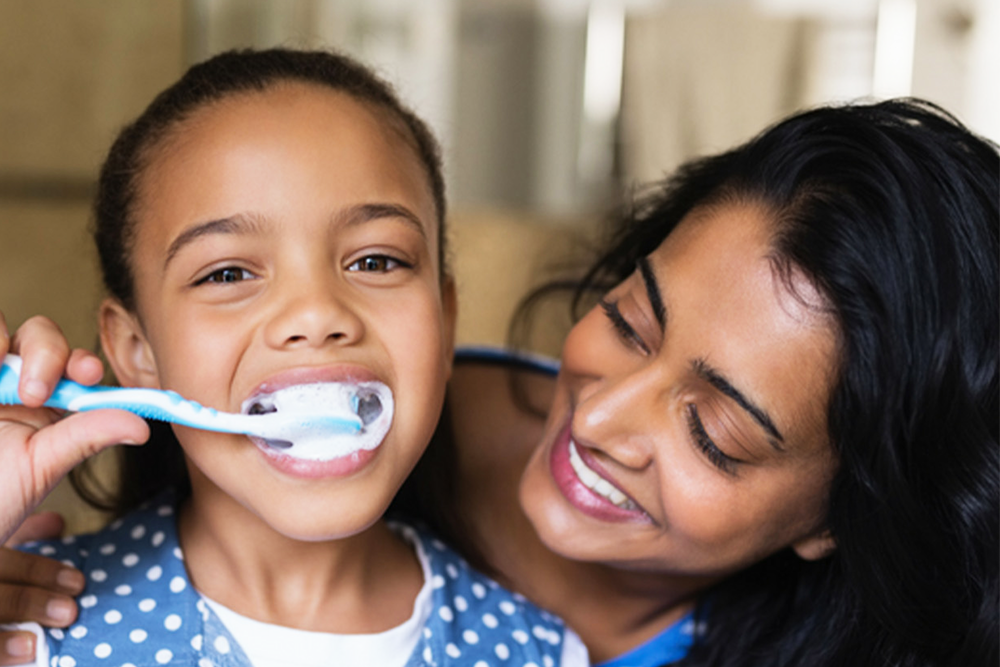
2. Washing Away Protection: The Critical Error of Rinsing After Brushing
This is perhaps the most universal mistake. The instinct to swish with a large mouthful of water after brushing feels natural and clean, but it directly undermines the primary benefit of your toothpaste.
The Science of Fluoride:
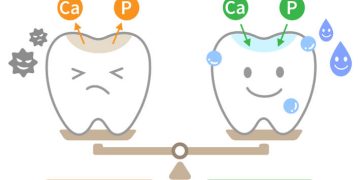
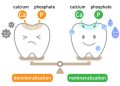
Fluoride toothpaste works by depositing a layer of calcium fluoride onto the enamel surface. This layer acts as a reservoir. When acids from plaque and food attack the teeth, fluoride is released, helping to remineralize the enamel and reverse early decay. This process requires time and contact.
The Mistake and Its Consequence:
Immediately rinsing with water after brushing washes away this concentrated fluoride layer before it has time to integrate with the enamel. You are quite literally sending the active, protective ingredient down the drain, reducing your toothpaste to little more than a flavored abrasive.
The Correction:
After brushing, spit out the excess toothpaste foam, but do not rinse. You can rinse away any large, leftover bits, but allow the thin, minty film to remain on your teeth. If the feeling is uncomfortable, use a very small, targeted splash of water or a fluoride mouthwash as the final step, not water. This ensures the fluoride continues to work for hours after you’ve finished brushing.
3. The Rinse Misstep: Common Mouthwash Misuse
Mouthwash is often used as a final flourish, a burst of freshness to signal the end of the routine. However, its timing and type are frequently misjudged.
The Timing Error:
Using mouthwash immediately after brushing rinses away the concentrated fluoride from your toothpaste, as described above. You are chemically undoing the mechanical cleaning you just performed.
The Type Error:
Many popular mouthwashes contain a high percentage of alcohol. While effective as an antiseptic, alcohol is extremely drying to the oral tissues. A dry mouth (xerostomia) is a vulnerable mouth, as saliva is essential for neutralizing acids and remineralizing enamel. Using an alcohol-based rinse can create a rebound effect, leading to worse breath and a higher cavity risk over time.
The Correction:
Use mouthwash at a separate time from brushing. The ideal time is after a meal when you cannot brush, as it helps to reduce bacteria and acidity. Choose an alcohol-free mouthwash with therapeutic ingredients like cetylpyridinium chloride (CPC) or fluoride. These provide the antibacterial or remineralizing benefits without the detrimental drying effect.
4. The Snap and Pop: The Ineffectiveness of Incorrect Flossing
Flossing is a cornerstone of oral health, but a flawed technique renders it almost useless and can even cause harm.
Common Technique Failures:
- Snapping the Floss: Forcing the floss between tight teeth by snapping it down traumatizes the delicate gum tissue, causing pain, bleeding, and contributing to recession over time.
- Sawing Motion: Using a back-and-forth sawing motion only cleans the space between teeth, not the all-important tooth surfaces.
- Skipping the Sides: Popping the floss straight in and out misses the point entirely. The goal is to clean the sides of the teeth where plaque accumulates.
The Correction:
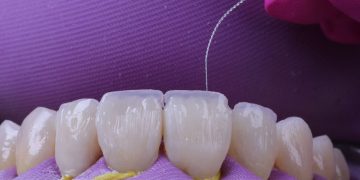
Use a gentle rocking motion to guide the floss between teeth. Once through, curve the floss into a C-shape against one tooth. Slide it up and down, rubbing the side of the tooth and dipping slightly below the gumline. Then, curve the floss in the opposite C-shape to clean the adjacent tooth. Use a clean section of floss for each tooth to avoid redistributing bacteria.
5. The Hidden Health Hazard: The Downside of Expired Hygiene Tools
Oral care tools have a functional lifespan, and using them beyond their prime reduces their efficacy and can introduce new risks.
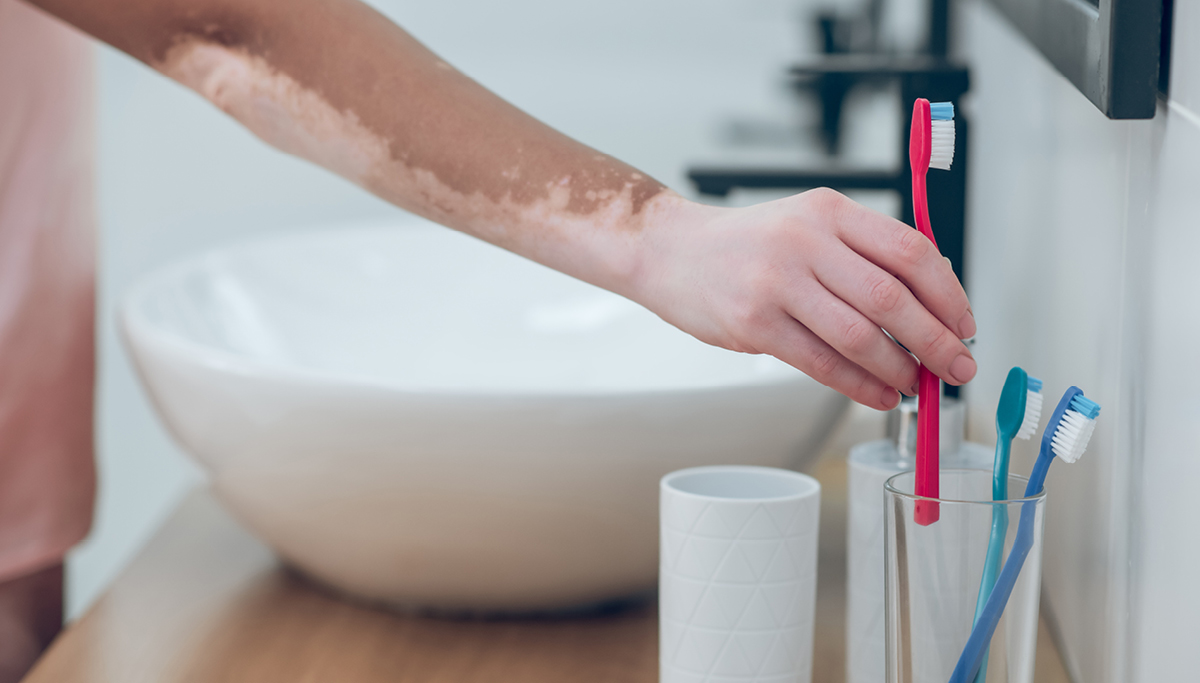
- The Frayed Toothbrush: A toothbrush with splayed, frayed bristles is mechanically ineffective. It cannot properly reach into crevices or disrupt plaque biofilm. Furthermore, frayed bristles are sharper and can more easily damage gum tissue. Replace your toothbrush (or brush head) every 3-4 months, or sooner if the bristles show wear.
- Old Floss: While floss itself doesn’t technically “expire,” a container that has been in a damp bathroom for years can harbor bacteria and mold. If the floss is brittle, has an off smell, or the container is visibly dirty, it’s time for a new one.
- Expired Mouthwash and Toothpaste: The active ingredients in these products, such as fluoride and antibacterial agents, can degrade over time, making them less effective. Check for expiration dates, and discard any products that are past their prime.
Conclusion: From Unconscious Error to Conscious Excellence
Perfect oral health is achieved not through aggressive force or complex rituals, but through consistent, intelligent, and gentle care. The common mistakes we make are often born from a desire to do well, but without the correct knowledge, our efforts can be counterproductive.
By replacing the habit of hard brushing with a gentle massage, changing a simple rinsing ritual, using mouthwash at the right time with the right formula, mastering a thorough flossing technique, and maintaining fresh, effective tools, you transform your daily routine from a potential source of long-term damage into a powerful engine of prevention. This conscious approach ensures that your dedication to oral care translates directly into a healthier, stronger, and more resilient smile for life.








Discussion about this post