

















Tooth erosion is one of the most underestimated oral health problems—slow, silent, and often dismissed until visible damage appears. Unlike cavities, which are caused by bacteria, erosion happens when acids wear away the outer enamel layer, leaving teeth weaker, more sensitive, and more vulnerable to future problems. Understanding how erosion develops, what daily habits secretly contribute to it, and how to respond early can make the difference between maintaining a healthy smile and facing costly restorative treatments later.
Below, we explore the full picture of tooth erosion—from root causes to prevention—based on the five-part outline you provided.
1. What Role Does Acid Exposure Play in Tooth Erosion?
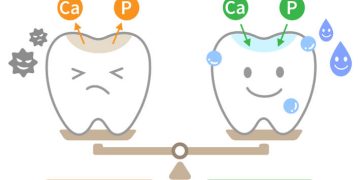
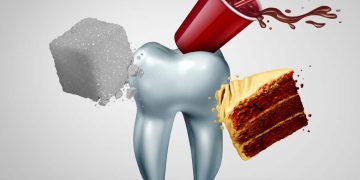
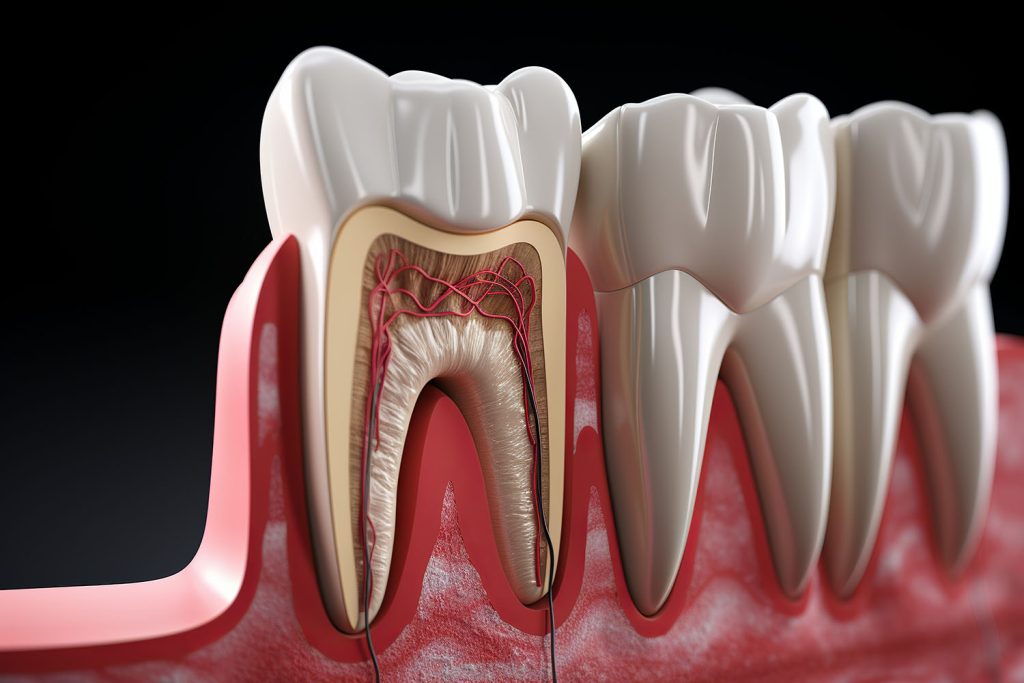
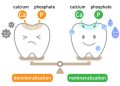
Acid exposure is the primary driver of enamel erosion. Enamel is the hardest substance in the human body, but even it has limits. When exposed to acids—either from foods, drinks, or the stomach—its crystalline structure begins to dissolve. Over time, the enamel becomes thinner, smoother, and less capable of protecting the softer dentin underneath.
Extrinsic Acids: What Comes From Outside the Body
These are acids introduced through diet and lifestyle:
Citrus fruits and juices
Oranges, lemons, grapefruits, and juices may be rich in vitamin C, but their pH levels are low enough to soften enamel. Sipping these drinks steadily throughout the day keeps the mouth in an acidic state for hours.
Carbonated beverages
Sodas (both regular and diet), sparkling waters, and energy drinks contain a combination of citric acid, carbonic acid, and phosphoric acid. Even sugar-free versions can be highly erosive.
Sports and electrolyte drinks
Often marketed as healthy or hydrating, they are surprisingly acidic, especially when consumed during exercise when saliva flow is reduced.
Vinegar-based foods
Pickles, salad dressings, and fermented foods contain acetic acid that can weaken enamel over time.
Alcoholic beverages
Wine, in particular, is acidic, and frequent sipping can create a prolonged erosive environment.
Intrinsic Acids: What Comes From Inside the Body
These acids originate from the stomach and reach the mouth due to medical conditions or lifestyle factors:
- GERD (acid reflux): Stomach acid repeatedly flows upward, directly contacting tooth surfaces.
- Eating disorders such as bulimia: Frequent vomiting bathes the teeth in extremely strong gastric acid.
- Pregnancy-related reflux: Hormonal changes can increase episodes of heartburn that affect dental enamel.
- Chronic vomiting related to illness, medication side effects, or alcohol use can also be a major contributor.
Intrinsic acid exposure often causes more severe erosion because stomach acid is far stronger (pH ~1–2) than typical dietary acids.
2. What Hidden Daily Habits Are Quietly Wearing Down Your Teeth?
Many people unknowingly engage in routines that increase erosion risk. The damage accumulates slowly, which makes these habits particularly dangerous.
Sipping Drinks Instead of Finishing Them
Keeping acidic beverages in the mouth longer—sipping soda or iced lemon water throughout the day—extends acid exposure time dramatically.
Brushing Immediately After Eating
This well-intentioned habit can backfire. After an acidic meal or drink, enamel temporarily softens. Brushing too soon can scrub softened enamel away.
Mouth breathing
Dry mouth reduces saliva flow, weakening its natural protective abilities. People who sleep with their mouths open may wake up with temporarily softened enamel.
Chewing on vitamin C tablets
These tablets are highly acidic and often sit on tooth surfaces for long periods.
Using acidic whitening products
Certain over-the-counter gels and rinses with low pH can contribute to erosion when used excessively.
Constant snacking
Frequent eating prevents saliva from neutralizing acids between meals, keeping the mouth in a prolonged acidic state.
3. What Are the Early and Advanced Signs of Tooth Erosion?
Tooth erosion happens slowly, but the visual and sensory symptoms become more noticeable over time. Recognizing them early can prevent irreversible damage.
Early Signs
- Increased tooth sensitivity to cold, heat, sweets, or brushing
- Smooth, shiny tooth surfaces
- Glassy or translucent edges on front teeth
- Mild discoloration as enamel thins and yellow dentin shows through
Moderate Progression
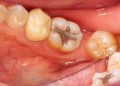
- Small dents or cupping on chewing surfaces
- Flattened molars
- Teeth appearing shorter
- Increased sensitivity when eating acidic foods
Advanced Erosion
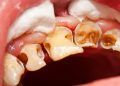
- Noticeably thin or brittle enamel
- Teeth chipping easily
- Dark yellow appearance due to exposed dentin
- Pain while chewing
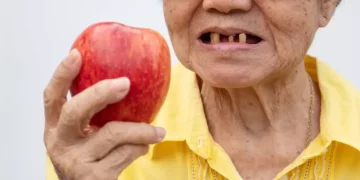
- Loss of normal tooth shape, requiring restorative treatment
Tooth erosion does not heal on its own. Once enamel is lost, only professional intervention can restore function and appearance.
4. What Treatment Options Can Address Tooth Erosion?
Treatment depends on the extent of the damage and the underlying cause. Dentists tailor strategies based on whether erosion is mild, moderate, or severe.
For Mild Erosion
- Fluoride varnishes or gels: Strengthen remaining enamel and reduce sensitivity.
- Remineralizing products: Toothpastes or creams containing CPP-ACP or arginine can help rebuild weakened surfaces.
- Lifestyle coaching: Guidance on dietary modifications, brushing techniques, or acid management.
For Moderate Erosion
- Bonding or composite resin fillings: Replace lost enamel on biting surfaces or repair small structural defects.
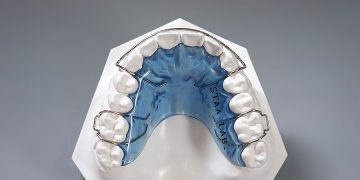
- Night guards: If erosion is combined with grinding (bruxism), a guard prevents mechanical wear on softened enamel.
For Severe Erosion
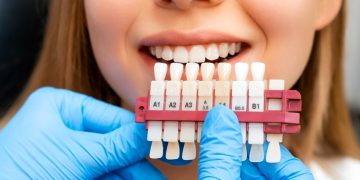
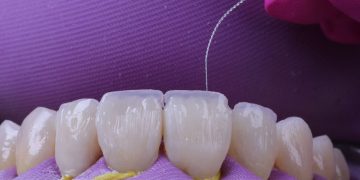
- Crowns or veneers: Restore proper shape, protect dentin, and improve appearance.
- Full mouth rehabilitation: In cases of widespread enamel loss, multiple restorations may be required.
- Medical treatment for underlying conditions:
- Referral for GERD management
- Support for eating disorder recovery
- Treatment of chronic vomiting causes
Ignoring severe erosion can lead to nerve exposure, infection, and eventual tooth loss.
5. How Can You Prevent Tooth Erosion Effectively and Sustainably?
Erosion prevention centers on reducing acid exposure, strengthening enamel, and improving oral habits.
Smarter Eating and Drinking Habits
- Limit acidic beverages and choose water whenever possible.
- Drink acidic liquids quickly rather than sipping over long periods.
- Use a straw to keep acids away from teeth.
- Avoid swishing or holding drinks in the mouth.
- Rinse with water after eating acidic foods.
Protective Oral Hygiene Practices
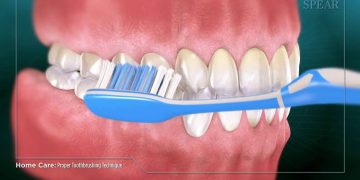
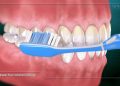
- Wait 30 minutes to 1 hour before brushing after consuming acidic items.
- Use a soft-bristled toothbrush and fluoride toothpaste.
- Add fluoride mouth rinse to your routine if your dentist recommends it.
- Chew sugar-free gum to increase saliva flow.
Boosting Natural Protection
- Stay hydrated to support saliva production.
- Address mouth breathing or sleep apnea if present.
- Avoid excessive use of acidic whitening products.
Managing Medical Conditions
- Treat acid reflux with guidance from a healthcare professional.
- Seek support for eating disorders—this is essential for both dental and overall health.
- If vomiting is frequent due to illness or medication, rinse with baking soda solution (1 teaspoon in a cup of water) to neutralize acids before brushing.
Conclusion: Why Acting Early Matters
Tooth erosion may develop quietly, but its long-term impact on dental health, function, and aesthetics is significant. By understanding the role of acid exposure, recognizing hidden daily contributors, spotting early symptoms, and adopting preventive habits, you can protect one of your body’s most valuable structures—your enamel. Whether you’re already experiencing sensitivity or simply want to safeguard your future oral health, taking thoughtful actions now will keep your smile stronger for years to come.







Discussion about this post