



















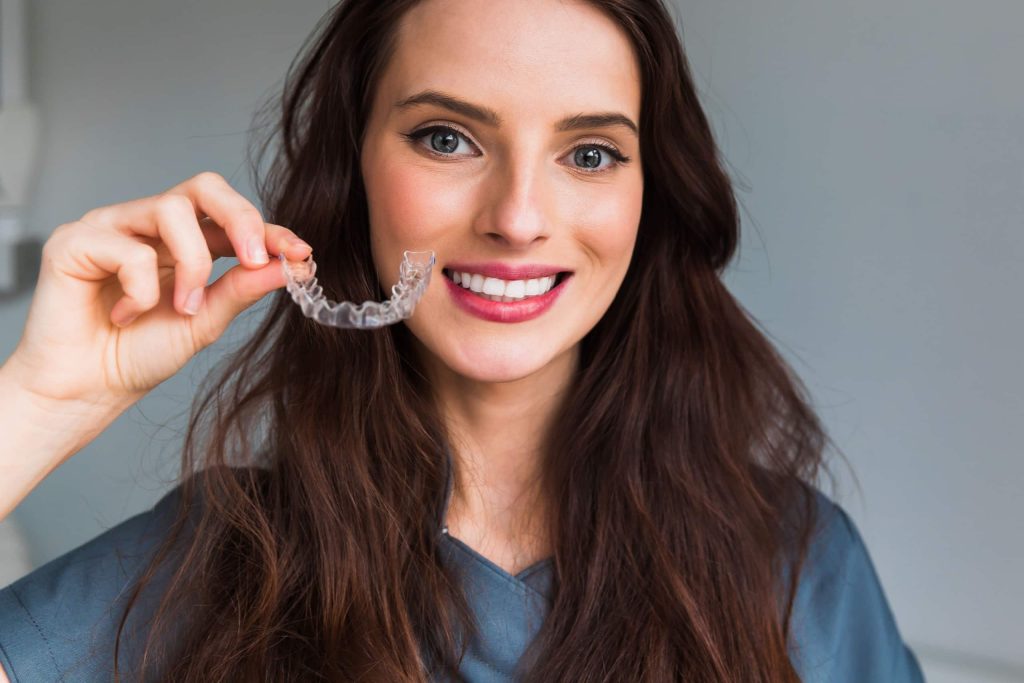
The quest for a straighter smile has evolved dramatically from the days of conspicuous metal brackets and wires. Today, clear orthodontic aligners offer a discreet, comfortable, and increasingly popular path to a perfectly aligned smile. But for many, the process seems almost like magic: how can a simple piece of plastic, devoid of any metal or apparent force, guide teeth into a new position? The reality is far more sophisticated than mere magic. It is a masterful blend of cutting-edge digital technology, precise biomechanical engineering, and disciplined patient cooperation. This article pulls back the curtain on the hidden world of aligner therapy, revealing the intricate digital planning, the biological principles of tooth movement, the carefully orchestrated treatment timeline, and the critical role you play in your own transformation.
1. The Digital Blueprint: It All Starts with a Scan
The journey to a new smile no longer begins with messy, gag-inducing dental impressions. Instead, the process is launched with a clean, precise, and highly advanced digital scan.
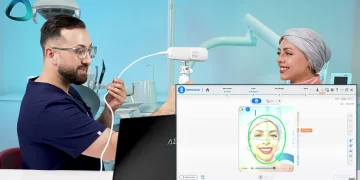
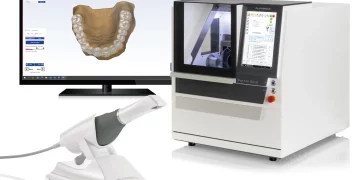
Intraoral Scanning: Your orthodontist or dentist uses a small, handheld wand equipped with a camera and light source to capture millions of data points from your teeth and gums. As they glide the scanner over your dental arches, a highly accurate 3D model of your entire mouth—including every groove, contact point, and bite alignment—is rendered in real-time on a screen. This digital model is the foundational blueprint for your entire treatment.
The ClinCheck® (or equivalent) Simulation: This is where the true planning begins. Using specialized software, your orthodontic provider designs the final position of your teeth. But more importantly, the software creates a step-by-step animated simulation of how your teeth will move from their current crowded state to their final, ideal positions. This simulation is not just a single movie; it’s a detailed treatment plan that breaks down the complex journey into a series of small, incremental movements. For each of these tiny steps, a unique, custom-fitted aligner will be 3D printed.
3D Printing and Fabrication: Once the treatment plan is approved, the digital file for each aligner in your series is sent to a lab. There, high-resolution 3D printers create a precise model of your teeth for each stage of treatment. Using a process called thermoforming, a sheet of medical-grade, multi-layer polymer plastic is heated and vacuum-pressed over each of these models. The result is your entire series of custom aligners, each one slightly different from the last, designed to exert specific forces on specific teeth.
2. The Gentle Push: The Biomechanics of Controlled Tooth Movement
The fundamental science behind how teeth move is the same for both aligners and traditional braces: controlled, light, and continuous force. Aligners achieve this not with wires, but with the strategic geometry of the plastic itself.
The Biology of Bone Remodeling: Teeth are not fused directly to the jawbone. They are held in place by the periodontal ligament (PDL), a network of tiny fibers that acts as a shock absorber. When an aligner is snapped onto the teeth, it is designed to be slightly tighter than the current tooth position. This applies a gentle, sustained pressure on the tooth, which compresses the PDL on one side and stretches it on the other.
- On the Pressure Side (Side of Movement): The compressed PDL signals cells called osteoclasts to resorb, or break down, the jawbone in that area, creating space for the tooth to move into.
- On the Tension Side (Opposite Side): The stretched PDL signals cells called osteoblasts to build new bone, filling in the space left behind by the moving tooth.
This constant cycle of bone resorption and deposition is how teeth migrate through the jawbone. The force from the aligner must be perfectly calibrated—too little force and nothing happens; too much force can cut off blood flow to the PDL, leading to root damage or tooth death.
How Aligners Generate Force: Unlike braces that pull teeth, aligners primarily work by applying targeted pressure points and “staging” certain teeth to act as anchors. The plastic is designed with specific features:
- Tooth-shaped “Bumps”: These are not just for tracking; they are engineered to grip the tooth and direct the force.
- “Power Ridges”: These are small, precise indentations in the aligner that apply a specific type of force for tasks like tilting a tooth or correcting its angle (torque).
- Attachments: These are small, tooth-colored composite bumps that your provider bonds to your teeth. They are not always needed, but they are crucial for more complex movements. The aligners have precisely shaped divots that snap over these attachments, providing a handle for the aligner to push, pull, or rotate a tooth in a way that would be impossible with smooth plastic alone.
3. The Journey, Not a Sprint: Understanding Realistic Treatment Timelines
Aligners work on the principle of “slow and steady wins the race.” The treatment is meticulously planned as a series of small, safe movements, and the timeline reflects this biological reality.
The Phases of Movement: A typical treatment plan is broken down into distinct phases:
- Alignment: The initial phase focuses on correcting crowding and spacing, moving the teeth into a more regular arch form.
- Correction: This middle phase addresses specific bite issues, such as overbite, underbite, or crossbite, by moving entire groups of teeth.
- Finishing and Detailing: The final phase involves tiny, precise adjustments to perfect the position of each tooth, ensuring ideal contacts, angulation, and aesthetics.
The “Two-Week Rule”: Most aligner systems operate on a schedule of changing to a new set of aligners every 1 to 2 weeks. This timeframe is not arbitrary; it is the biological sweet spot. It allows enough time for the bone-remodeling process to occur stably and comfortably, but not so much time that the treatment becomes inefficient. More complex movements or stubborn teeth may require longer wear time per aligner.
Total Treatment Duration: The total length of treatment varies widely, typically ranging from 6 to 24 months, depending on the complexity of the case. Minor crowding can be resolved quickly, while severe malocclusions or cases requiring significant tooth rotation will take longer. It’s important to note that the end of the active aligner phase is not the end of treatment. A retention phase is absolutely critical to maintain your new smile.
4. The Patient’s Part: Why Your Compliance is the Master Key
The most perfectly planned treatment in the world will fail without one crucial component: you. Aligners represent a shift of responsibility from the orthodontist to the patient, and compliance is non-negotiable.
The 20-22 Hour Rule: For aligners to work as intended, they must be worn for the recommended 20 to 22 hours per day. This provides the consistent, continuous force required for effective bone remodeling. Removing them for more than a few hours allows the teeth to start shifting back towards their original position, a phenomenon called “relapse.” This not only halts progress but can make the current aligner painfully tight and derail the entire treatment plan.
The Domino Effect of Non-Compliance: Skipping wear time doesn’t just pause your treatment; it can create a cascade of problems. If your teeth do not reach their intended position for that stage, the next aligner in the series will not fit properly. This can lead to tracking errors, where the aligner no longer makes full contact with the tooth surface, rendering it ineffective. Correcting this often requires a mid-course correction, which involves new scans and a new set of aligners, adding significant time and cost to your treatment.
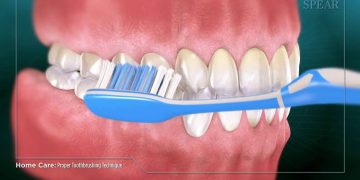
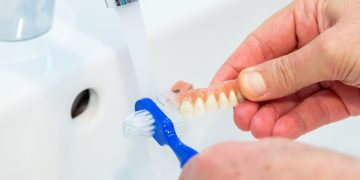
Proper Care and Handling: Aligners must be removed for eating and drinking anything besides water. They should be cleaned regularly with a soft toothbrush and cool water—never hot, which can warp the plastic. Storing them in their provided case when not in wear is essential to prevent loss or damage.
5. Weighing the Options: A Clear-Eyed Look at the Pros and Cons
While aligners are a revolutionary tool, they are not the perfect solution for every person or every dental problem. A balanced understanding of their advantages and limitations is key to making an informed decision.
Pros:
- Aesthetics: The number one reason for their popularity—they are virtually invisible.
- Comfort: With no metal brackets or wires to cause mouth abrasions, they are generally more comfortable. Any discomfort is typically a temporary, dull pressure when switching to a new aligner.
- Removability: This allows for normal eating, drinking, brushing, and flossing, promoting better oral hygiene throughout treatment compared to fixed braces.
- Predictability: The digital treatment plan provides a clear preview of the expected outcome and journey.
- Fewer Appointments: Requires less frequent check-ups than traditional braces, often every 8-12 weeks.
Cons:
- Discipline-Dependent: Success hinges entirely on patient compliance. They are easy to forget or be tempted to leave out.
- Not for All Cases: Severe skeletal discrepancies, significant tooth rotations, or cases requiring the extrusion or intrusion of teeth may still be better served by traditional braces or other orthodontic appliances.
- Can Affect Speech: Some people experience a temporary lisp when they first start wearing a new set of aligners.
- Cost: The cost is often comparable to traditional braces but can sometimes be higher.
- Inconvenience: The constant cycle of removing them for meals and cleaning can be socially awkward or inconvenient.
Orthodontic aligners are a testament to the power of digital innovation applied to biological science. They are not passive pieces of plastic but active, sophisticated medical devices engineered to orchestrate a complex biological dance within your jaw. Their success, however, is a partnership—a fusion of precise digital planning, the body’s innate ability to remodel, and your unwavering commitment to wearing them as directed. By understanding the remarkable science happening behind the scenes, you can fully appreciate the process and become an empowered, active participant in achieving the healthy, beautiful smile you deserve.










Discussion about this post