





















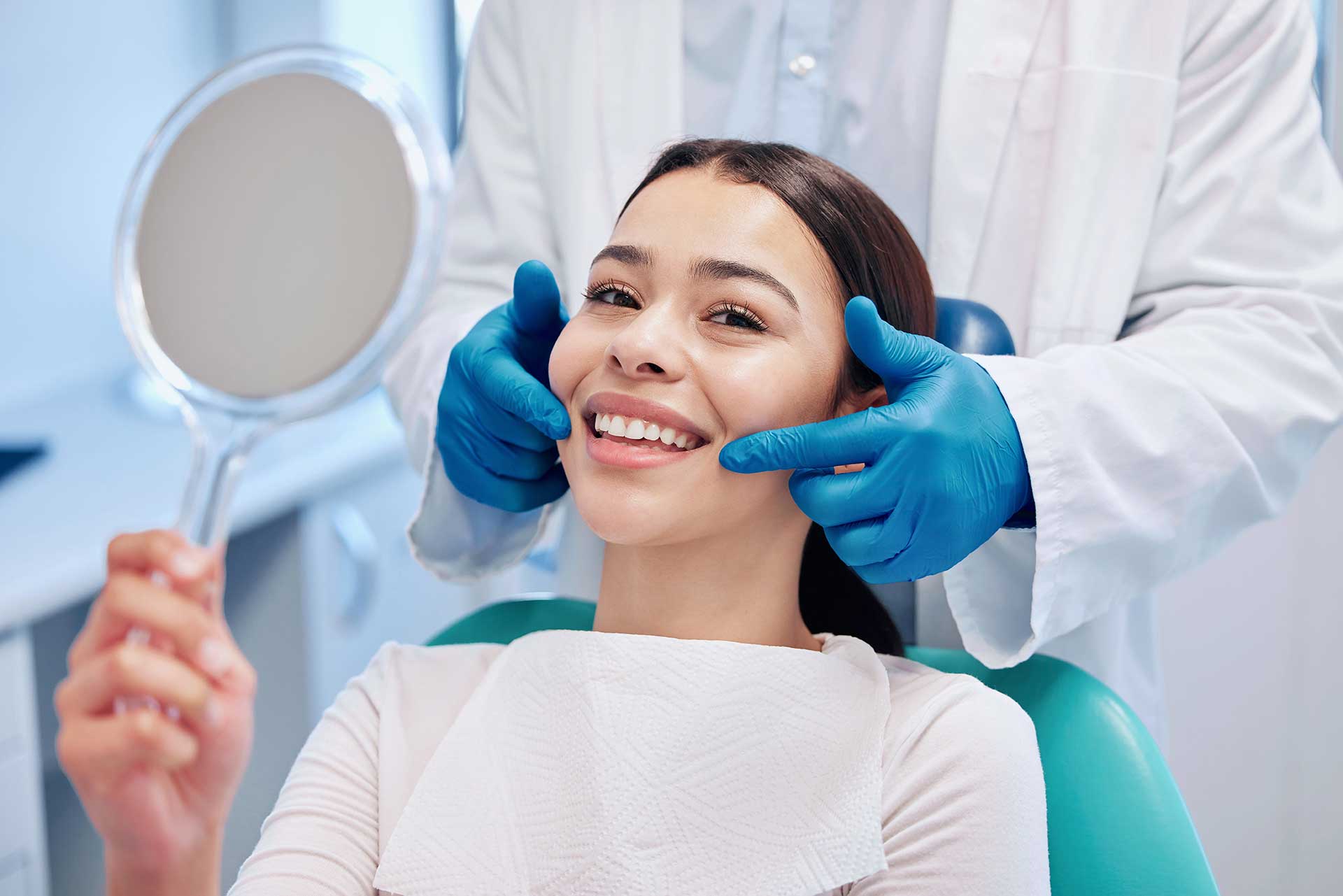
A “Hollywood smile” has become the universal symbol of flawless beauty—bright, symmetrical, white, and camera-ready. The term brings to mind perfectly aligned teeth, porcelain veneers, and a dazzling glow that seems effortlessly natural. But while the aesthetic appeal is undeniable, the reality behind these transformations is far more complex.
This in-depth article explores what defines a perfect smile, the limitations of achieving one, the ethical considerations involved, the alternatives that may be more practical, and what it takes to maintain such a smile long-term.
1. What Actually Defines a “Perfect” Smile?
The Hollywood smile is a curated concept shaped by film, media, and cosmetic dentistry trends. Its features often include:
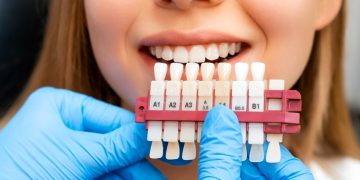
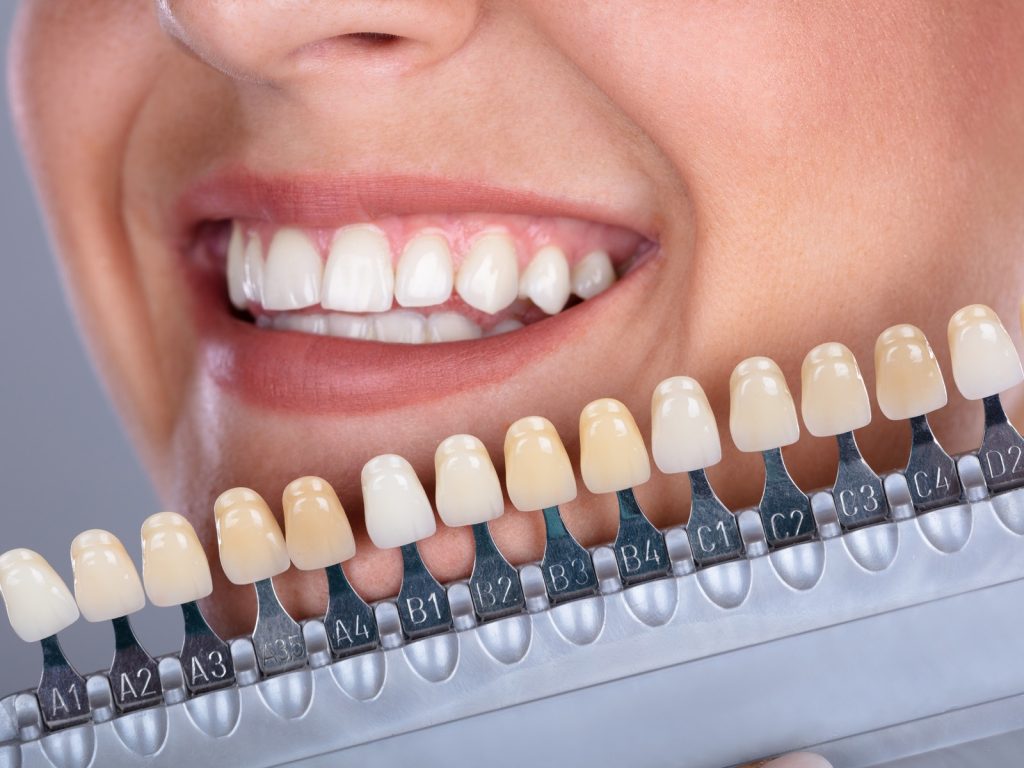
Ultra-White Teeth
Often significantly whiter than natural enamel, these shades may be achieved through professional bleaching or veneers. Hollywood standards tend to favor brightness that exceeds natural tooth coloration.
Ideal Symmetry
Symmetry plays a major role in perceived attractiveness. A Hollywood smile typically includes:
- Even tooth shapes
- Consistent proportions
- A uniform gum line
- Central alignment with the facial midline
Straight, Well-Aligned Teeth
Even small imperfections—mild crowding, rotation, or spacing—are eliminated through orthodontics or cosmetic enhancements.
Full, Balanced Smile Arc
Teeth often follow the curvature of the lower lip, creating a youthful, harmonious appearance.
Uniform Texture and Shape
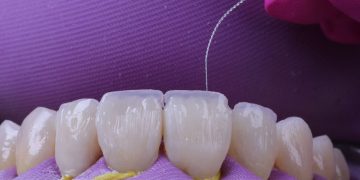
Porcelain veneers are commonly used to:
- Smooth inconsistencies
- Correct chips
- Enhance length or width
- Create a polished, sculpted look
But while these characteristics are widely admired, a “perfect” smile is ultimately subjective. Cultural, personal, and anatomical factors all play a role in defining one’s ideal smile.
2. What Are the Limitations of Achieving a Hollywood Smile?
Despite its popularity, not everyone can—or should—aim for a Hollywood smile without understanding the limitations.
Biological Limitations
Every person’s oral health and anatomy are unique.
- Thin enamel may not support whitening or veneers.
- Gum disease must be treated before cosmetic work.
- Bite problems (overbites, underbites) may require lengthy orthodontic correction.
- Tooth shape and size can limit how natural or aesthetic veneers will look.
Some patients simply do not have the anatomical foundation for dramatic transformation without significant dental intervention.
Financial Limitations
Hollywood-level cosmetic dentistry is expensive. Costs may include:
- Orthodontic treatment
- Veneers (often 8–20 teeth)
- Professional whitening
- Gum contouring
- Crown lengthening
- Routine maintenance
The full cost can reach tens of thousands of dollars, placing it far outside many budgets.
Time and Commitment Limitations
A Hollywood smile is rarely achieved in a single visit.
Patients must be prepared for:
- Multiple appointments
- Temporary restorations
- Follow-up adjustments
- Ongoing dental evaluations
Significant transformations often take months to complete.
Psychological Limitations
Some people feel pressure to conform to unrealistic beauty standards. Pursuing perfection can:
- Create dissatisfaction with natural features
- Increase anxiety about appearance
- Encourage overly aggressive cosmetic procedures
Understanding personal motivations is key before committing to irreversible changes.
Ethical Limitations in Dentistry
Responsible dentists avoid unnecessary removal of healthy tooth structure. Hollywood smiles often involve aggressive preparation, which may not be ethically justifiable for minor flaws.
3. What Ethical Questions Arise in Pursuing a Hollywood Smile?
Modern cosmetic dentistry must balance aesthetic desires with health-first principles.
Is It Ethical to Remove Healthy Tooth Structure?
Veneers often require irreversible enamel reduction. Over-preparation can lead to:
- Tooth sensitivity
- Structural weakness
- Increased risk of future complications
Ethical dentistry prioritizes minimal intervention.
Are Patients Being Influenced by Unrealistic Standards?
Social media filters, celebrity veneers, and digital edits may distort what is realistic. Dentists must educate patients on:
- Natural variations in tooth color
- The pros and cons of each procedure
- Limitations of materials and longevity
This helps maintain healthy expectations.
Informed Consent and Transparency
Patients must understand:
- Costs
- Risks
- Maintenance requirements
- Lifespan of restorations
- Potential for future replacements
A Hollywood smile can be life-changing, but it should never come as a surprise how much effort it requires to maintain.
Balancing Aesthetics with Function
A smile should look beautiful, but function always comes first. Ethical dentists ensure:
- The bite remains stable
- Teeth are not over-lengthened
- Veneers do not compromise chewing
- Gum health is not sacrificed
A Hollywood smile that harms oral health is never a good outcome.
4. What Alternatives Exist for Those Who Can’t or Don’t Want a Hollywood Smile?
Not everyone needs—or wants—the full Hollywood makeover. Many alternatives offer beautiful, more natural results with less cost or invasiveness.
Professional Teeth Whitening
A simple whitening treatment can refresh a smile dramatically without altering tooth structure.
Orthodontics (Braces or Aligners)
Clear aligners like Invisalign can:
- Straighten teeth
- Reduce crowding
- Improve bite alignment
- Enhance the natural smile arc
No tooth removal required.
Minimal-Prep or No-Prep Veneers
These ultrathin veneers require little to no enamel reduction, providing a more conservative approach than traditional veneers.
Composite Bonding
Composite can correct:
- Chips
- Gaps
- Minor asymmetry
It’s affordable and reversible, although less durable than porcelain.
Gum Contouring
For a “gummy” smile, reshaping the gum line can create a more balanced appearance without touching the teeth.
Smile Design Focusing on Natural Results
Some people prefer:
- Slight asymmetry
- Mild imperfections
- Softer contours
- Natural shades instead of bright white
This approach aligns with trends toward authenticity rather than uniformity.
5. What Maintenance Is Required for a Hollywood Smile?
A glamorous, camera-ready smile demands ongoing care.
For Veneers and Cosmetic Restorations
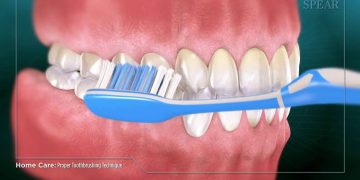
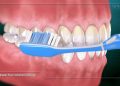
- Brush twice daily with non-abrasive toothpaste.
- Floss carefully to avoid damaging margins.
- Use a night guard to prevent wear from grinding.
- Attend professional cleanings every 3–4 months.
- Avoid chewing ice, hard candy, or pens.
Porcelain may last 10–20 years, but it will eventually require replacement.
For Whitening
Whitening results fade with:
- Coffee
- Tea
- Red wine
- Smoking
- Dark foods
Touch-up whitening every 6–12 months may be necessary.
For Orthodontic Results
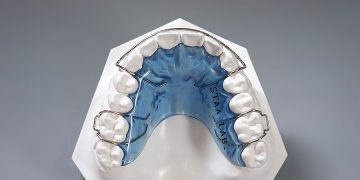
Retention is essential. Patients who do not wear retainers consistently may experience relapse.
For Gum and Oral Health
A Hollywood smile is only as good as the health of the gums that support it. Maintaining periodontal health is vital—especially for veneer longevity.
Conclusion: Is a Hollywood Smile Right for Everyone?
While a Hollywood smile may seem universally desirable, it comes with biological, ethical, financial, and maintenance considerations. It is not the ideal choice for everyone, and it is not the only pathway to a beautiful, confident smile.
A realistic approach balances aesthetics with long-term health, comfort, and personal values. For many, subtle improvements or minimally invasive alternatives can be just as empowering without the heavy trade-offs.
A truly perfect smile is one that looks natural, functions well, and helps you feel like the best version of yourself—Hollywood or not.










Discussion about this post