













For decades, the primary question in restorative dentistry was simple: what material is strong and durable enough to fix the tooth? The answer often led to a choice between silver amalgam and gold, materials valued for their longevity but chosen with little consideration for their interaction with the rest of the body. Today, a paradigm shift is underway. The field is moving beyond mere functionality toward a philosophy of holistic integration. The rise of biocompatible dental materials marks a new era where the question is no longer just “Will it last?” but also “Is it compatible with my body and the environment?” This movement is driven by a growing understanding of biological responses, patient-specific needs, and a global push for sustainability. This article explores the world of biocompatible dentistry, delving into the types of materials now available, the real risks of dental allergies, their surprising environmental benefits, how they perform compared to traditional options, and what the future holds for this patient-centered approach.
1. Beyond Mercury: A New Generation of Biocompatible Materials
Biocompatibility refers to a material’s ability to perform its desired function without eliciting any undesirable local or systemic effects in the patient. The modern dental arsenal has expanded far beyond the metals of the past.
Resin Composites: These are the tooth-colored materials now standard for fillings. Composed of a plastic resin matrix embedded with glass or ceramic filler particles, they bond micromechanically to the tooth structure. This bonding capability is a key biocompatible advantage, as it often requires less removal of healthy tooth structure compared to amalgam, which relies on mechanical retention. Modern composites are continuously improving in strength, wear resistance, and polishability.
Glass Ionomer Cements (GICs): These materials represent a significant step in bioactive dentistry. They are made from a reaction between fluoroaluminosilicate glass and polyacrylic acid. Their key biocompatible feature is their ability to chemically bond to tooth structure and slowly release fluoride over time, which helps prevent recurrent decay around the restoration. This makes them especially valuable for high-caries-risk patients, root surface lesions, and as a lining under other restorations.
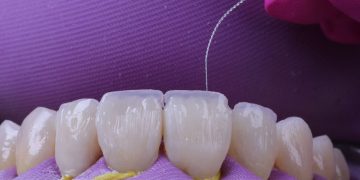
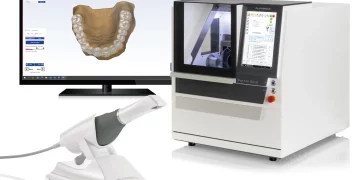
Ceramics (Zirconia and Lithium Disilicate): For crowns, bridges, and inlays, high-strength ceramics are the gold standard in biocompatibility. Materials like zirconia (incredibly strong and fracture-resistant) and lithium disilicate (known for its lifelike aesthetics) are inherently inert. They cause no galvanic reactions, are highly tissue-friendly, and their non-porous surface minimizes plaque adhesion. Because they are crafted using digital CAD/CAM technology, they offer a precision of fit that further promotes gingival health.
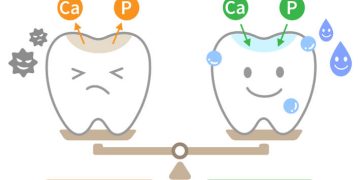
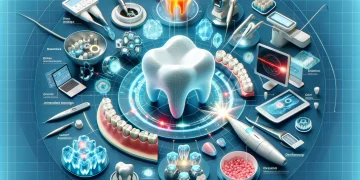
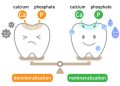
Bioactive Composites and Ceramics: This is the cutting edge of material science. These materials, such as the new class of “smart” composites and bioactive glasses, do more than just sit passively in the tooth. They actively participate in the oral environment by continuously releasing calcium, phosphate, and fluoride ions. This helps to remineralize adjacent tooth structure, effectively creating a protective, decay-resistant zone around the restoration.
2. The Hidden Sensitivity: Understanding Allergy and Reaction Risks
While serious reactions are rare, the potential for sensitivity or allergy to dental materials is a primary driver behind the biocompatibility movement.
Metal Hypersensitivity: This is the most well-documented issue.
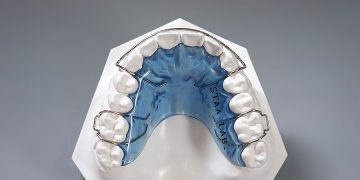
- Nickel: A common allergen found in some cheaper crowns, wires (especially in children’s orthodontics), and partial dentures. Reactions can range from localized contact stomatitis (inflammation in the mouth) to systemic skin rashes.
- Cobalt-Chromium: Used in some dental alloys, it can also cause allergic reactions in sensitive individuals.
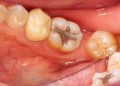
- Mercury: The debate over mercury in amalgam fillings has been contentious. While major health organizations assert that amalgam is safe for the general population, the potential for hypersensitivity in a small subset of individuals, coupled with ethical and environmental concerns, has driven the search for alternatives.
Resin Component Sensitivity: Even tooth-colored materials are not without potential issue. A very small percentage of patients may have sensitivities to components of the resin matrix, such as Bisphenol A (BPA) derivatives (like Bis-GMA) or the initiators used in the curing process. While most modern composites have vastly reduced or eliminated detectable BPA, for concerned or sensitive patients, BPA-free alternatives are available.
The Importance of Disclosure and Testing: A key tenet of biocompatible dentistry is patient transparency. Dentists practicing this philosophy will take a thorough medical history, including any known metal allergies or sensitivities. For patients with a complex history of autoimmune issues or multiple chemical sensitivities, in-office or laboratory biocompatibility testing can be performed. This typically involves sending a blood sample to a lab that tests for reactivity against a wide panel of dental materials, helping to guide the selection of the most appropriate, non-reactive options for that specific individual.
3. The Green Smile: The Overlooked Environmental Benefits
The choice of dental materials has implications that extend far beyond the mouth, contributing to a practice’s environmental footprint.
The Mercury Pollution Problem: Dental amalgam is approximately 50% mercury by weight. When amalgam fillings are placed or removed, and when waste is improperly handled, mercury can enter the wastewater stream. This mercury can then be converted into methylmercury, a potent neurotoxin that bioaccumulates in the food chain, particularly in fish. In response, many countries have implemented amalgam separators, which are mandatory devices in dental offices to capture mercury waste before it enters the sewer system.
The Lifecycle of Materials: Biocompatible materials often have a more favorable environmental profile.
- Composites and Ceramics: Their production and processing are generally free of heavy metals. Digital dentistry, which pairs with ceramic restorations, minimizes waste through precise milling, unlike the traditional “cast and toss” method of metal crown fabrication.
- Reduced Energy and Resource Use: The shift away from precious metals like gold reduces the environmental cost associated with mining. Furthermore, the digital workflow reduces the need for physical impressions, which saves on polyvinyl siloxane material and the plastic trays and shipping materials required to send them to a lab.
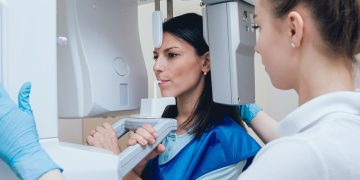
Sustainable Practice Operations: The philosophy of biocompatibility often aligns with a broader commitment to “green dentistry.” This can include using digital X-rays that reduce radiation and eliminate chemical developers, implementing paperless offices, and using steam sterilization instead of chemical vapor sterilizers, creating a healthier environment for both patients and staff.
4. Performance Under Pressure: How Biocompatible Materials Stack Up
The historical criticism of tooth-colored materials was that they couldn’t match the strength and longevity of metal. This gap has narrowed dramatically and, in many cases, closed entirely.
Durability and Longevity:
- Amalgam vs. Composite: Well-placed amalgam fillings in high-stress areas have a proven history of lasting 10-15 years or more. Modern posterior composites, when placed with perfect isolation and technique, can now demonstrate similar longevity. The failure of composites is often technique-sensitive, related to moisture contamination during placement, whereas amalgam is more forgiving.
- Gold vs. Ceramics: Gold has long been the benchmark for durability and gentle wear against opposing teeth. However, high-strength zirconia now surpasses gold in fracture strength and is the material of choice for patients with heavy biting forces. Lithium disilicate offers an excellent balance of strength and unparalleled aesthetics.
Functional and Aesthetic Advantages:
- Tooth Conservation: The adhesive nature of composites and ceramics allows for a “minimally invasive” approach, preserving more healthy tooth structure.
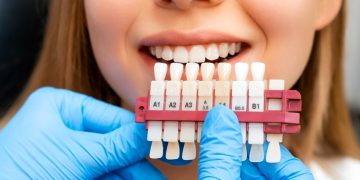
- Aesthetics: This is the most obvious advantage. Biocompatible materials can be matched precisely to the natural color and translucency of teeth, making restorations virtually undetectable.
- Thermal Insulation: Ceramics and composites are thermal insulators, unlike metals which can conduct hot and cold temperatures, potentially reducing post-operative sensitivity.
5. The Future of the Field: What’s Next for Biocompatible Dentistry?
The trajectory of dental materials points toward even greater integration with biology, moving from bio-compatible to bio-active and even bio-participatory.
Bioactive and Biomimetic Materials: The future lies in materials that don’t just replace tooth structure but actively encourage healing and regeneration. Researchers are developing advanced composites that can release antimicrobial ions or peptides to fight bacteria, and scaffolds that can guide the regrowth of dentin and pulp.
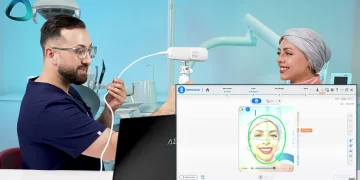
Digital Integration and AI: The fusion of digital scanning, 3D printing, and AI-driven design software will make biocompatible restorations faster, cheaper, and more accessible. 3D printing is already being used to create precise temporary crowns and surgical guides, and will soon extend to permanent, high-strength ceramic restorations.
Personalized and Predictive Dentistry: The ultimate goal is truly personalized care. In the future, your dental treatment could be informed by your genetic profile, microbiome analysis, and immune system characteristics. Biocompatibility testing could become routine, and materials could be custom-formulated to match an individual’s specific biological environment, maximizing success and minimizing any risk of reaction.
The rise of biocompatible dental materials is more than a trend; it is a fundamental evolution in dental care. It represents a commitment to treating the whole patient, not just the hole in the tooth. By choosing materials that work in harmony with the body, minimize environmental impact, and offer superior aesthetics and performance, modern dentistry is providing care that is not only effective but also responsible, safe, and aligned with the values of a health-conscious generation. The future of your smile is not just metal-free; it’s intelligently integrated.










Discussion about this post