























You pop a piece of gum after a meal to freshen your breath, or perhaps you chew to stay focused during a long afternoon. It’s a ubiquitous habit, a multi-billion dollar industry built on a simple act. But is this daily ritual silently strengthening your teeth or secretly setting the stage for dental problems and chronic pain? The answer, like the gum itself, is not black and white. Chewing gum exists in a stark duality; it can be a powerful tool for oral health or a destructive force, and the line between the two is defined by the type of gum you choose, how you chew it, and the underlying health of your jaw. This article will dissect the science behind chewing gum, separating the proven benefits from the potential pitfalls, and providing a clear guide to making this common habit a genuinely healthy one.
1. The Sweet Spot of Oral Health: The Proven Benefits of Sugar-Free Gum
When it comes to dental benefits, not all gum is created equal. Sugar-free gum is the undisputed champion, offering a suite of advantages that are backed by robust scientific evidence.
Stimulating the Mouth’s Natural Defense: Saliva. The single greatest benefit of chewing sugar-free gum is its powerful stimulation of saliva flow. Saliva is not just water; it is the mouth’s built-in protective and repair system. Chewing can increase saliva flow by up to ten times its resting rate. This surge provides three key benefits:
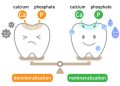
- Neutralizing Acid: After eating or drinking, the pH in your mouth plummets into the acidic range, creating an environment where enamel demineralization occurs. Saliva is slightly basic and works to rapidly neutralize these acids, shortening the “acid attack” and bringing the mouth back to a safe pH level much faster.
- Washing Away Debris: The increased flow helps to physically rinse away food particles and sugars that would otherwise be available for cavity-causing bacteria to feast on.
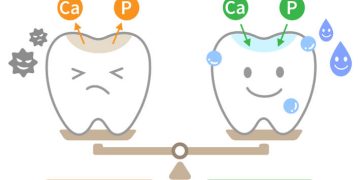
- Remineralization: Saliva is supersaturated with calcium and phosphate ions—the very building blocks of tooth enamel. This enhanced salivary flow bathes the teeth in these minerals, actively helping to repair the early, microscopic stages of decay before they become full-blown cavities.
The X-Factor: Xylitol and Other Sugar Alcohols. Many sugar-free gums are sweetened with xylitol, sorbitol, or mannitol. Xylitol, in particular, is a “non-cariogenic sweetener,” meaning it doesn’t cause cavities. But its benefits go beyond being passive; it’s actively protective. The bacteria that cause cavities (Streptococcus mutans) cannot metabolize xylitol. When they consume it, their energy production process is blocked, which reduces their ability to produce acid and stick to the teeth. Regular use of xylitol gum has been shown to reduce the levels of these harmful bacteria in plaque and saliva.
Other Benefits: Studies have also suggested that chewing gum can aid in focus and alertness, possibly by increasing blood flow to the brain. It can also help with ear pressure during flights and manage cravings, which can be beneficial for weight management.
2. When Chewing Becomes a Chore: The Risks of Jaw Strain and TMJ Disorders
While the benefits focus on the teeth, the risks primarily involve the complex machinery of the jaw—the temporomandibular joints (TMJ) and the muscles that control them.
Understanding TMJ Dysfunction. The TMJs are the two hinges connecting your jawbone to your skull. They are among the most complex joints in the body, allowing for both hinging and sliding motions. Chewing gum places this system under repetitive, sustained load. For most people, this is not a problem. But for others, it can lead to or exacerbate a condition known as Temporomandibular Disorder (TMD).
Symptoms of Overuse: Excessive gum chewing can lead to:
- Myofascial Pain: Aching pain in the muscles that control jaw, neck, and shoulder function.
- Clicking, Popping, or Grating in the jaw joint.
- Limited Jaw Movement or locking of the jaw.
- Headaches and Earaches, often mistaken for other conditions.
Who is at Risk? Individuals who already clench or grind their teeth (bruxism), those with pre-existing jaw issues, or people under significant stress are most susceptible. Chewing gum can train the jaw muscles to be constantly engaged, perpetuating a cycle of tension and pain.
3. A Double-Edged Sword: Potential Enamel and Restoration Concerns
Even sugar-free gum is not without its potential downsides for the hard structures of the mouth.
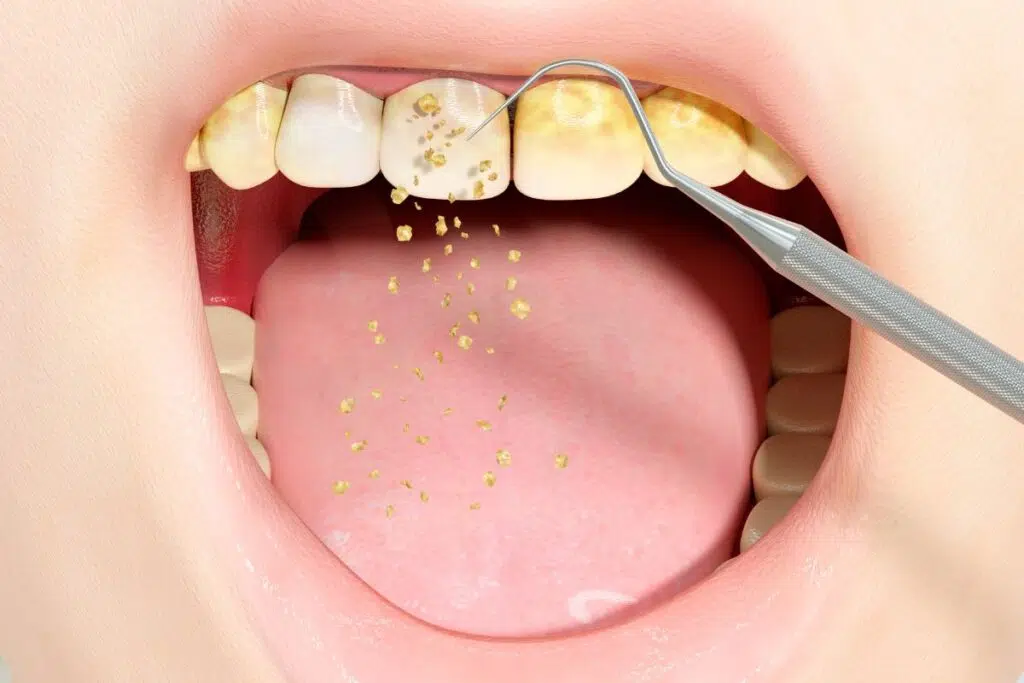
The Threat of Acidic Flavors. Some sugar-free gums, particularly those with intense, sour, or fruit flavors, achieve their taste profile through the addition of acidic ingredients like citric, malic, or tartaric acid. While the gum itself may be sugar-free, if its pH is low, it can directly contribute to enamel erosion, especially if chewed on an empty stomach or for prolonged periods. You are essentially bathing your teeth in a low-level acid bath, which can soften and dissolve the enamel surface over time.
The Mechanical Risks. The act of chewing is a powerful force. While it won’t harm healthy teeth, it can pose a risk to dental work.
- Fillings and Crowns: The repetitive motion and pressure can contribute to the wear and tear of composite fillings and the cement sealing of crowns, potentially leading to microfractures or loosening over many years.
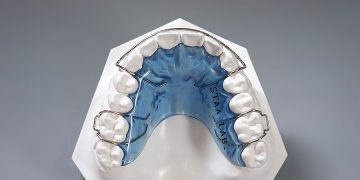
- Orthodontic Appliances: For individuals with braces, chewing gum is generally discouraged as it can easily bend wires, loosen brackets, and become hopelessly stuck in the hardware.
4. Making the Smart Choice: How to Pick the Best Gum for Your Health
Navigating the gum aisle with your oral health in mind requires a quick but informed checklist.
The Golden Rule: Sugar-Free is Non-Negotiable. Always choose gum sweetened with sugar alcohols like xylitol, sorbitol, or mannitol. Check the ingredients list to ensure sugar, glucose, or high-fructose corn syrup are not listed.
Prioritize Xylitol. When possible, choose a gum where xylitol is the first sweetener listed. The higher the concentration, the greater the protective benefit against cavity-causing bacteria.
Avoid “Extreme” or “Sour” Flavors. These are the most likely to contain erosive acids. Stick to classic mint or milder fruit flavors to minimize the risk of acid wear.
Consider the Base. Most modern gums use a synthetic rubber base, which is safe. However, some natural gum brands use chicle, a tree sap, which may be preferable for those seeking a more natural product.
5. Crafting a Healthy Habit: Smart Chewing Routines and Duration
To reap the benefits while avoiding the risks, moderation and timing are everything.
The 20-Minute Rule. Chew gum for about 20 minutes after a meal. This is the optimal window to stimulate the saliva flow needed to neutralize acids and aid in cleansing. Chewing for longer periods offers diminishing returns and increases the mechanical load on your jaw joints.
Listen to Your Body. Never chew through pain. If you experience any jaw soreness, clicking, or headaches, stop chewing immediately and give your jaw a rest for several days. This is your body’s signal that it’s being overworked.
Avoid “Marathon Chewing.” Don’t treat gum as an all-day affair. Using one piece after a meal is a targeted therapeutic strategy. Chewing constantly for hours turns a potential benefit into a probable liability for your jaw muscles and joints.
Know When to Abstain. If you have been diagnosed with TMD, active jaw pain, or have certain types of dental work (like new braces or a temporary crown), it is best to avoid chewing gum altogether until you have clearance from your dentist or orthodontist.
Chewing gum is a habit of contradictions. It can be a convenient aid for oral hygiene or a source of chronic pain and dental damage. The power lies entirely in your hands—and your jaw. By consciously choosing a sugar-free gum with xylitol, avoiding acidic and extreme flavors, limiting your chewing to short, post-meal sessions, and heeding the warning signs from your jaw, you can transform this simple habit from a potential enemy into a genuine ally for your oral health. The next time you unwrap that stick, make sure it’s a choice your smile—and your jaw—will thank you for.









Discussion about this post