






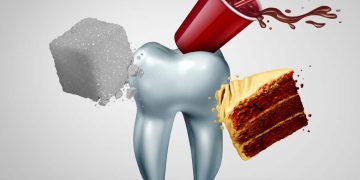











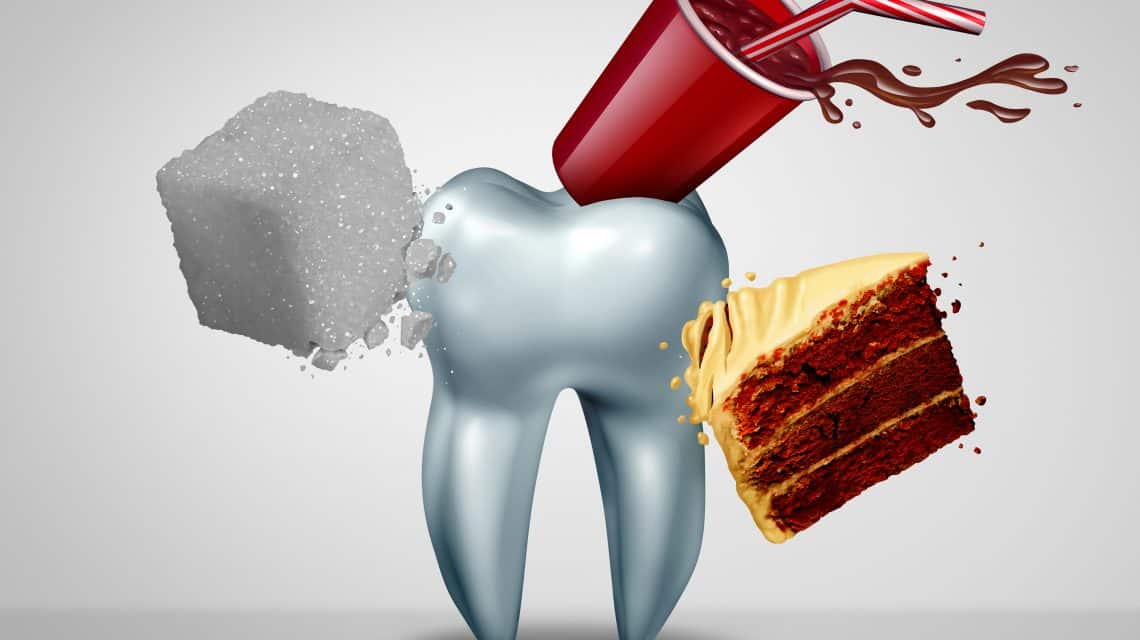
Most people think of cavities as the result of poor brushing or too much sugar, but when you eat may matter just as much as what you eat. Your mouth operates on natural cycles—saliva flow, pH shifts, acid-neutralizing periods—and these cycles determine how vulnerable your teeth are during different parts of the day. If you snack frequently, eat late at night, or graze nonstop, you may unintentionally be exposing your teeth to acids far more often than you realize.
Understanding meal timing and its connection to oral health gives you the power to reshape your habits, reduce cavity risk, and support long-term dental wellness. Let’s explore how the clock—and your eating pattern—affects your enamel.
1. Why Does Nighttime Snacking Increase Cavity Risk So Dramatically?
Nighttime eating is one of the strongest contributors to cavities, even in people who brush diligently. This happens for several reasons:
Saliva production drops at night
Saliva is your body’s natural defense against tooth decay. It:
- Neutralizes acids
- Washes away food particles
- Delivers minerals that rebuild enamel
But saliva flow decreases significantly during sleep. When you snack at night—especially after brushing—you expose your teeth to sugars and acids at a time when your mouth has minimal ability to protect itself.
Food sits on the teeth longer
Because saliva slows down:
- Sugar is not cleared effectively
- Acids from bacteria linger
- pH levels stay low for hours
Even a small snack can cause major harm if eaten right before bed.
Bad nighttime habits compound risk
Common patterns include:
- Snacking while watching TV
- Eating after brushing
- Drinking sugary beverages late
- Going to sleep without rinsing
These habits create an extended acid attack cycle lasting the entire night.
Worst offenders for nighttime snacking
- Cookies
- Bread or crackers
- Candy
- Ice cream
- Sweetened yogurt
- Juice or soda
Even starchy foods like chips or pretzels break down into sugar that sticks to teeth.
If you must eat at night occasionally, choose tooth-safe options like cheese, nuts, or hard-boiled eggs—and rinse with water afterward.
2. What Are “Acid Exposure Windows,” and Why Do They Matter?
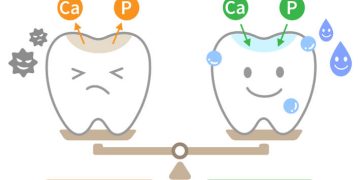
Every time you eat, mouth bacteria feed on carbohydrates and produce acids. This causes the pH in your mouth to drop for 20 to 45 minutes. During that time, enamel softens and becomes vulnerable.
Dentists refer to this as the acid exposure window.
Key facts about acid windows
- The more often you eat, the more often these windows occur
- Enamel cannot recover if the pH stays low continuously
- Acidic drinks (soda, wine, energy drinks) create longer exposure
- Frequent snacking stacks multiple acid windows into one long attack
In other words, cavity risk is based on frequency, not just amount.
Foods that create longer acid windows
- Sugary drinks
- Chewy candies
- Bread and crackers (they stick to teeth)
- Citrus fruits
- Vinegar-based foods
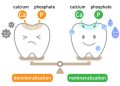
If acid exposure windows stack back-to-back, your teeth never get a chance to remineralize.
How to shorten an acid window
- Rinse with water
- Chew sugar-free gum
- Eat protective foods (cheese helps raise pH quickly)
- Drink beverages through a straw
Spacing meals correctly is a powerful way to protect enamel naturally.
3. Grazing vs. Structured Meals: Which Pattern Is Better for Your Teeth?
Many people graze throughout the day—having bites of snacks, sipping coffee, drinking sweetened tea, or eating “mini meals” constantly. Unfortunately, this habit dramatically increases cavity risk.
Why grazing harms teeth
Every snack creates a new acid exposure window. If you graze:
- pH levels stay low for hours
- Bacteria feed continuously
- Enamel does not recover
- Plaque becomes more acidic and damaging
Even healthy snacks like dried fruit, granola, or crackers can be problematic when consumed every hour.
Why structured meals are safer
When you eat defined meals:
- Acid windows occur only 2–4 times a day
- Teeth have long recovery periods
- Saliva can fully neutralize acids
- Enamel can remineralize naturally
Your mouth is designed to handle bursts of eating—not constant contact with food.
Drinks count as snacks
People often don’t realize that sipping:
- Coffee with syrup
- Bubble tea
- Soda
- Energy drinks
- Juice
- Sports drinks
…is essentially the same as eating a sugary snack.
The safest beverage between meals is plain water.
4. What Daily Schedule Tips Help Reduce Cavity Risk?
You don’t need to dramatically change your lifestyle to protect your teeth. A few adjustments to meal timing can significantly reduce decay.
Tip 1: Set a consistent meal schedule
Aim for:
- Breakfast
- Lunch
- Dinner
- Optional small snack
Cluster your eating rather than spreading it out all day.
Tip 2: Keep snacks close to mealtimes
This allows your mouth to enter one combined acid window instead of multiple smaller ones.
Example:
- Snack immediately after lunch instead of at 3 p.m.
Tip 3: Avoid sugary drinks between meals
If you enjoy soda, sweet tea, or juice:
- Consume them with meals
- Sip water afterward
Tip 4: Stop eating at least 2 hours before bed
This gives saliva time to clear sugars and normalize pH.
Tip 5: Hydrate throughout the day
Steady water intake supports saliva and remineralization.
Tip 6: Avoid sipping “slow drinks”
The longer your drink lasts, the longer your teeth are under attack.
Choose quick consumption or drink through a straw.
Tip 7: Pair acidic foods with protective foods
Cheese, nuts, and fibrous vegetables help buffer acids when eaten with acidic items.
5. What Long-Term Habits Support a Tooth-Friendly Lifestyle?
Meal timing becomes truly beneficial when supported by consistent long-term habits.
Long-term habit 1: Brush twice a day, but not right after acidic foods
Wait 20–30 minutes if you consume citrus, soda, wine, or vinegar.
Long-term habit 2: Use fluoride daily
Fluoride toothpaste and mouthwash strengthen enamel and reduce acid vulnerability.
Long-term habit 3: Maintain morning hydration
Your mouth wakes up dry—water immediately helps raise pH and start saliva flow.
Long-term habit 4: Reduce grazing culture
Stock your home and workplace with snacks that don’t cling to teeth or create acid spikes.
Long-term habit 5: Develop awareness of hidden snacking
Common high-risk behaviors:
- Keeping candy at your desk
- Sipping flavored coffee all morning
- Munching while stressed or bored
- Frequent tasting while cooking
Mindful eating protects both digestion and dental health.
Long-term habit 6: Prioritize nighttime oral care
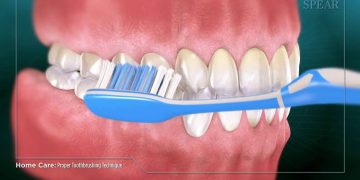
A proper brushing and flossing routine before bed reduces overnight bacterial activity.
Long-term habit 7: Schedule dental cleanings twice a year
Professional checkups help identify early enamel weakening and intercept cavities before they progress.
Final Thoughts: Does Timing Really Affect Your Teeth?
Absolutely. Cavity formation isn’t just about sugar—it’s about how often and when your teeth are exposed to it. Nighttime snacking, grazing, and frequent sipping keep your mouth in a constant acidic state, making decay almost inevitable. On the other hand, structured meals, adequate spacing, hydration, and smart habits give your enamel time to recover and strengthen.
By paying attention not only to what you eat but when you eat it, you can dramatically reduce cavity risk and support long-term oral health.






Discussion about this post