

















Digital Smile Design (DSD) has rapidly become one of the most transformative tools in modern cosmetic and restorative dentistry. Instead of relying solely on a dentist’s visual judgment or traditional molds, DSD uses advanced software, facial analysis, and digital modeling to create a predictable, customized, and visually guided treatment plan. But what does this technology truly mean for patients—both in terms of experience and outcomes? This article explores DSD through its defining features, real-world benefits, and future possibilities.
1. What Software Features Make Digital Smile Design So Powerful?
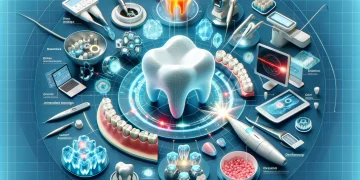
At the heart of DSD is a suite of sophisticated digital tools that allow dentists to design a smile in a way that is measurable, repeatable, and incredibly precise.
High-Resolution Imaging
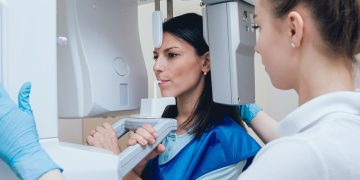
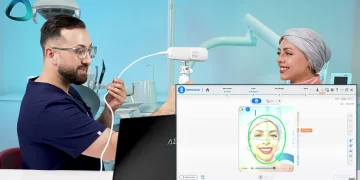
Dentists begin by capturing a series of digital photographs and videos from different angles. These visuals allow the software to analyze facial proportions, tooth visibility, and natural expressions.
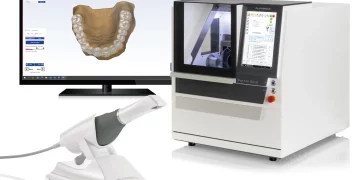
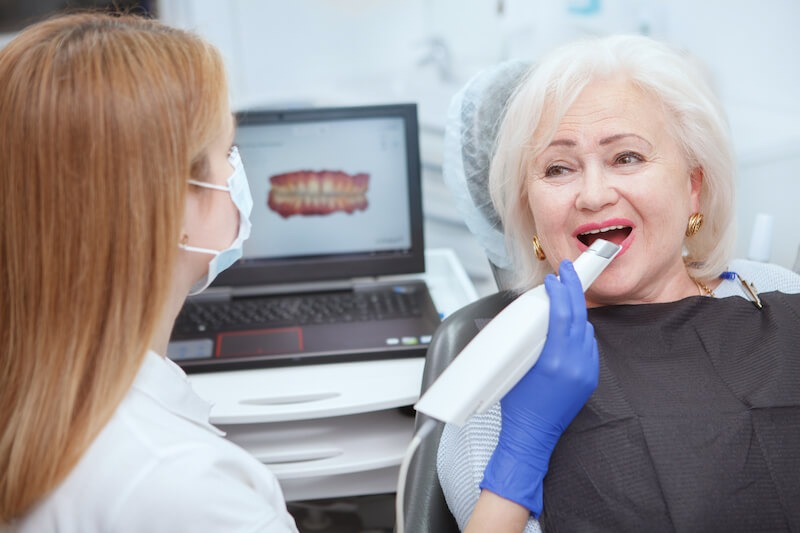
3D Scanning and Intraoral Imaging
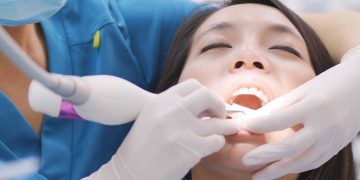
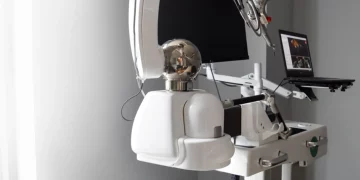
Modern scanners generate detailed 3D models of a patient’s teeth, gums, and bite. This eliminates the need for messy impressions and ensures accuracy down to fractions of a millimeter.
Dynamic Simulation Tools
Dentists can digitally manipulate tooth shape, position, color, and symmetry. These adjustments are visualized instantly, giving both dentist and patient a clear preview of the final result before any physical changes occur.
Digital Measuring Tools
Software calculates distances, angles, and symmetry lines that guide cosmetic enhancement. This ensures consistency and avoids guesswork.
Treatment Integration
Once the smile is designed, the digital model becomes the blueprint for procedures like veneers, orthodontics, crowns, and implants. Lab technicians, orthodontists, and cosmetic specialists can work from the same file, dramatically improving communication across a patient’s treatment team.
The result: a smoother experience, fewer errors, and greater control over the final aesthetic.
2. How Does Facial Symmetry Analysis Improve Smile Design?
Traditional dentistry often focused exclusively on the mouth. DSD shifts the focus to the entire face.
Understanding Facial Harmony
Every person has unique facial features—jaw shape, lip volume, cheek structure, and eye alignment. DSD evaluates all these elements to determine what type of smile will look natural and balanced.
This includes analyzing:
- Midline alignment
- Smile arc curvature
- Proportions of visible teeth
- Lip mobility and height
- Symmetry during speech and laughter
Real Expression Matters
Static photos can miss how a smile truly behaves. With DSD’s video capture, dentists observe dynamic expressions:
- Does the upper lip rise evenly?
- Do the corners of the mouth lift in harmony?
- How do the teeth show during relaxed, speaking, and full smiles?
This dynamic data ensures that final restorations don’t only look perfect in a photo—they look perfect in motion.
Customized, Not Standardized
Instead of a “one-size-fits-all Hollywood smile,” DSD produces a smile that fits your face, your personality, and your natural expressions.
3. How Does Predictive Modeling Help Patients See Results Before Treatment?
Predictive modeling is one of the greatest breakthroughs for patient comfort and decision-making.
Try-In Smiles—Before Anything Is Permanent
DSD creates virtual mock-ups that show the proposed outcome directly on a patient’s face. These simulations help patients visualize:
- Straightened teeth
- Whitened enamel
- Enhanced symmetry
- Adjusted tooth length or width
- Corrected gum lines
Mock-Up Wearing
Some clinics even 3D print a temporary version of the digital design, allowing patients to “test-drive” their new smile for a short period without altering their natural teeth.
Better Communication = Better Outcomes
With predictive models, patients can:
- Request adjustments
- Express preferences
- Set clear expectations
Because of this, the final result is far more predictable and satisfying.

4. What Are Real Case Examples of Digital Smile Design in Action?
Case Example 1: Minimally Invasive Veneers
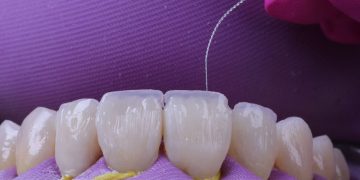
A patient who dislikes chipped, uneven front teeth can see how veneers will look before they are applied. DSD helps determine the exact shape and thickness needed to preserve the most natural tooth structure.
Case Example 2: Orthodontic Alignment
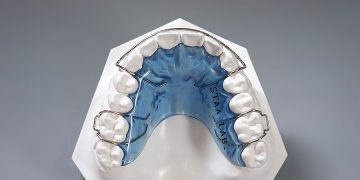
Instead of guessing how teeth will shift over time, DSD shows the complete movement path from start to finish. This pairs seamlessly with clear aligner treatment.
Case Example 3: Restoring Aging Smiles
DSD helps older patients restore tooth wear, prevent bite collapse, and re-establish facial proportions. Digitally testing tooth length and angles helps reverse an aged look.
Case Example 4: Full-Mouth Rehabilitations
For patients needing crowns, implants, or bite reconstruction, DSD offers a holistic visualization of the entire dental structure. This ensures the final result is functional, long-lasting, and aesthetically balanced.
Case Example 5: Gummy Smile Corrections
DSD evaluates gum height and lip mobility, allowing dentists to plan laser reshaping or orthodontic adjustments precisely.
All these examples highlight one message: DSD leads to a more confident decision-making process and a more predictable end result.
5. What Future Technologies Will Transform Digital Smile Design Even Further?
Digital dentistry is advancing so quickly that the next generation of tools is already emerging.
AI-Powered Smile Predictions
Artificial intelligence will soon evaluate facial data and propose optimal smile designs automatically. This speeds up planning while offering more design options.
Real-Time Augmented Reality (AR)
Imagine looking into a mirror and seeing your future smile projected onto your face in real time. AR dentistry is already being tested and will soon become mainstream.
Fully Automated Treatment Pipelines
From digital planning to robotic assistance in tooth preparation, technology will make procedures faster, safer, and more precise.
Personalized 3D Printed Restorations
Restorations—veneers, crowns, bridges—will eventually be printed on-site in dental offices with perfect accuracy, shortening treatment time dramatically.
Enhanced Facial Biometrics
Future systems will analyze emotions, personality traits, and lifestyle to help ensure the smile aligns with the patient’s identity.
The future is predictability, artistry, and personalization combined.
Conclusion: What Does Digital Smile Design Truly Offer Patients?
Digital Smile Design is more than a digital tool—it’s a transformative approach to dentistry that prioritizes collaboration, precision, and personalization. Patients gain:
- A visual roadmap of their treatment
- Predictable outcomes
- A natural-looking smile tailored to their facial structure
- More comfort, confidence, and reduced anxiety
For anyone considering cosmetic or restorative dental work, DSD provides a clearer, safer, and more reassuring path to achieving a smile that feels authentically theirs.








Discussion about this post