


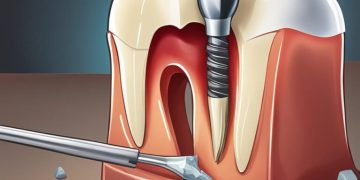













Dental science has long focused on prevention, repair, and replacement. While fillings, crowns, implants, and dentures have improved oral health dramatically, none restore natural teeth completely. Imagine a world where a lost or decayed tooth could regrow naturally—not through prosthetics but through biological regeneration. Bioprinting, an emerging frontier in tissue engineering, promises to make this vision a reality. By combining stem cell science, 3D printing, and biomaterials, researchers are working toward regenerating fully functional dental tissues, including enamel, dentin, and pulp.
This article explores what bioprinting is, its current applications in dentistry, ongoing research in enamel regrowth, stem cell technology, challenges, and the long-term possibilities for patients seeking natural tooth restoration.
1. What Is Bioprinting and How Does It Apply to Dentistry?
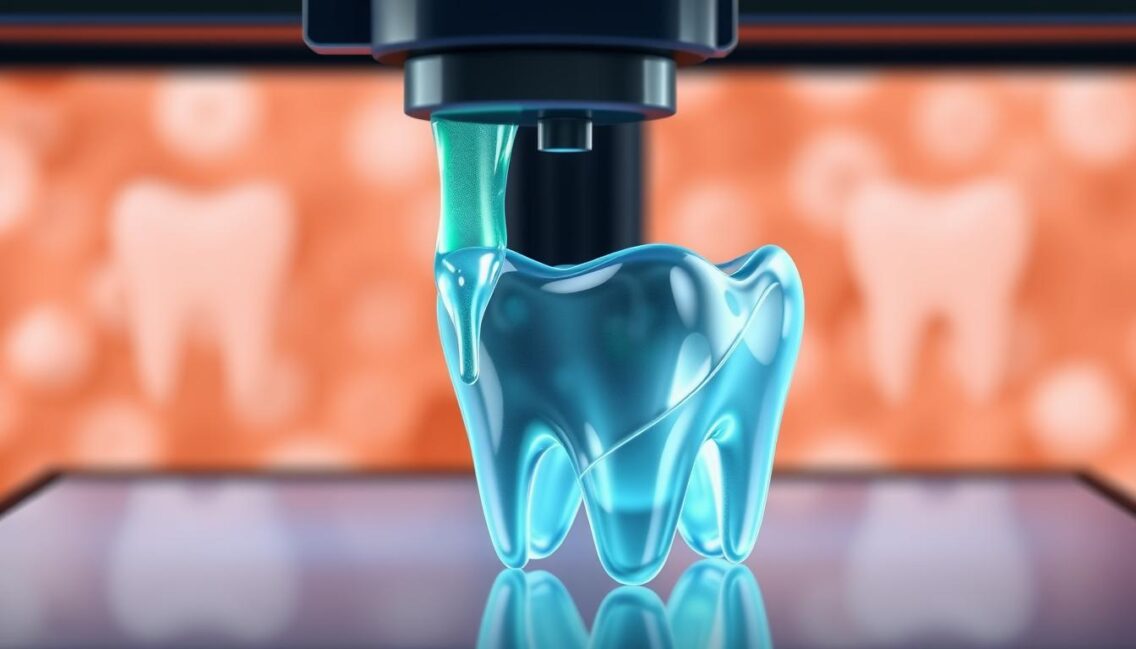
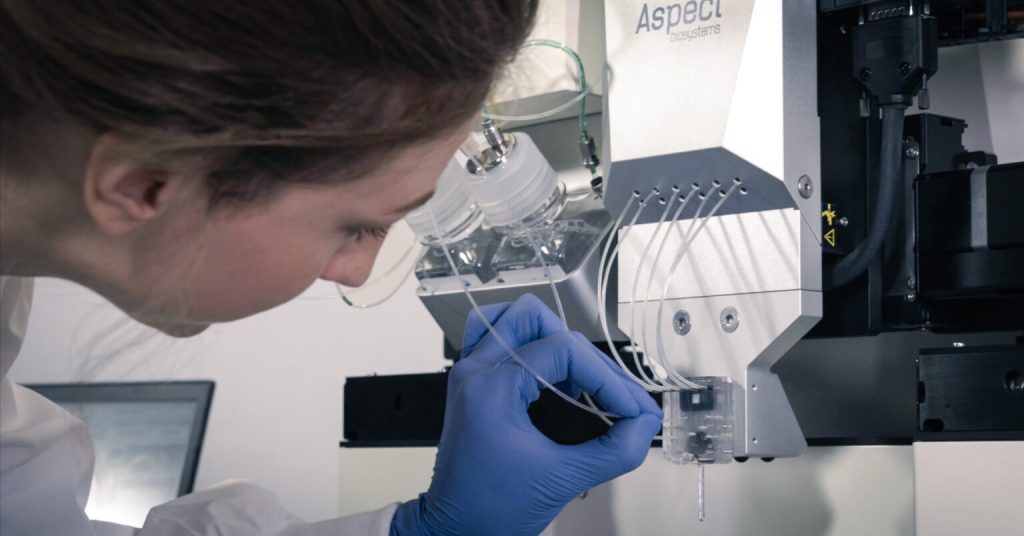
Bioprinting is an advanced form of 3D printing that uses living cells, growth factors, and biocompatible scaffolds to create tissue structures. Unlike traditional 3D printing with plastics or metals, bioprinting constructs living tissues layer by layer.
How Bioprinting Works
- Cell Sourcing – Dental stem cells, mesenchymal stem cells, or other progenitor cells are harvested.
- Bio-ink Preparation – Cells are suspended in a hydrogel matrix that provides structure and nutrients.
- Layer-by-Layer Printing – A precise printer deposits bio-ink according to a digital blueprint of the tooth structure.
- Maturation and Differentiation – The printed structure is cultured in conditions that encourage cells to form enamel, dentin, pulp, or other tissues.
Applications in Dentistry
- Printing dentin-pulp complexes
- Constructing entire tooth crowns in lab settings
- Modeling periodontal tissues for research and regeneration
- Creating patient-specific scaffolds for implants
Bioprinting moves dentistry from repair and replacement toward true tissue regeneration, a shift that could redefine patient care.
2. How Close Are We to Enamel Regrowth?
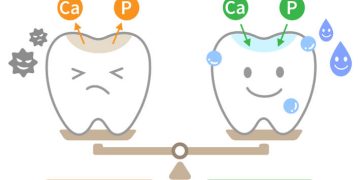
Enamel is the hardest substance in the human body and is acellular, meaning it does not naturally regenerate after formation. This has historically made tooth repair limited to prosthetics, fillings, and crowns.
Recent Research in Enamel Bioprinting
- Scientists are exploring ameloblast-like cells, which can form enamel matrix proteins in vitro.
- 3D scaffolds are being developed to guide the growth of enamel crystals in controlled orientations.
- Studies have shown that enamel-like structures can be produced, though their mechanical strength and wear-resistance still lag behind natural enamel.
Potential Breakthroughs
- Combining stem cells with biomimetic scaffolds may allow complete enamel regeneration in the future.
- Researchers are investigating growth factor delivery systems that could stimulate enamel-forming cells within the patient’s mouth.
While full clinical application is not yet available, these advancements suggest that regenerative dental care may one day replace traditional fillings entirely.
3. How Are Stem Cells Transforming Tooth Regeneration?
Stem cells are central to bioprinting because they have the potential to differentiate into multiple dental tissue types.
Sources of Dental Stem Cells
- Dental pulp stem cells (DPSCs): Harvested from the soft tissue inside teeth; capable of forming dentin and pulp.
- Periodontal ligament stem cells (PDLSCs): Regenerate periodontal ligament and alveolar bone.
- Stem cells from exfoliated deciduous teeth (SHED): Versatile and easily obtained from baby teeth.
Applications in Tooth Bioprinting
- Constructing complete tooth structures in lab environments for implantation
- Regenerating damaged pulp tissue in cavities or after root canal treatment
- Enhancing bone regeneration for implant support
- Customizing treatment for each patient by using autologous stem cells (from their own body)
Advantages
- Reduced risk of immune rejection
- Potential to restore both form and function
- Enables the creation of patient-specific dental tissues
4. What Challenges Stand Between Bioprinting and Everyday Dental Use?
While the science is promising, several hurdles must be overcome before bioprinted teeth become a clinical reality.
Technical Challenges
- Vascularization: Printed tissues need a blood supply to survive; this is critical for larger structures like entire teeth.
- Mechanical strength: Enamel and dentin must withstand biting forces; currently bioprinted tissues are weaker than natural teeth.
- Complex tissue organization: Teeth consist of multiple layers with distinct properties—enamel, dentin, pulp, and cementum—which are challenging to replicate simultaneously.
Biological Challenges
- Ensuring stem cells differentiate correctly in the oral environment
- Controlling growth factors to prevent unwanted tissue formation
- Avoiding immune reactions or infections
Practical and Regulatory Challenges
- High costs of bioprinting equipment and materials
- Need for rigorous clinical trials and safety testing
- Regulatory approval from health authorities before widespread adoption
Despite these challenges, ongoing research continues to push the boundaries of what is possible in dental regeneration.
5. What Are the Long-Term Possibilities for Patients?
The potential impact of bioprinting on dentistry is immense. In the long term, patients could experience:
Complete Tooth Regeneration
- Replacement of lost or damaged teeth without implants or prosthetics
- Restoration of natural chewing function and aesthetics
Minimized Invasive Procedures
- Fewer drills, fillings, and crowns
- Regenerative therapies that repair cavities before decay spreads
Personalized Dental Care
- Teeth grown from a patient’s own stem cells reduce rejection risk
- Customized tooth shape and color matching the individual’s natural dentition
Integration With Other Technologies
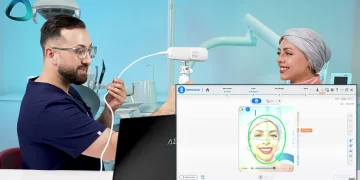
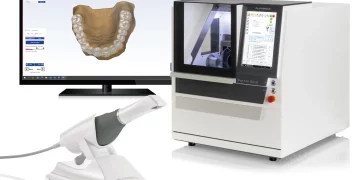
- Bioprinting could combine with 3D imaging, digital smile design, and CAD/CAM to plan and fabricate patient-specific solutions.
- Potential to engineer complex dental tissues, including periodontal ligament and alveolar bone, for full-mouth regeneration.
Preventive Regenerative Dentistry
- Early intervention may allow dentists to stimulate tooth regrowth in children or adults before significant damage occurs, fundamentally changing how cavities and enamel erosion are treated.
Conclusion: Is Bioprinting the Future of Dentistry?
Bioprinting represents the next frontier in dental science, offering hope for regenerating natural teeth rather than relying solely on restorative or prosthetic methods. While clinical use is still in the research and experimental stage, the combination of stem cells, bio-inks, and precision 3D printing could one day transform dentistry from repair-focused care to true biological restoration. Patients may eventually benefit from teeth that regrow naturally, fully functional and aesthetically perfect, reshaping the very definition of oral health.
Though challenges remain, ongoing research in enamel regeneration, stem cell applications, and bioprinting technology suggests that the future of dentistry could be more natural, less invasive, and profoundly more effective.








Discussion about this post