

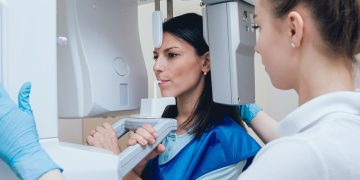
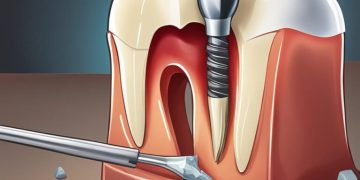
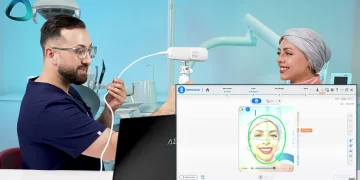


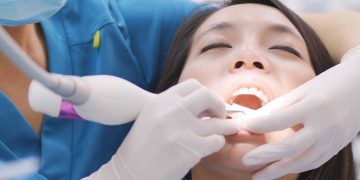









The traditional dental clinic—with its paper charts, manual instruments, and siloed operations—is on the verge of a profound transformation. Driven by the convergence of artificial intelligence, the Internet of Things (IoT), and a patient-centric design philosophy, the dental practice of the future will be an intelligent, seamless, and highly efficient ecosystem. This is not merely about digital X-rays instead of film; it’s about a fundamental reimagining of the entire patient journey, from the moment a concern arises to long-term maintenance of oral health. The “smart clinic” will leverage automated systems, AI-driven diagnostics, and remote monitoring to shift the focus from reactive treatment to proactive, personalized prevention. This article explores the core components of this emerging paradigm, painting a picture of a dental experience that is more convenient, accurate, and accessible than ever before.
1. The Self-Running Operatory: The Rise of Automated Clinical Systems
Automation in the smart clinic goes far beyond automated appointment reminders. It encompasses physical and digital systems that handle routine tasks, freeing the clinical team to focus on complex, value-added care.
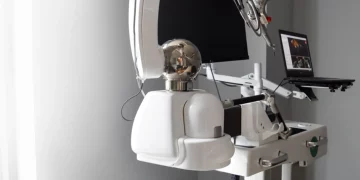
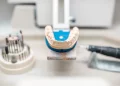
Intelligent Operatories: Imagine a treatment room that prepares itself for you. Upon checking in, the system identifies the planned procedure and automatically configures the room. The chair adjusts to the pre-set position, the appropriate instruments are laid out by a robotic arm or illuminated in a smart cabinet, and the chairside monitor loads the patient’s records and the day’s diagnostic images. Lighting and ambient music may even adjust to the patient’s recorded preferences to reduce anxiety.
Automated Hygiene and Disinfection: UV-C light robots could enter the operatory between patients, sanitizing the entire room and ensuring a sterile environment without human error. Automated instrument washer-disinfectors would track usage and integrity, ensuring every tool is perfectly sterilized and ready.
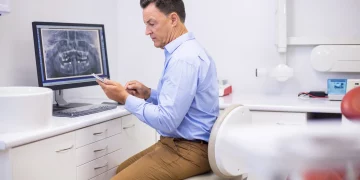
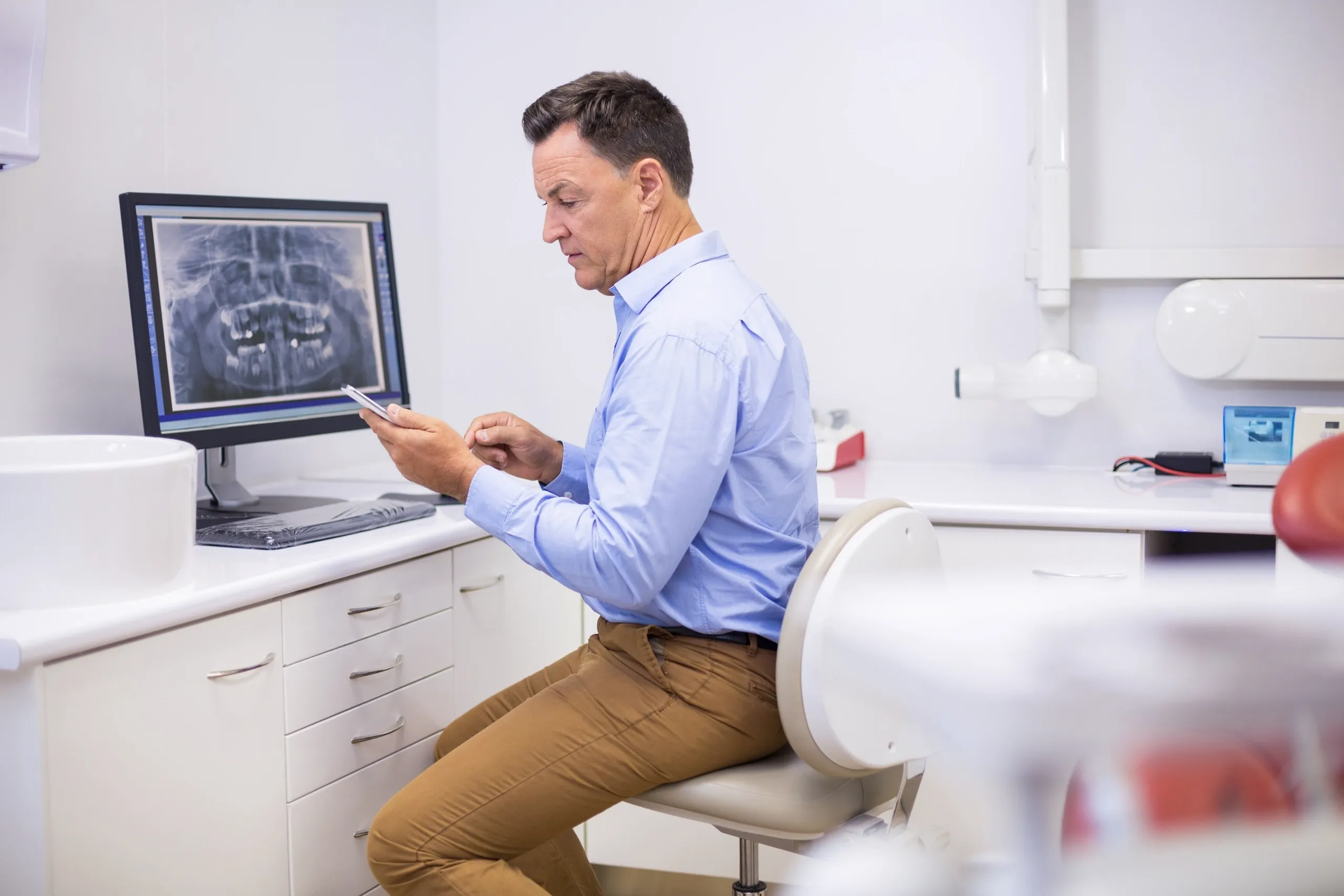
Hands-Free Data Capture: Voice-activated assistants integrated with the practice management software would allow the dentist to dictate clinical notes, call up images, or review medical history without ever touching a keyboard or turning away from the patient. “Show me the bitewing X-rays from 2023,” the dentist would say, and the images would instantly appear on the screen.
2. Your First Contact is an Algorithm: AI-Powered Triage and Virtual Assistants
The patient journey in a smart clinic begins not with a phone call, but with an intelligent interaction that efficiently routes care and provides immediate guidance.
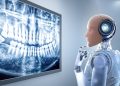
24/7 Symptom Checker and Triage: A clinic’s website or app would feature an advanced AI chatbot. A patient could describe their symptom—”sharp pain on the lower right side when I drink cold water”—and the AI, trained on millions of dental records, would ask clarifying questions. It could then provide a preliminary assessment (e.g., “Possible cavity or cracked tooth”) and, based on urgency, automatically schedule an appropriate appointment (e.g., a “same-day emergency” slot) or recommend an at-home care protocol while they wait.
Automated Administrative Workflow: This AI assistant would also handle the bulk of administrative tasks. It could verify insurance eligibility in seconds, pre-populate forms with known data, and send personalized pre-appointment instructions (e.g., “Please arrive 10 minutes early. Remember to bring a list of your current medications.”). This eliminates front-desk bottlenecks and ensures the patient arrives fully prepared.
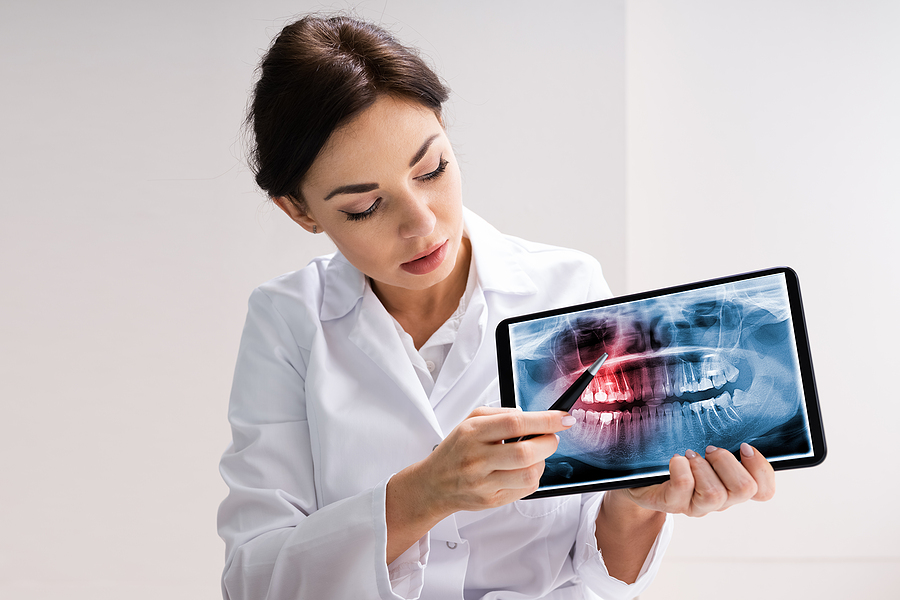
Personalized Pre-Care Education: Before a complex procedure like a root canal or implant, the AI could send the patient a customized video that explains their specific condition and the planned treatment, using their own X-rays and 3D scans as visual aids, thereby reducing anxiety and improving informed consent.
3. The Death of Distance: The Central Role of Remote Consultations and Teledentistry
Smart clinics will seamlessly blend physical and virtual care, making dental expertise accessible anywhere, anytime.
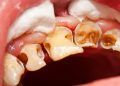
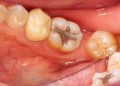
Asynchronous Teledentistry: A patient concerned about a discolored patch on their gum could use their smartphone to capture high-quality images and a short video, answering a series of standardized questions from the clinic’s app. This “dental packet” is securely sent to the dentist, who can review it at their convenience and respond with a diagnosis, reassurance, or a recommendation to come in for an in-person visit. This is ideal for follow-ups, minor concerns, and orthodontic monitoring.
Live Video Consultations: For more interactive needs, secure video conferencing will be integrated directly into the clinic’s platform. A dentist could conduct a post-operative check, assess a child’s teething, or discuss treatment plan options face-to-face with a patient who is traveling or homebound. Prescriptions for antibiotics or pain medication could be sent electronically directly from this virtual session.
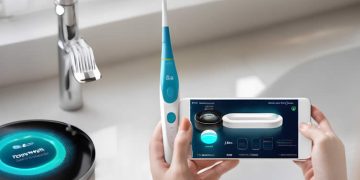
Remote Monitoring for Chronic Conditions: For patients with periodontal disease, the clinic could provide a connected toothbrush and water flosser. Data on brushing duration, coverage, and frequency could be monitored by the AI. If it detects a lapse in hygiene that could lead to a flare-up, it could automatically send a reminder or alert the dental hygienist to schedule a supportive care appointment.
4. The Always-On Mouth: Continuous Monitoring with Wearable Oral Sensors
The most transformative aspect of the smart clinic may be its extension beyond the clinic’s walls through discrete, wearable technology.
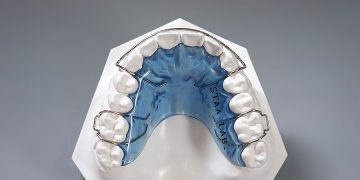
Smart Retainers and Mouthguards: Custom-fitted retainers or night guards could be embedded with micro-sensors that monitor bruxism (teeth grinding) activity—tracking duration, intensity, and patterns. This data helps dentists diagnose the cause of jaw pain or tooth wear more accurately and assess the effectiveness of a night guard. Future versions could even detect pH levels, alerting the user to acidic conditions that cause erosion.
Tooth-Mounted Sensors: Researchers are developing temporary, paper-thin sensors that can be affixed to a tooth surface. These could monitor glucose levels in saliva for diabetics, detect specific markers associated with periodontal disease activity, or even identify the intake of sugar, alcohol, or tobacco, providing objective data for dietary and lifestyle counseling.
Ingestible Sensors: To monitor stomach acid levels for patients with GERD (a major cause of tooth erosion), a patient could swallow a disposable, smart pill that communicates with a smartphone app, providing a direct link between acid reflux events and oral health damage.
5. The Central Nervous System: The Integrated Practice Platform
None of these technologies operate in a vacuum. Their power is unlocked by a unified, cloud-based practice operating system that acts as the central nervous system for the entire clinic.
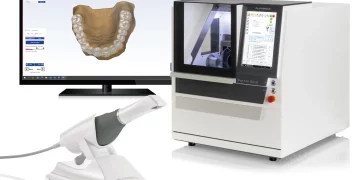
The Unified Patient Record: This platform integrates all data streams: the electronic health record (EHR), data from wearable sensors, logs from the AI triage chatbot, images from intraoral scanners, and notes from remote consultations. This creates a holistic, real-time view of the patient’s oral health, breaking down information silos.
Predictive Analytics and Proactive Care: The platform’s AI doesn’t just triage; it analyzes the aggregated data to predict risk. It might flag a patient as “high risk for a new cavity” based on a combination of diet logs from a wearable, a slight increase in plaque levels from smart brush data, and a family history of caries. The clinic can then proactively reach out with preventive advice or schedule a fluoride treatment, stopping disease before it starts.
Seamless Interoperability: This platform would connect seamlessly with dental labs, insurance companies, and specialist referrals, creating a frictionless flow of information that accelerates care, reduces administrative overhead, and creates a cohesive experience for both the patient and the dental team.
The smart dental clinic of the future is a vision of healthcare that is predictive, preventive, personalized, and participatory. It leverages technology not for its own sake, but to empower dentists to practice at the top of their license and to engage patients as active partners in their own health. The result is a system that is not only more efficient for the practice but also more effective, convenient, and empowering for the person in the chair—transforming dental care from a dreaded chore into an integrated part of a healthy, connected life.







Discussion about this post