















Regular professional cleaning is a cornerstone of oral health. While traditional manual scaling has long been the standard, ultrasonic cleaning technology has emerged as a faster, more effective, and patient-friendly alternative. Using high-frequency vibrations to remove plaque, tartar, and stains, ultrasonic scalers are redefining dental hygiene care. But how exactly does this technology work, who benefits most, and what should patients expect before and after treatment?
This article delves into the science, benefits, limitations, and aftercare of ultrasonic dental cleaning, providing a comprehensive guide for patients curious about modern oral care options.
1. How Does Ultrasonic Scaling Actually Work?
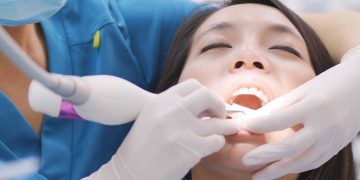
Ultrasonic cleaning relies on high-frequency vibrations to disrupt and remove deposits on teeth. Here’s a breakdown of the process:
Ultrasonic Device Components
- Scaler tip: Vibrates at frequencies ranging from 20,000 to 45,000 Hz.
- Water supply: Provides cooling, flushing, and cavitation effects.
- Power control unit: Adjusts frequency and intensity for different patient needs.
Mechanism of Action
- Mechanical vibration: The scaler tip rapidly oscillates, breaking up hardened plaque (tartar) and biofilm without excessive pressure.
- Cavitation effect: Ultrasonic waves create microscopic bubbles in water that implode, releasing energy that disrupts bacterial cell walls and loosens deposits.
- Irrigation: Continuous water spray flushes out debris and reduces heat generated by vibration.
Precision and Safety
- Ultrasonic tips are designed to reach areas difficult for manual instruments, such as under the gum line and between tight contacts.
- Adjustable power settings allow treatment to be tailored to sensitive patients or heavily calcified teeth.
The result is efficient removal of tartar, plaque, and surface stains while minimizing physical strain on both the patient and the clinician.
2. What Are the Benefits of Ultrasonic Cleaning Over Manual Scaling?
Ultrasonic cleaning offers several key advantages that make it increasingly popular in modern dental practices.
Efficiency and Speed
- Cleans more surface area in less time.
- Reaches subgingival deposits that manual scalers may miss.
- Reduces overall chair time, especially for patients with heavy calculus build-up.
Patient Comfort
- Gentle vibrations often cause less discomfort than scraping with hand instruments.
- Minimal pressure is required, reducing soreness and gum trauma.
- Water spray can create a cooling effect, soothing sensitive areas.
Enhanced Bacterial Reduction
- Cavitation not only removes deposits but also destroys bacterial cell walls, reducing microbial load.
- Flushes debris and bacteria from periodontal pockets more effectively than manual scaling alone.
Precision in Challenging Areas
- Thin ultrasonic tips reach tight interproximal spaces and subgingival pockets.
- Ideal for patients with orthodontic appliances, bridges, or implants where manual tools may struggle.
Reduced Operator Fatigue
- Less repetitive scraping reduces strain for hygienists and dentists.
- Enables more consistent treatment, particularly during longer appointments.
3. Are There Sensitivity Considerations With Ultrasonic Cleaning?
While generally safe, ultrasonic cleaning can sometimes cause temporary sensitivity.
Factors Contributing to Sensitivity
- Exposure of root surfaces due to gum recession.
- Inflamed or tender gums from periodontal disease.
- Existing enamel erosion or cavities.
Mitigating Discomfort
- Dentists can lower vibration intensity for sensitive areas.
- Topical anesthetics or desensitizing gels may be applied.
- Warm water or controlled irrigation helps minimize thermal sensitivity.
Post-Cleaning Sensitivity
- Mild discomfort may occur for 24–48 hours, typically subsiding naturally.
- Fluoride treatments or desensitizing toothpaste can help alleviate lingering sensitivity.
Patients with extreme sensitivity or advanced gum disease should discuss pre-treatment precautions with their dentist.
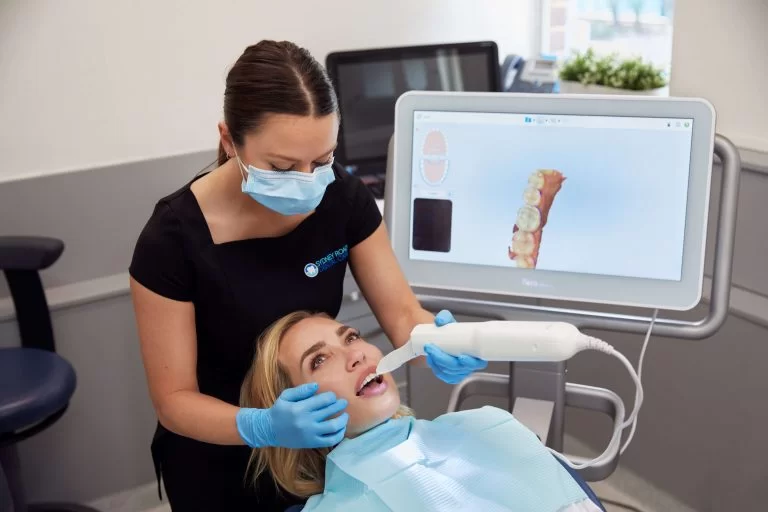
4. Who Are Ideal Candidates for Ultrasonic Cleaning?
Ultrasonic cleaning is suitable for most patients but particularly beneficial for certain groups.
Patients With Heavy Calculus
- Those who have not had professional cleaning for several months or years.
- Individuals with rapid tartar buildup or thick stains.
Gum Disease Patients
- Periodontitis or gingivitis patients benefit from subgingival cleaning.
- Reduces bacterial load and inflammation more effectively than manual scaling alone.
Orthodontic or Implant Patients
- Fixed appliances, implants, crowns, and bridges are easier to clean with ultrasonic tips.
- Helps prevent biofilm accumulation in hard-to-reach areas.
Patients Seeking Reduced Treatment Time
- Busy schedules or patients who dislike long appointments find ultrasonic cleaning more convenient.
Cautionary Cases
- Patients with certain pacemakers or electronic implants should inform their dentist, though modern ultrasonic devices are generally safe.
- Severe sensitivity, active infection, or recent oral surgery may require modified protocols.
5. What Aftercare Supports Healing and Long-Term Benefits?
After ultrasonic cleaning, proper care enhances results and comfort.
Immediate Aftercare
- Expect mild gum tenderness or sensitivity for 24–48 hours.
- Avoid extremely hot, cold, or acidic foods immediately if sensitivity occurs.
- Rinse with warm salt water or recommended antimicrobial mouthwash if gums feel tender.
Oral Hygiene Practices
- Brush gently with a soft-bristled toothbrush twice daily.
- Floss carefully, particularly around subgingival areas that were cleaned.
- Use fluoride toothpaste or professional gels to strengthen enamel and reduce sensitivity.
Follow-Up Treatments
- Periodontal patients may require multiple ultrasonic sessions for deep cleaning.
- Routine professional cleanings every 6 months help maintain results.
Lifestyle Habits
- Reduce staining substances like coffee, tea, and tobacco.
- Maintain a balanced diet to support gum health.
- Stay hydrated to ensure saliva flow, which aids in bacterial control.
Conclusion: Why Ultrasonic Cleaning Is a Modern Dental Essential
Ultrasonic cleaning technology represents a major evolution in dental hygiene. By combining efficiency, precision, and patient comfort, it addresses many limitations of traditional manual scaling. Patients benefit from:
- Faster, more thorough cleaning
- Reduced discomfort and sensitivity
- Improved bacterial control
- Enhanced periodontal health
- Convenience for busy lifestyles
While not a complete replacement for manual care in all cases, ultrasonic cleaning is now an indispensable tool for modern dentistry, ensuring patients enjoy both healthier teeth and a more comfortable treatment experience.








Discussion about this post