
















Introduction
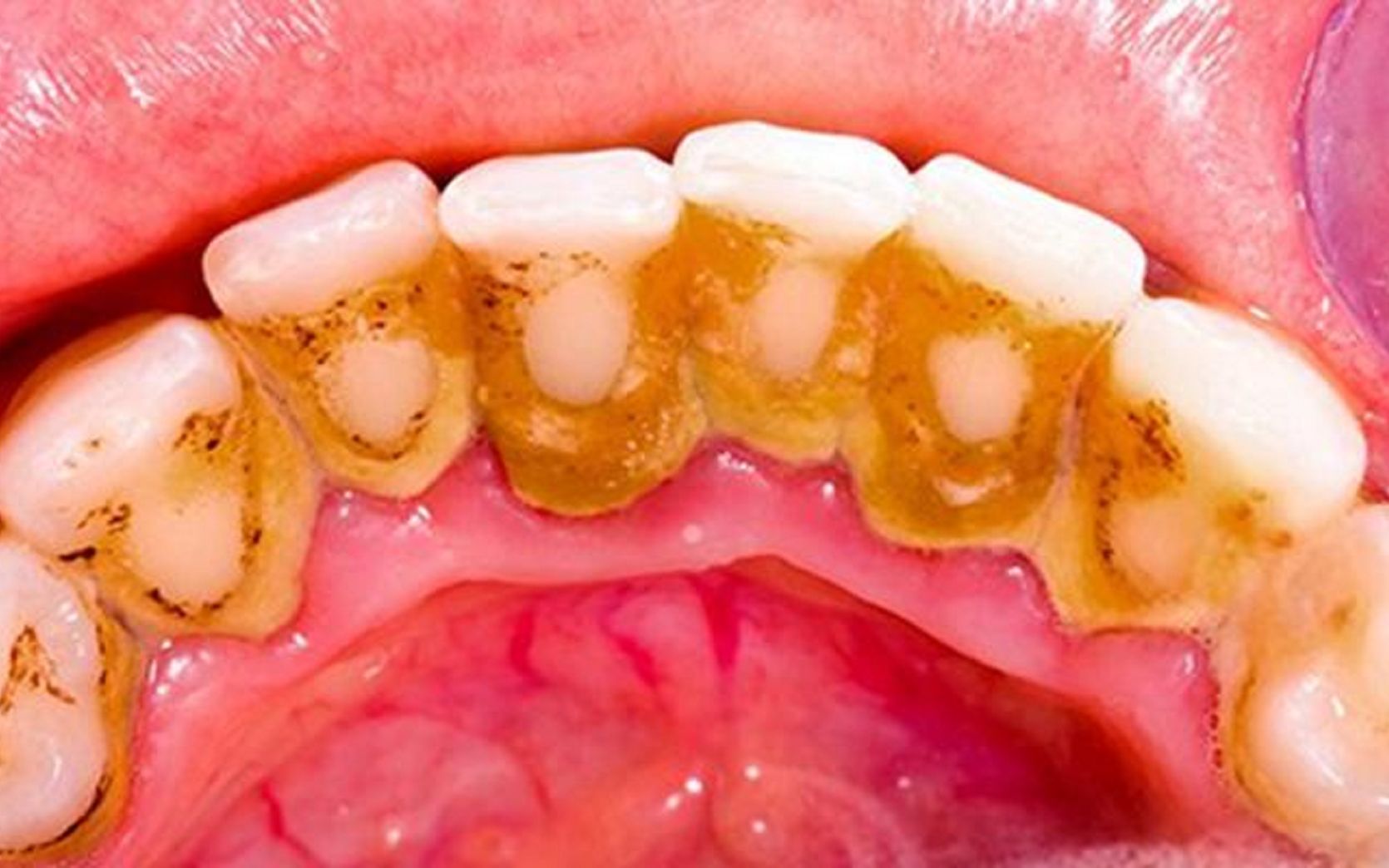
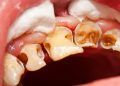
Dental calculus, also known as tartar or tartar, is a hard deposit formed after calcification of dental plaque, attached to the surface of teeth or below the gum line. Dental calculus not only affects aesthetics, but is also one of the main causes of periodontal disease and other oral problems. This article will delve into the formation mechanism, symptoms, prevention, and removal methods of dental calculus, helping readers to comprehensively understand and manage this issue and maintain periodontal health.
Formation mechanism of dental calculus
The formation of tartar is a multistage process involving the accumulation and calcification of dental plaque:
- Formation of dental plaque:
Bacterial attachment: Bacteria in the oral cavity first attach to the surface of teeth, forming a thin biofilm called plaque.
Bacterial reproduction: Bacteria in dental plaque continuously multiply, decompose food residues, produce acidic substances, and damage dental enamel. - Calcification process:
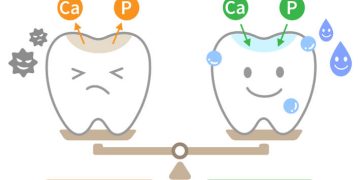
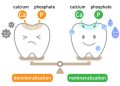
Mineral deposition: Minerals (such as calcium and phosphate) in saliva gradually deposit in dental plaque, causing it to gradually harden.
Dental calculus formation: After a period of time, dental plaque completely calcifies, forming hard dental calculus that firmly adheres to the surface of teeth or below the gum line. - Location and Type :
Hypergingival calculus: A calculus located above the gum line, visible to the naked eye, that affects aesthetics.
Subgingival calculus: calculus located below the gum line, which is not easily detected but causes greater damage to periodontal tissue.
Symptoms of dental calculus
The main symptoms of dental calculus include:
- Gingival bleeding: Gingivals are prone to bleeding when brushing or flossing, which is a manifestation of inflammation caused by tartar stimulation of the gums.
- Gum redness and swelling: The gum color turns bright red, the texture becomes soft, and there is pain when touched.
- Bad breath : Persistent bad breath or oral odor that cannot be completely eliminated even after brushing teeth.
- Periodontal pocket formation: A periodontal pocket with a depth of more than 3 millimeters between the gums and teeth can easily accumulate bacteria and food residue.
- Loose teeth: Dental calculus can cause damage to periodontal tissue, and teeth may become loose or change position.
- Gingival recession: The gums gradually recession towards the root of the tooth, exposing the root of the tooth and making it appear longer.
Preventive measures for dental calculus
The key to preventing tartar lies in improving lifestyle habits and maintaining good oral hygiene:
- Daily oral care :
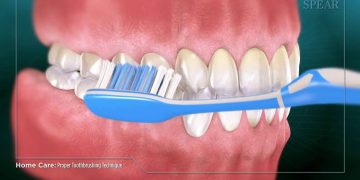
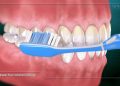
Correct brushing : Brush your teeth at least twice a day for at least two minutes each time, using a soft bristled toothbrush and fluoride toothpaste.
Use dental floss : Use dental floss or interdental brushes daily to clean the gaps between teeth and remove dental plaque.
Mouthwash : Use antibacterial mouthwash to reduce the number of bacteria in the mouth and prevent plaque formation. - Regular Inspection :
Dental examination: Conduct a comprehensive dental examination every six months to one year to promptly detect and treat early lesions.
Professional scaling : Regularly perform dental scaling to remove tartar and plaque, and prevent periodontal disease. - Healthy diet :
Balanced diet : Consuming foods rich in vitamin C and calcium can enhance the resistance of teeth and gums.
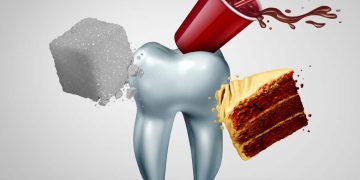
Reduce sugar intake : Limit the intake of high sugar foods and beverages such as candy, cookies, and fruit juice to reduce the formation of dental plaque.
Drink plenty of water: Maintain sufficient water intake, promote saliva secretion, and clean the mouth. - Quit smoking :
Avoid tobacco : Smoking is an important factor in the formation of tartar and should be avoided as much as possible.
Substitutes : Use nicotine patches or gum substitutes to help quit smoking.
Methods for removing dental calculus
Once tartar is formed, it cannot be completely removed by daily brushing and flossing alone, and professional treatment methods are needed:
- Basic Cleanliness :
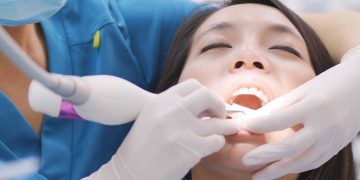
Ultrasonic scaling: Use an ultrasonic dental cleaning machine to remove tartar on the surface of teeth and below the gum line through highfrequency vibration.
Manual scaling: Use a professional scraper to manually remove tartar and plaque. - Smooth root surface :
Scraping and root planing: For subgingival calculus, scraping and root planing are necessary to thoroughly remove pathological deposits on the root surface and promote periodontal tissue healing. - Local antibacterial treatment :
Topical application : use ointment or gel containing antibiotics or antibacterial agents and apply it locally to the gums and periodontal pockets to control infection and reduce inflammation.
Mouthwash : Use antibacterial mouthwash to reduce the number of bacteria in the mouth and prevent the formation of dental plaque again. - Laser therapy :
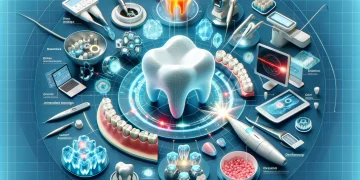
Laser scaling: Using lowintensity laser to remove tartar through the action of light energy, reducing damage to the gums and promoting tissue repair. - Home Care :
Regular followup : After completing the cleaning, regularly visit the dentist to monitor the regeneration of tartar and adjust the treatment plan in a timely manner.
Continue to maintain good oral hygiene: Brush your teeth, floss, and rinse your mouth daily to prevent the formation of tartar again.
Conclusion
Dental calculus is one of the main causes of periodontal disease and other oral problems. By understanding the formation mechanism, symptoms, and prevention methods of dental calculus, we can take scientific and reasonable measures to effectively manage and prevent this problem. I hope this article can help readers better understand the formation and removal methods of dental calculus, take appropriate preventive and treatment measures, and protect their own and their family’s periodontal health. Through comprehensive management and timely treatment, we can stay away from the troubles of dental calculus and enjoy a healthy and comfortable oral life.







Discussion about this post