





















Mouthwash is one of the most misunderstood products in oral care. Many people believe it is a cure-all for bad breath, a substitute for brushing, or something you can use as often as you want without consequences. In reality, mouthwash is a powerful tool—but only when used correctly, and not all formulas work the same way.
From alcohol-based options to antiseptic rinses to gentle cosmetic blends, the world of mouthwash is diverse and easy to misuse. This article breaks down what mouthwash really does, the myths you should stop believing, the differences between alcohol and alcohol-free formulas, when to choose antiseptic vs. cosmetic mouthwash, and why overusing it may actually harm your oral health.
Let’s uncover the truth so you can use mouthwash safely, effectively, and with confidence.
What Does Mouthwash Actually Do?
Many people think mouthwash “kills all germs” or “instantly solves bad breath.” While it can freshen your breath and reduce bacteria, mouthwash is not a magic solution.
Depending on the formula, mouthwash may:
- Reduce oral bacteria
- Freshen breath temporarily
- Help control plaque
- Manage gum inflammation
- Prevent tooth decay (fluoride formulas)
- Reduce dry mouth symptoms
- Support oral wound healing (chlorhexidine-based, prescribed)
However, no mouthwash can replace brushing and flossing. Mouthwash works best as a support—not the foundation—of your routine.
Myth #1: Mouthwash Can Replace Brushing and Flossing
This is the most common—and dangerous—misconception.
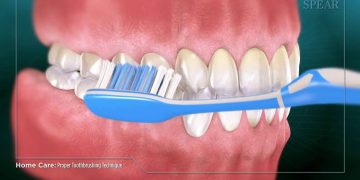
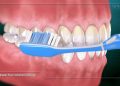
Brushing removes plaque from tooth surfaces.
Flossing removes plaque between teeth.
Mouthwash does not remove plaque; it only reduces bacteria temporarily.
If plaque is not physically removed, it hardens into tartar, increasing the risk of cavities and gum disease. Mouthwash cannot scrub your teeth, lift debris, or clean between tight spaces.
Use mouthwash after brushing and flossing, not instead of them.
Myth #2: All Mouthwashes Do the Same Thing
Not even close. Mouthwash comes in two main categories:
1. Cosmetic Mouthwash
This is the kind most commonly sold in supermarkets.
Functions:
- Masks bad breath
- Freshens taste
- Provides a minty clean sensation
Limitations:
- Does not kill significant bacteria
- Effects last only minutes to hours
- Does not treat gum disease or decay
Cosmetic mouthwash is great for quick freshness, but it is not a health treatment.
2. Therapeutic (Antiseptic) Mouthwash
These formulas contain active ingredients that target bacteria, plaque, or gum inflammation.
Common active ingredients include:
- Chlorhexidine gluconate (CHX) – prescription only
- Cetylpyridinium chloride (CPC)
- Essential oils
- Fluoride
- Hydrogen peroxide
Functions:
- Reduces gingivitis
- Controls plaque
- Supports healing after dental procedures
- Reduces cavity risk
- Helps manage infections or heavy bacterial load
Therapeutic mouthwash should be used as directed, and some are intended only for short-term use.
Myth #3: Alcohol Mouthwash Works Better Than Alcohol-Free Ones
Many people assume alcohol means “stronger” or “more effective.” But is that true?
What Alcohol Actually Does in Mouthwash
Alcohol acts mainly as a solvent for essential oils. It does not significantly kill additional bacteria compared to well-formulated alcohol-free options.
Pros of Alcohol-Based Mouthwash
- Provides a strong, refreshing sensation
- Helps dissolve flavoring ingredients
- Long shelf life
Cons of Alcohol-Based Mouthwash
- Can cause mouth dryness
- May irritate sensitive tissues
- Not recommended for people with dry mouth, diabetes, or certain medical conditions
- Can disrupt oral microbiome balance
- Risky for individuals recovering from alcohol dependence
- Not ideal for daily or long-term use
Dryness caused by alcohol can worsen bad breath because bacteria thrive in dehydrated environments.
When Alcohol-Free Mouthwash Is Better
Alcohol-free options are recommended for:
- Sensitive mouths
- Dry mouth/Xerostomia
- People who experience burning sensations
- Children
- Pregnant individuals
- Anyone seeking a gentle yet effective formula
Modern alcohol-free rinses with CPC or fluoride are just as effective—sometimes more so—than their alcohol counterparts.
Myth #4: You Should Rinse Your Mouth with Water After Mouthwash
Many people use mouthwash and then immediately rinse their mouth with water—but this washes away active ingredients before they can work.
Most therapeutic rinses require 30 minutes of no eating, drinking, or rinsing afterward to remain effective.
Always read the label, but the general rule is:
Do not rinse afterward.
Myth #5: The Burn Means It’s Working
That burning sensation from alcohol-based mouthwash is often mistaken for strength.
But the truth is:
- Burning does not indicate bacterial kill rate
- Alcohol irritates soft tissues
- Effective antibacterial ingredients such as CPC or chlorhexidine do not need to burn to work
Comfortable rinses can be just as powerful—and healthier for everyday use.
When Should You Use Mouthwash?
A well-chosen mouthwash can enhance your oral health when used at the right times:
Best Times to Use Mouthwash
- After brushing and flossing
Helps reach areas your tools miss. - Midday refresh (cosmetic mouthwash)
Useful after meals or before social interactions. - Before bed
Allows active ingredients to work overnight. - During gum disease treatment
Therapeutic rinses reduce inflammation and bacterial load. - During dry mouth episodes
Specialized rinses hydrate oral tissues.

When NOT to Use Mouthwash
- Immediately after brushing with fluoride toothpaste
(unless the mouthwash also contains fluoride; otherwise, it dilutes toothpaste benefits) - More than 2–3 times per day for therapeutic formulas
- On children under 6 (risk of swallowing)
Overuse Risks: Can Too Much Mouthwash Be Harmful?
Yes. Overusing mouthwash—especially antiseptic or alcohol-based formulas—comes with risks.
1. Disrupted Oral Microbiome
Excessive mouthwash use can wipe out beneficial bacteria, making harmful strains more aggressive.
2. Dry Mouth
Alcohol formulas reduce saliva production, leading to:
- Bad breath
- Higher cavity risk
- Infection susceptibility
3. Staining and Taste Alteration
Chlorhexidine-based mouthwash can cause temporary:
- Brown tooth staining
- Bitter taste
- Tongue discoloration
These effects are harmless but concerning for daily use—hence why CHX is prescription-only.
4. Oral Irritation
Overuse may cause burning, peeling, or swollen tissues.
5. Masking Underlying Problems
Chronic bad breath should prompt dental evaluation—not heavier mouthwash use.
How to Choose the Right Mouthwash for Your Needs
For Bad Breath
Look for formulas with:
- CPC
- Zinc
- Essential oils
- Stable chlorine dioxide
These neutralize VSCs—the gases responsible for odor.
For Gum Health
Choose therapeutic mouthwash containing:
- CPC
- Chlorhexidine (short-term use)
- Essential oils
For Cavity Prevention
Opt for fluoride mouthwash.
For Dry Mouth
Seek alcohol-free formulas with:
- Xylitol
- Aloe vera
- Moisturizing agents
For Sensitive Mouths
Avoid alcohol and whitening formulas.
What Is the Correct Mouthwash Technique?
- Measure the recommended amount (usually 10–20 ml).
- Swish vigorously for 30–60 seconds.
- Gargle for a few seconds to reach the throat area.
- Spit out completely.
- Avoid eating or drinking for 30 minutes afterward.
For therapeutic rinses, always follow your dentist’s instructions.
Final Thoughts: Is Mouthwash Worth Using?
Yes—when used wisely.
Mouthwash is not a substitute for brushing or flossing, nor is it an all-purpose solution for bad breath. But it is a helpful addition to your routine when chosen appropriately and used in moderation.
The key is understanding what type of mouthwash you need and avoiding common myths that lead to overuse or misuse.
With smart choices, mouthwash can support fresh breath, healthier gums, and a cleaner oral environment—without unnecessary irritation or risk.








Discussion about this post