



















A bright, healthy smile is a universal goal, and for most of us, it’s a goal we believe we’re actively working towards with our daily brushing and flossing rituals. Yet, it’s a frustrating and common experience to maintain a consistent routine, only to be told during a dental checkup that you have a new cavity or signs of gingivitis. This disconnect often stems not from a lack of effort, but from subtle, ingrained mistakes that undermine even the most well-intentioned habits. These errors are so common they have become the “silent saboteurs” of oral health, practiced by millions with the best of intentions but with detrimental consequences.
The path to a truly healthy mouth requires moving beyond the simple act of brushing to understanding the how, when, and why behind it. This article will uncover the most prevalent daily oral care mistakes, illuminate the surprising long-term effects they can have on your teeth, gums, and overall health, and provide clear, dentist-recommended corrections to transform your routine from potentially harmful to optimally effective.
The Unseen Saboteurs: Common Habits That Harm
Many of these mistakes feel natural or have been passed down through generations without question. Recognizing them is the first step toward correction.
- Brushing Too Hard and Too Fast: The “scrub brush” mentality is one of the most damaging habits. People often equate vigorous, fast brushing with a deeper clean. In reality, this aggressive approach is a primary cause of gum recession and enamel abrasion. Using a hard-bristled brush exacerbates the problem, acting like sandpaper on your teeth and gums.
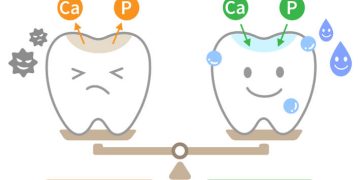
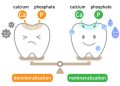
- Rinsing After Brushing: This is perhaps the most universal mistake. After brushing, the instinct is to swish with a large mouthful of water to get rid of the toothpaste foam. However, this immediately washes away the concentrated fluoride from your toothpaste before it has time to work its protective magic. Fluoride needs contact time with the enamel to remineralize and strengthen it.
- Using the Wrong Tools: A toothbrush that is too large cannot effectively clean the hard-to-reach back teeth. Stiff bristles, as mentioned, cause physical damage. Old, frayed brushes are ineffective at plaque removal. Furthermore, many people treat flossing as an optional add-on rather than a core necessity, leaving the critical interproximal areas—where a majority of adult cavities form—vulnerable.
- Brushing at the Wrong Time: Brushing immediately after a meal, especially one containing acidic foods or drinks (like coffee, orange juice, or soda), can be highly destructive. Acid softens the enamel, and brushing in this weakened state accelerates erosion, literally brushing away the softened mineral structure.
- Ignoring Your Tongue: The tongue’s rough surface is a prime breeding ground for bacteria that contribute significantly to bad breath (halitosis) and can redeposit onto teeth, fueling plaque formation. Simply brushing your teeth does not address this bacterial reservoir.
The Cumulative Toll: Long-Term Effects of Simple Errors
The consequences of these daily mistakes are not always immediate, but they are cumulative and can lead to serious, often irreversible, dental issues.
- From Brushing Too Hard:
- Gum Recession: As gums recede, they expose the sensitive root surface (dentin), which is not protected by hard enamel. This leads to thermal sensitivity and an increased risk of root cavities.
- Abrasive Lesions: Over time, aggressive brushing can create visible notches or grooves at the gumline, known as abfractions. These can deepen, leading to structural weakness and sensitivity.
- Aesthetic Impact: Receding gums can make teeth appear long and uneven, affecting the smile’s appearance.
- From Rinsing and Poor Fluoride Use:
- Increased Cavity Risk: Without the prolonged protective effect of fluoride, enamel remains more vulnerable to acid attacks from plaque bacteria, leading to a higher incidence of decay over time.
- Weakened Enamel: The constant rinsing away of fluoride denies the teeth the daily remineralization they need to stay strong, making them more susceptible to erosion and wear.
- From Poor Flossing Habits:
- Interproximal Decay: Cavities that form between teeth are often the most destructive, requiring larger fillings and potentially leading to root canals if left untreated.
- Progression to Periodontitis: The plaque and tartar buildup between teeth irritates the gums, leading to gingivitis (red, swollen, bleeding gums). If unchecked, this can advance to periodontitis, a severe gum infection that destroys the bone supporting your teeth and is the leading cause of tooth loss in adults.
- From Ignoring the Tongue:
- Persistent Halitosis: The bacteria on the tongue are a primary source of chronic bad breath that mouthwash and brushing alone cannot resolve.
- Compromised Oral Microbiome: A bacteria-heavy tongue can disrupt the balance of the oral microbiome, potentially contributing to overall oral inflammation.
The Dentist-Recommended Correction Plan
The good news is that correcting these mistakes is straightforward and requires a shift in technique and habit, not a massive investment of time or money.
- Master the Technique: Soft and Slow.
- The Tool: Use only a soft-bristled toothbrush.
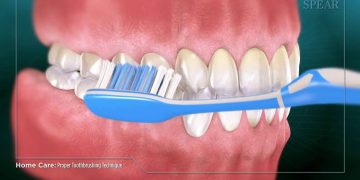
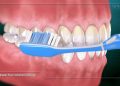
- The Method: Hold your brush at a 45-degree angle to your gums. Use gentle, circular or jiggling motions, focusing on only one or two teeth at a time. Imagine you are massaging your teeth and gums, not scrubbing them. An electric toothbrush with a pressure sensor is an excellent investment to enforce this gentle technique automatically.
- The Time: Brush for a full two minutes, ensuring you cover all surfaces: outer, inner, and chewing.
- Change Your Rinsing Ritual.
- The New Rule: After brushing, spit out the excess toothpaste foam. Do not rinse with water. You can rinse away any large, leftover bits, but allow the thin fluoride film to remain on your teeth. If the feeling is uncomfortable, use a very small, targeted splash of water or a fluoride mouthwash as the final step, not water.
- Floss with Purpose.
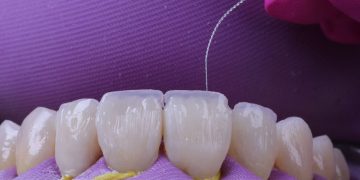
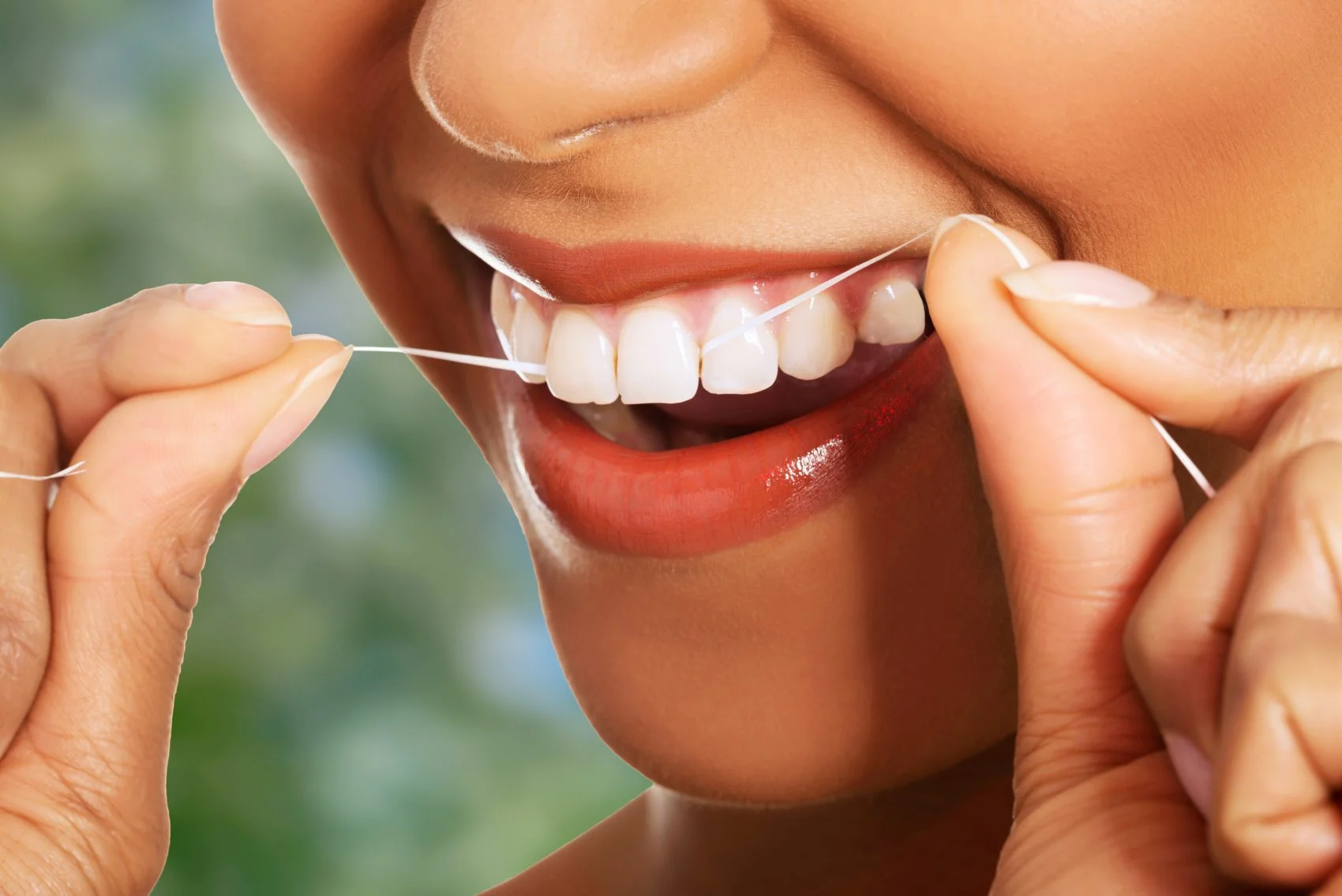
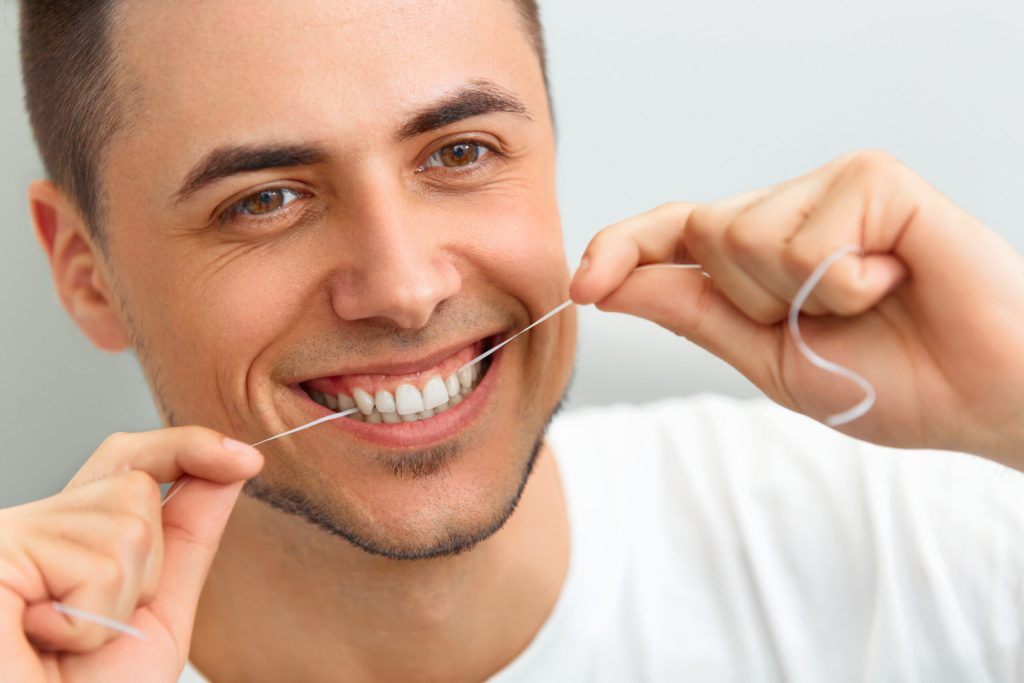
- The Technique: Use about 18 inches of floss. Wrap it around your middle fingers and guide it with your index fingers and thumbs. Gently slide it between teeth, curving it into a “C” shape against one tooth and sliding it up and down beneath the gumline. Use a clean section of floss for each tooth. Do not “snap” the floss, as this can damage the gums.
- The Timing: Floss before you brush. This dislodges debris and plaque, allowing the fluoride from your toothpaste to better reach the between-teeth surfaces.
- Time Your Brushing Wisely.
- The Rule: Wait at least 30 minutes after eating or drinking anything acidic before brushing. If you need immediate freshness, rinse with water or a fluoride mouthwash to neutralize the acids and wait for your saliva to naturally remineralize your enamel.
- Don’t Forget Your Tongue.
- The Tool: A dedicated tongue scraper is more effective than a toothbrush.
- The Method: Gently but firmly pull the scraper from the back of your tongue to the front, rinsing it after each pass. Do this once daily, typically in the morning, to remove overnight bacterial buildup.
Conclusion: From Unconscious Harm to Conscious Health
Perfect oral health is achieved not through aggressive force but through consistent, intelligent, and gentle care. The common mistakes we make daily are often born from a desire to do well, but without the correct knowledge, our efforts can be counterproductive.
By replacing the habit of hard brushing with a gentle massage, changing a simple rinsing ritual, embracing thorough flossing as a non-negotiable pre-brush step, timing your brushing correctly, and caring for your tongue, you transform your daily routine from a potential source of long-term damage into a powerful engine of prevention. This conscious approach ensures that your dedication to oral care translates directly into a healthier, stronger, and more resilient smile for life.








Discussion about this post