

























Oral health has long been viewed as separate from the rest of the body, but modern research proves that your mouth is far more than a place for chewing and speaking—it is a gateway to your entire system. Oral infections such as gum disease, untreated cavities, and abscesses do not simply stay in the mouth. They can spread bacteria throughout the bloodstream, trigger inflammation, and even contribute to serious systemic diseases, including heart disease, diabetes complications, pregnancy issues, and respiratory infections.
Understanding how oral infections travel, what risks they pose, and how to prevent them is essential for protecting both oral and overall health.
This comprehensive guide explores how bacteria spread from the mouth, the well-documented connection between oral disease and cardiovascular health, and the most effective prevention strategies to safeguard your long-term wellness.
Why Are Oral Infections More Dangerous Than They Seem?
Your mouth hosts more than 700 species of bacteria—some beneficial, some harmful. When oral hygiene is strong, these bacteria exist in balance. But when infection develops, harmful bacteria multiply and can infiltrate the bloodstream or cause chronic inflammation.
The most common oral infections include:
- Gingivitis (gum inflammation)
- Periodontitis (advanced gum disease)
- Dental abscesses
- Tooth decay
- Pericoronitis (infection around erupting teeth)
- Fungal infections (like candidiasis)
Although they vary in severity, all oral infections share one thing in common: they have the potential to affect the entire body if left untreated.
How Do Oral Bacteria Spread Throughout the Body?
The mouth’s tissues are highly vascular, meaning they have many blood vessels. When infection is present, the gums may bleed or become ulcerated, creating an entry point for bacteria.
Bacteria spread from the mouth in multiple ways:
1. Through Bleeding Gums
Gingivitis and periodontitis weaken gum tissues, causing them to bleed from brushing, flossing, or eating. When gums bleed, bacteria gain direct access to the bloodstream.
Once inside the blood, these bacteria can:
- Travel to distant organs
- Trigger inflammatory responses
- Form biofilms in vulnerable tissues
- Exacerbate existing medical conditions
2. Through Dental Abscesses
Abscesses contain large amounts of concentrated bacteria. If the infection spreads beyond the tooth root, it can enter the bloodstream, potentially causing sepsis, a life-threatening systemic infection.
3. Through Inflammatory Mediators
Even without major bleeding, oral infections stimulate the release of inflammatory molecules. These molecules circulate throughout the body, contributing to chronic inflammation—a major risk factor for heart disease, diabetes, and autoimmune disorders.
4. Via Aspiration Into the Lungs
Oral bacteria can be inhaled into the lungs, especially in older adults or those with weakened swallowing reflexes. This can lead to:
- Respiratory infections
- Aspiration pneumonia
- Exacerbation of chronic lung conditions
What Is the Link Between Oral Infections and Heart Disease?
One of the strongest and most researched connections is between periodontal disease and cardiovascular disease.
Here’s how oral infections influence heart health:
1. Bacteria Can Reach the Heart and Arteries
Once bacteria enter the bloodstream, they can attach to fatty deposits in the arteries and contribute to:
- Atherosclerosis (artery hardening)
- Plaque buildup
- Blockages that lead to heart attacks or strokes
Certain oral bacteria—like Porphyromonas gingivalis—have been found in coronary artery plaque.
2. Oral Infections Trigger Chronic Inflammation
Inflammation plays a major role in heart disease. Periodontitis increases systemic inflammation markers like C-reactive protein (CRP). High CRP levels are associated with a higher risk of:
- Heart attack
- Stroke
- Heart failure
Untreated gum disease continually fuels this cycle.
3. Endocarditis Risk
Bacteria from severe oral infections can infect the inner lining of the heart, causing infective endocarditis, a serious and potentially fatal condition. Those with heart valve abnormalities are especially vulnerable.
4. Worsening Blood Vessel Function
Periodontal inflammation affects the ability of blood vessels to dilate properly, impairing circulation and increasing cardiovascular strain.
How Do Oral Infections Affect Other Parts of the Body?
Oral health is deeply linked to overall health. Below are additional systemic conditions influenced by oral infections.
1. Diabetes
There is a two-way relationship between diabetes and gum disease:
- High blood sugar fuels bacterial growth in the mouth.
- Gum disease increases inflammation, making blood sugar harder to control.
Managing oral infections can significantly improve diabetes outcomes.
2. Pregnancy Complications
Oral infections, especially periodontal disease, are associated with:
- Preterm birth
- Low birth weight
- Preeclampsia
Inflammation and bacterial spread may affect fetal development, making oral care essential during pregnancy.
3. Respiratory Conditions
Oral bacteria can be inhaled, spreading infection deeper into the lungs. This is especially dangerous for:
- Elderly patients
- Hospitalized individuals
- People with chronic lung disease
Good oral hygiene is often included in hospital protocols to reduce pneumonia risk.
4. Alzheimer’s Disease Links
Some studies suggest that oral bacteria and chronic inflammation may contribute to neurodegenerative processes. P. gingivalis has been detected in the brains of patients with Alzheimer’s, raising questions about how oral infections may influence cognitive decline.
5. Rheumatoid Arthritis
The chronic inflammation caused by gum disease shares biological pathways with autoimmune arthritis. Treating periodontal disease may reduce arthritis flare-ups.

What Symptoms Signal That an Oral Infection May Be Developing?
While some infections are obvious, others progress quietly. Early detection is crucial.
Common symptoms include:
- Persistent bad breath
- Bleeding or swollen gums
- Tooth pain or sensitivity
- Pus around the gumline
- Loose teeth
- Jaw swelling
- Difficulty chewing
- Gum recession
If any of these symptoms occur, a dental evaluation is necessary to prevent systemic spread.
How Can You Prevent Oral Infections—and Protect Your Entire Body?
Prevention remains the most powerful way to reduce both oral and systemic health risks.
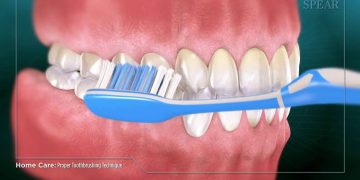
1. Brush Twice Daily (Properly)
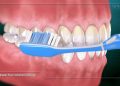
Use fluoride toothpaste and spend at least two minutes brushing, reaching all surfaces—including the gumline where bacteria accumulate.
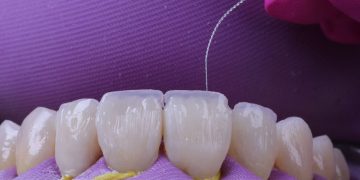
2. Floss Every Day
Flossing removes plaque from places a toothbrush can’t reach, significantly lowering gum disease risk.
3. Use Antiseptic or Fluoride Mouthwash
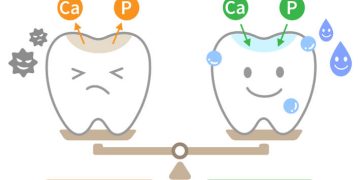
Mouthwash helps reduce bacterial load and strengthen enamel, providing an extra layer of protection.
4. Maintain Regular Dental Visits
Professional cleanings and exams every six months help catch infections early. Your dentist can spot problems long before you can.
5. Manage Underlying Conditions
Controlling diabetes, heart disease, and immune disorders reduces susceptibility to oral infections.
6. Stop Smoking
Smoking weakens immune response and slows gum healing, making oral infections more severe and harder to treat.
7. Maintain a Healthy Diet
Foods rich in vitamins A, C, D, and antioxidants strengthen gums and immunity. Limiting sugar and acidic foods reduces cavity risk.
8. Stay Hydrated
Saliva is your mouth’s natural defense, washing away bacteria and neutralizing acids. Proper hydration keeps saliva flowing.
9. Address Stress
Stress weakens immunity and can lead to teeth grinding, which increases infection risk by damaging enamel and gums.
10. Treat Dental Issues Early
Never ignore:
- Tooth pain
- Gum bleeding
- Swelling
- Persistent bad breath
Early treatment prevents infection from spreading and reduces long-term health risks.
Conclusion: Why Should You Care About Oral Infections?
Oral infections are not isolated problems—they are whole-body concerns. Your mouth is a critical indicator of systemic health, and ignoring oral issues may increase the risk of heart disease, diabetes complications, respiratory infections, pregnancy complications, and more.
By understanding how bacteria travel, recognizing symptoms early, and adopting preventive habits, you can protect not only your smile but your entire body.
Oral health is whole-body health. Caring for your mouth is caring for your life.










Discussion about this post