






















Orthodontic treatment has evolved tremendously over the past few decades. Once upon a time, traditional metal braces were the only option for correcting misaligned teeth. But today, clear aligners—especially brands like Invisalign and other transparent, removable systems—have emerged as a popular, modern alternative. Their rise sparks a common question: Are clear aligners actually better than traditional braces, or is this just a matter of aesthetics and marketing?
The answer is not as straightforward as one might think. Each option offers distinct benefits and limitations in terms of treatment duration, appearance, comfort, and cost. Understanding the differences can help you choose the best orthodontic solution for your lifestyle and dental needs.
How Do Clear Aligners and Traditional Braces Actually Work?
Before diving into pros and cons, it’s important to understand how both systems function.
Clear Aligners
Clear aligners are custom-made, transparent trays that gradually shift teeth using controlled force. Patients typically receive a series of aligner sets that they switch every one to two weeks, with each new set moving the teeth closer to their final positions.
Key Features:
- Removable
- Nearly invisible
- Require consistent wear (20–22 hours per day)
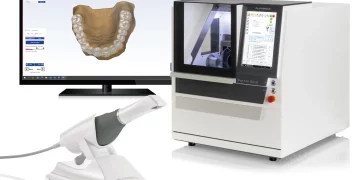
- Computer-generated treatment plans
Traditional Braces
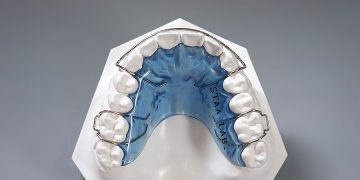
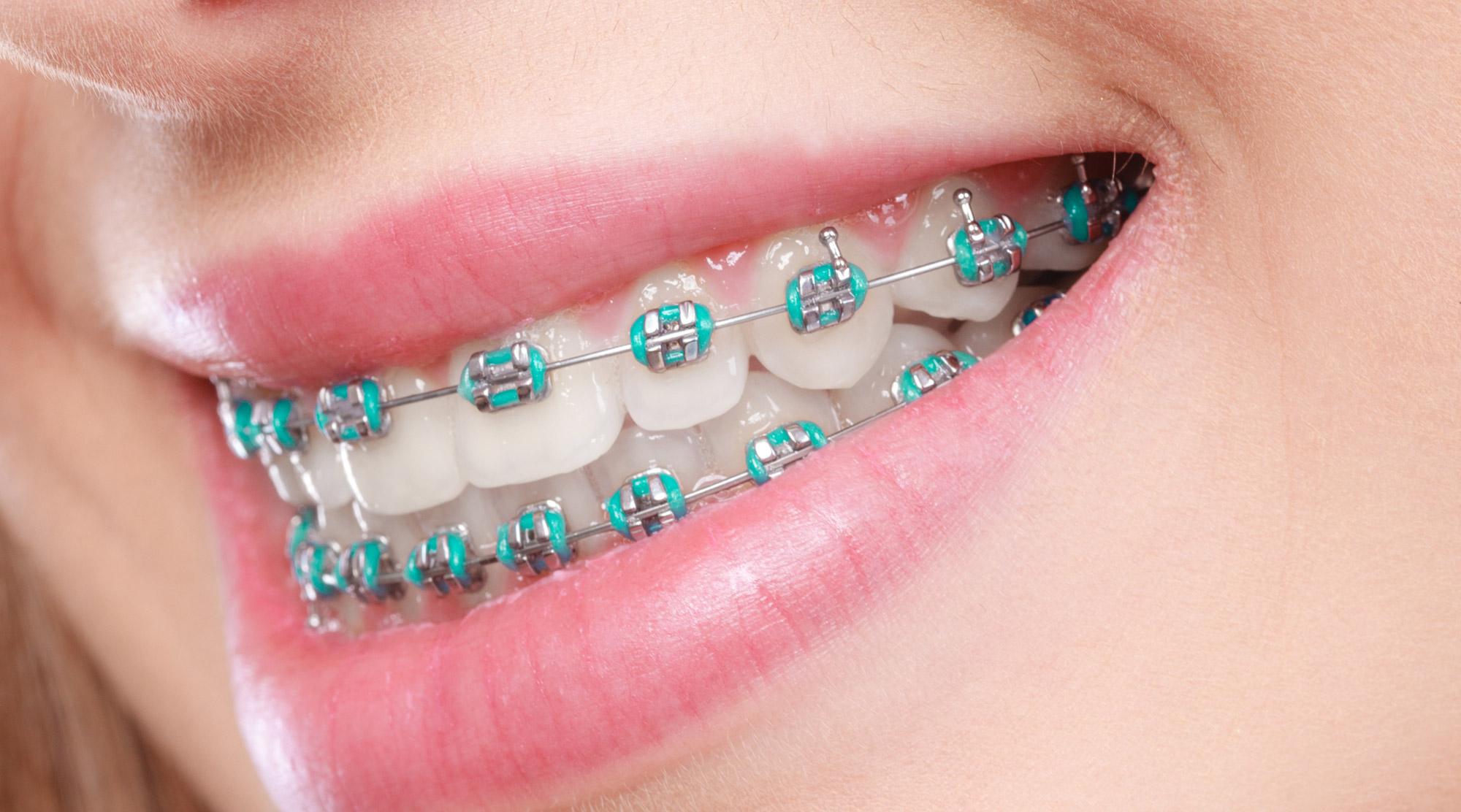
Traditional braces consist of metal brackets and wires attached to the teeth. Tightening appointments adjust the pressure on the teeth to gradually move them into alignment.
Key Features:
- Permanently fixed to teeth until treatment ends
- Effective for all types of malocclusions
- Require regular tightening and maintenance
- Highly durable and predictable
Both systems work well, but differences become clearer when looking at specific categories.
Which Option Takes Less Time: Aligners or Braces?
Treatment duration is one of the biggest deciding factors for many patients. Surprisingly, the answer varies depending on the complexity of the case.
Clear Aligners: Treatment Duration
Clear aligners are often marketed as the faster method. For mild to moderate cases (such as gaps, mild crowding, or slight shifts), treatment may take:
- 6 to 18 months on average
However, aligners rely heavily on patient compliance. If you don’t wear them consistently, treatment slows significantly or becomes ineffective.
Traditional Braces: Treatment Duration
For moderate to severe cases—especially those involving bite issues (overbite, underbite, crossbite)—braces often:
- Take 18 to 30 months
But braces do not rely on patient discipline because they’re fixed. They offer constant pressure, making them more predictable for complicated movements.
So Which Is Faster?
- Clear aligners may be faster for mild to moderate cases.
- Braces may be faster and more predictable for complex cases requiring significant corrections.
Are Clear Aligners Really More Aesthetic Than Braces?
When it comes to aesthetics, clear aligners are the clear winner—but there are nuances.
Clear Aligners: Appearance Benefits
- Virtually invisible unless someone is inches away
- No metal wires or brackets
- No food stuck in hardware after eating
- Photos and public speaking feel more comfortable
Some patients forget they’re wearing them, giving aligners a strong cosmetic advantage.
Braces: Appearance Limitations
While metal braces remain the most common, options like ceramic braces offer a more discreet appearance—but they are still more noticeable than aligners.
Concerns include:
- Visible metal components
- Potential staining around brackets
- Food debris becoming more obvious
Conclusion on Aesthetics
Clear aligners are better for individuals who prioritize a low-profile, professional appearance during treatment.
Which Option Is More Comfortable to Wear?
Comfort is subjective, but there are clear differences.
Clear Aligners: Comfort Advantages
- Smooth design—no wires poking lips or cheeks
- Less friction inside the mouth
- Pressure is more gradual with each aligner change
- Great for people with sensitive soft tissues
However, discomfort is still expected when switching to a new aligner tray, as the teeth adjust to new pressure.
Traditional Braces: Comfort Considerations
Braces can be uncomfortable due to:
- Wires poking or irritating cheeks
- Brackets rubbing the inner lips
- Periodic tightening appointments causing soreness
But many patients adapt quickly, and orthodontists can trim wires or apply wax to improve comfort.
Comfort Verdict
Clear aligners are generally more comfortable, though both methods cause some degree of pressure as teeth move.
How Do Costs Compare Between Clear Aligners and Braces?
Cost varies widely based on geographic location, provider expertise, and treatment complexity.
Clear Aligners: Cost Range
- Typically $3,000–$8,000
- Higher-end systems like Invisalign often cost more
- Mild cases may qualify for lower-cost aligner programs
Costs increase when more aligner trays or refinements are needed.
Traditional Braces: Cost Range
- Typically $2,500–$7,500
- Conventional metal braces often cost less than aligners
- Ceramic or lingual braces can be more expensive than Invisalign
Factors That Affect Cost
- Severity of misalignment
- Region and clinic fees
- Technology used
- Follow-up visits and refinements
- Patient compliance (aligners only)
Cost Verdict
Braces can be more cost-effective, especially for complicated cases. Aligners tend to cost slightly more but provide lifestyle convenience and aesthetic benefits.
Which Option Fits Better With an Active Lifestyle?
Lifestyle compatibility is crucial—especially for adults and teens juggling work, school, or activities.
Clear Aligners and Lifestyle
Pros:
- Removable for eating, brushing, sports
- No dietary restrictions
- Easy to maintain oral hygiene
Cons:
- Must remove aligners before every meal or drink
- Easy to lose or damage
- Requires discipline and routine
Traditional Braces and Lifestyle
Pros:
- Always working and never forgotten
- No concern about losing trays
- Good for younger patients who may forget aligners
Cons:
- Food restrictions (no nuts, chewy candy, hard items)
- Extra time brushing and flossing around brackets
- More visible in social situations
Lifestyle Verdict
Aligners are ideal for responsible adults or teens who can follow instructions. Braces are better for younger children or anyone who may have trouble keeping up with aligner routines.
Which Option Is Clinically More Effective?
While clear aligners work extremely well for many cases, braces still hold certain clinical advantages.
Clear Aligners Work Best For:
- Mild to moderate crowding
- Mild spacing issues
- Minor bite corrections
- Patients wanting aesthetic treatment
Braces Work Best For:
- Severe overcrowding or misalignment
- Complex bite problems
- Rotated teeth or teeth needing vertical movement
- Patients with low compliance
- Cases requiring multiple detailed adjustments
Effectiveness Conclusion
- Aligners are highly effective, but not ideal for all cases.
- Braces remain the gold standard for severe orthodontic needs.
So…Are Clear Aligners Better Than Traditional Braces?
The true answer is: It depends on your teeth, lifestyle, priorities, and budget.
Choose Clear Aligners If You Want:
- Discreet treatment
- Fewer in-office visits
- Removability and convenience
- Comfortable, smooth material
- Good correction for mild to moderate issues
Choose Traditional Braces If You Want:
- Correction for severe or complex issues
- A lower-cost option
- No responsibility of removing trays
- Reliable, predictable tooth movement
Both methods are effective, safe, and capable of creating incredible results. The right choice depends on you—and an experienced orthodontist can guide you to the best solution.













Discussion about this post