



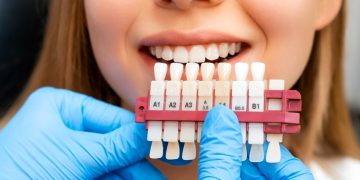















A smile is universally recognized as a signal of joy, warmth, and approachability. Yet, not all smiles are created equal in the eyes of the beholder. The aesthetics of a smile—the alignment, color, and health of the teeth—wield a profound and often unspoken power over our social interactions, our professional opportunities, and, most intimately, our sense of self. The pursuit of a beautiful smile through cosmetic dentistry is frequently dismissed as mere vanity, but this overlooks a deep and complex psychological reality. A smile is not just a set of teeth; it is a core component of our identity and our primary non-verbal communication tool. So, what is the true psychological impact of an attractive smile, and how does it shape both how we are seen by the world and how we see ourselves?
This exploration moves beyond the dental chair to delve into the realms of social psychology and personal identity. We will examine the compelling evidence from perception studies that reveal the instant judgments we make based on a smile, investigate the tangible effects of smile enhancement on self-esteem and confidence, and unpack the diverse motivations that drive individuals to seek cosmetic dental care, revealing that the desire for a better smile is often a desire for a better life.
The Halo Effect: How a Smile Shapes Social Perception
Within milliseconds of meeting someone, we make a series of subconscious judgments, and the smile is a central piece of evidence in this rapid cognitive trial. Social psychologists refer to the “halo effect,” a cognitive bias where our overall impression of a person in one positive area (a beautiful smile) influences our perceptions of their other traits.
Numerous perception studies have quantified this effect with striking consistency:
- Attractiveness and Likeability: Individuals with well-aligned, white teeth are consistently rated as more attractive, more likeable, and more socially competent than those with crooked, discolored, or missing teeth. A study published in the Journal of Oral Rehabilitation found that alterations to a smile, such as tooth discoloration or misalignment, had a significant negative impact on ratings of attractiveness.
- Perceived Intelligence and Academic Success: Research has shown that people with attractive smiles are often perceived as more intelligent and are more likely to be predicted to achieve higher academic success. This perception can create a self-fulfilling prophecy, opening doors to mentorship and opportunities.
- Trustworthiness and Professional Success: In the professional realm, a healthy smile is subconsciously linked to health, vitality, and attention to detail. A person with an attractive smile is often perceived as more trustworthy, more employable, and more likely to be recommended for a job or promotion. Conversely, dental imperfections can be unfairly associated with poor health habits or a lack of professional diligence.
These snap judgments are not fair, but they are a powerful social reality. The smile acts as a non-verbal resume, communicating volumes about us before we even speak a word.

The Internal Transformation: Smile Aesthetics and Self-Esteem
While the external judgments are powerful, the internal psychological effects of a smile are perhaps even more transformative. The relationship between smile aesthetics and self-esteem is a reinforcing loop.
The Inhibition Cycle:
Individuals who are self-conscious about their teeth often fall into a pattern of smile inhibition. They may:
- Cover their mouth with their hand when laughing or speaking.
- Avoid smiling fully, leading to a tight-lipped or unnatural expression.
- Withdraw from social situations, photography, or public speaking to avoid drawing attention to their mouth.
This behavioral modification is emotionally taxing. It creates a constant, low-grade anxiety in social settings and reinforces feelings of shame and inadequacy. The self is edited and hidden, preventing authentic connection with others.
The Liberation of Enhancement:
When such individuals undergo cosmetic smile improvement, the psychological shift is often dramatic. Clinical studies and countless patient testimonials report:
- A Surge in Social Confidence: The fear of judgment dissipates, allowing for spontaneous, unselfconscious smiling and laughter. This openness fosters deeper social connections and reduces anxiety.
- Increased Willingness to Engage: Patients often report a newfound willingness to pursue social activities, romantic relationships, and professional opportunities they previously avoided.
- Improved Self-Perception: The external change serves as a catalyst for a revised internal self-image. The individual no longer sees themselves as “the person with bad teeth,” but as someone who is attractive and confident. This can be a profoundly empowering identity shift.
This is not merely about “feeling prettier.” It is about the removal of a psychological barrier that was inhibiting personal freedom and expression. The act of smiling itself has been shown to release endorphins and reduce stress hormones; when someone feels free to smile fully and frequently, they actively improve their own mental well-being.
The Deeper Drive: Unpacking the Motivations for Cosmetic Dentistry
Understanding why people invest in cosmetic dentistry reveals that the motivation is rarely superficial. It typically falls into three interconnected categories:
- The Restorative Motivation: Reclaiming What Was Lost. For many, especially those who have experienced dental trauma, decay, or age-related wear, cosmetic dentistry is about restoration. It is an effort to return to a former state of oral health and appearance, to undo the visual evidence of time or accident. This motivation is deeply rooted in a desire for normalcy and the eradication of a reminder of past pain or neglect.
- The Enhancement Motivation: Achieving an Ideal Self. For others, the goal is not to fix a perceived problem, but to elevate their smile to its full potential. This is often driven by a personal standard of excellence and a desire for self-actualization. They see their smile as an asset and wish to invest in it, much like one would invest in education or fitness, to become the most confident and capable version of themselves.
- The Social and Professional Motivation: Keeping Pace. In an increasingly image-conscious and competitive world, a bright, healthy smile is often viewed as a social and professional necessity. The motivation here is extrinsic—driven by the understanding that a pleasing smile can facilitate success in dating, networking, and career advancement. It is a strategic investment in one’s social capital.
Conclusion: The Smile as a Keystone of Identity
The psychology of a beautiful smile demonstrates that the benefits of cosmetic dentistry extend far beyond the enamel. A smile is a keystone habit; an improvement in this one area can trigger positive changes across an individual’s entire life. It alters how the world perceives them, shifting judgments toward the positive in crucial domains of attractiveness, trust, and competence. More importantly, it transforms how they perceive themselves, breaking the cycle of smile inhibition and unleashing a more confident, engaged, and authentic self.
The decision to enhance one’s smile is, therefore, not a simple act of vanity. It is a psychologically nuanced investment in social mobility, personal well-being, and the fundamental human need to connect with others without barrier or shame. In the end, a confident smile is not just a reflection of happiness; it is a generator of it.









Discussion about this post