










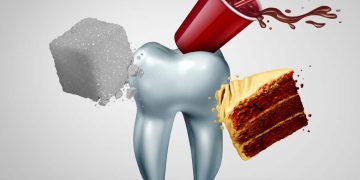












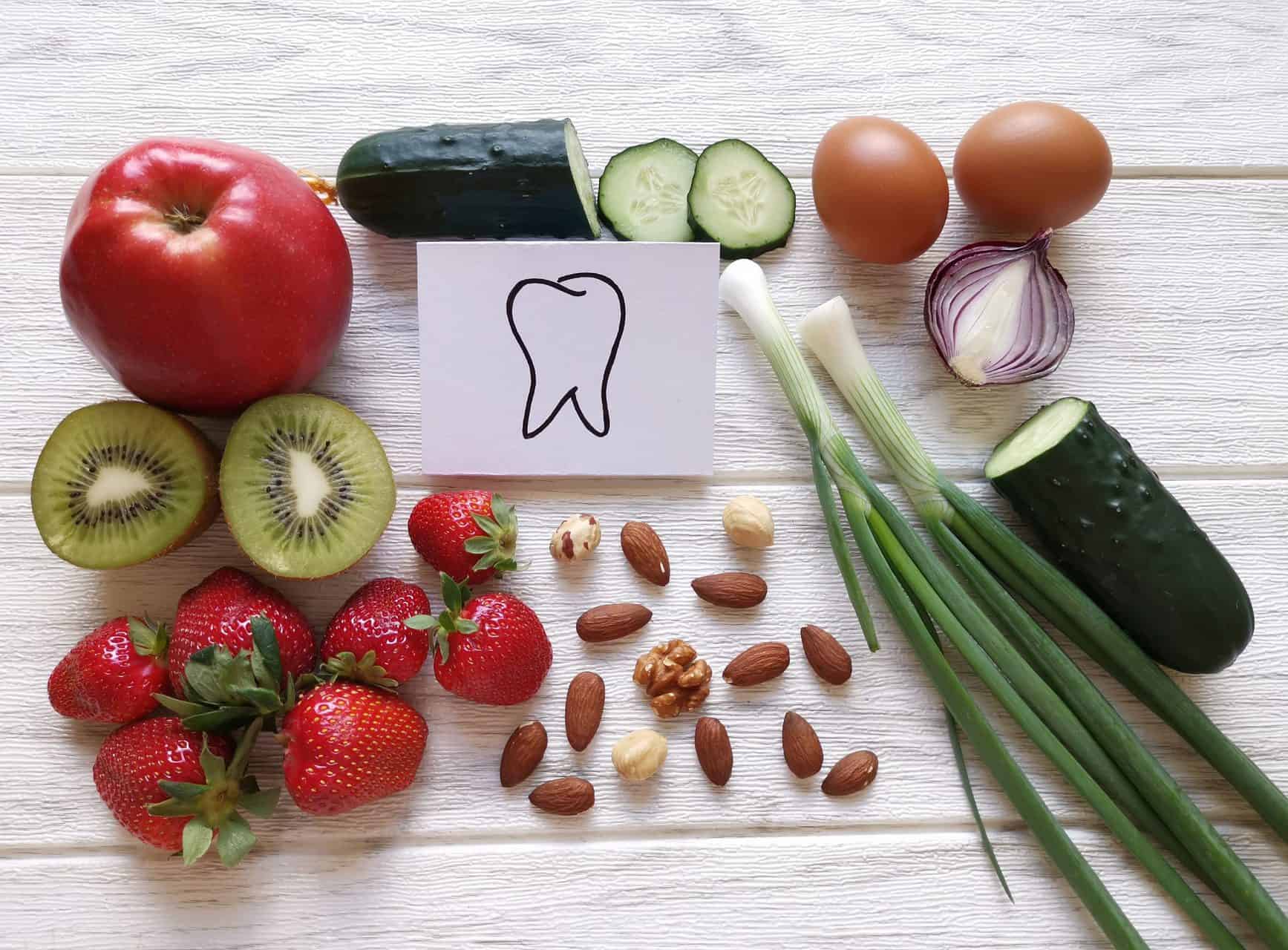
Maintaining healthy teeth is a daily challenge, especially in a world where sugary snacks, acidic drinks, and processed foods are commonplace. While brushing, flossing, and regular dental visits are essential, nutrition plays an equally vital role in preserving oral health. Among various dietary choices, dairy products have emerged as natural allies for teeth, thanks to their rich content of calcium, casein, phosphorus, and even synergistic effects with fluoride.
But how exactly do dairy products contribute to stronger teeth? Are all dairy foods equally beneficial? How should they be consumed to maximize protective effects? This article explores the science behind dairy and dental health, the role of key nutrients, the synergy with fluoride, and practical consumption tips to naturally protect your teeth.
Why Nutrition Matters for Dental Health
Teeth are living structures composed primarily of enamel, dentin, and pulp. Enamel—the outermost layer—is the hardest substance in the body but is highly susceptible to demineralization caused by acids from foods and bacterial activity. Diet plays a central role in:
- Maintaining mineral density
- Neutralizing oral acidity
- Supporting saliva production
- Reducing bacterial adhesion and plaque formation
Among all nutrients, calcium, phosphorus, and proteins found in dairy have shown significant protective effects against tooth decay and enamel erosion.
Calcium: The Building Block of Strong Teeth
Calcium is crucial for maintaining the structural integrity of teeth and bones. It contributes to:
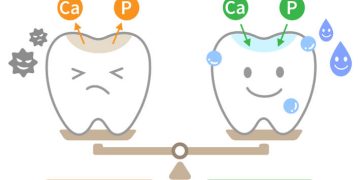
- Enamel hardness: Calcium phosphate compounds strengthen enamel and increase resistance to acid attacks.
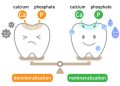
- Remineralization: When acids from bacteria or food temporarily weaken enamel, calcium helps restore lost minerals.
- Overall dental health: Adequate calcium intake reduces the risk of cavities and supports jawbone strength, which is essential for proper tooth alignment.
Dairy Sources of Calcium
- Milk: A standard source providing approximately 300 mg of calcium per cup.
- Cheese: Hard cheeses like cheddar or Swiss are highly concentrated, often containing more calcium per serving than milk.
- Yogurt: Rich in calcium and probiotics, enhancing both mineral content and oral microbiome balance.
Calcium from dairy is highly bioavailable, meaning the body can absorb and utilize it efficiently compared to some plant sources.
Casein: A Protein That Protects Enamel
Casein, the primary protein in milk, plays a unique role in dental health beyond general nutrition. Its protective properties include:
1. Forming a Protective Layer
Casein binds to enamel surfaces, creating a thin protective film that resists acid erosion.
2. Promoting Remineralization
Casein phosphopeptides (CPP) in milk and cheese stabilize calcium and phosphate ions in saliva, allowing them to penetrate enamel and repair early demineralization spots.
3. Inhibiting Bacterial Adhesion
By coating teeth, casein reduces the ability of harmful bacteria like Streptococcus mutans to attach, decreasing plaque formation and cavity risk.
Phosphorus: The Partner of Calcium
Calcium works best in combination with phosphorus. This mineral supports:
- Formation of hydroxyapatite, the crystalline structure in enamel
- Rebuilding of enamel after acid attacks
- Optimal balance in saliva to maintain oral pH
Most dairy products naturally contain both calcium and phosphorus, creating a synergistic effect that strengthens teeth more effectively than either nutrient alone.
Fluoride Synergy: Dairy Meets Oral Hygiene
Fluoride is well-known for its cavity-preventing properties. Dairy can enhance fluoride’s effectiveness in several ways:
1. Increasing Fluoride Uptake
Calcium in milk interacts with fluoride in saliva, helping it bind more effectively to enamel and promoting remineralization.
2. Reducing Acid Damage
Dairy’s buffering effect raises the pH in the mouth, allowing fluoride to work in a less acidic environment.
3. Supporting Long-Term Protection
Regular consumption of dairy combined with fluoride toothpaste or treatments strengthens enamel over time, creating a durable defense against cavities.
Scientific Evidence Supporting Dairy’s Protective Role
Numerous studies confirm the benefits of dairy in oral health:
- Cheese and cavity reduction: Research shows that consuming 20–30 grams of cheese after meals can significantly reduce plaque acid levels.
- Milk and enamel remineralization: Calcium and casein in milk help restore mineral loss from early enamel lesions.
- Yogurt and oral microbiome: Probiotic-rich yogurts can balance oral bacteria, reducing harmful species that contribute to decay.
The protective effects are most pronounced when dairy is consumed regularly as part of meals, rather than as a single snack.

Practical Tips for Incorporating Dairy for Dental Health
While dairy is beneficial, how and when you consume it matters.
1. Prefer Cheese and Milk After Meals
Consuming cheese or a small glass of milk after meals helps neutralize acids from other foods and enhances remineralization.
2. Choose Low-Sugar Options
Flavored milks and sweetened yogurts can contribute to decay. Opt for unsweetened or lightly sweetened products.
3. Combine With Fluoride Toothpaste
Brushing with fluoride toothpaste complements the mineral support from dairy, ensuring enamel protection is maximized.
4. Consider Probiotic Yogurts
Probiotic strains such as Lactobacillus and Bifidobacterium support oral microbiome balance, reducing cavity-causing bacteria.
5. Frequency Over Quantity
Regular small servings of dairy throughout the day are more effective than consuming large amounts in a single sitting.
Additional Benefits Beyond Teeth
Dairy contributes to oral health beyond just enamel protection:
- Saliva stimulation: Chewing cheese or yogurt promotes saliva flow, naturally washing away sugars and acids.
- Jaw and bone support: Adequate calcium intake supports jawbone density, which is critical for tooth stability.
- Overall nutrient profile: Vitamins D and A in dairy enhance calcium absorption and gum health.
Cautions and Considerations
While dairy offers many benefits, some considerations include:
- Lactose intolerance: People with lactose intolerance can choose lactose-free milk, hard cheeses, or fortified plant-based alternatives with added calcium and phosphorus.
- Sugar content: Flavored dairy products may contain added sugars, which can counteract dental benefits.
- Balanced diet: Dairy is one component; fruits, vegetables, water, and oral hygiene remain essential.
Conclusion: A Natural Ally for Healthy Teeth
Dairy products provide a natural, scientifically supported way to protect and strengthen teeth. Through the combined action of calcium, phosphorus, casein, and their synergy with fluoride, dairy enhances enamel remineralization, reduces acid damage, and supports a healthy oral microbiome. By integrating dairy intelligently into your diet—preferably after meals and alongside good oral hygiene—you can leverage nature’s tools to maintain a strong, healthy, and beautiful smile.
While dairy alone is not a cure-all, its consistent inclusion as part of a balanced dental care regimen makes it a powerful, natural ally for teeth protection.









Discussion about this post