





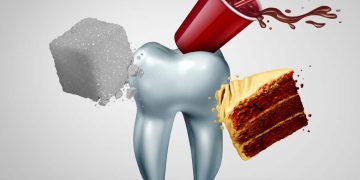









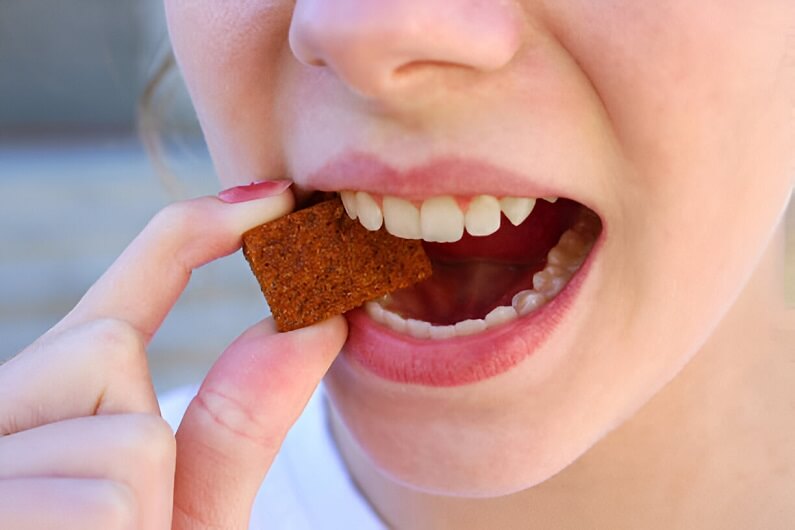
The modern diet is often characterized by constant grazing, with snacks bridging the gap between breakfast, lunch, and dinner. While this can help maintain energy levels, it poses a significant challenge to oral health. Every time we eat, the pH level in our mouth drops into the acidic range, creating an environment where cavity-causing bacteria thrive. This “acid attack” can last for 20-30 minutes after eating. Therefore, the choice of snack is not merely about calories or nutrition; it is a direct determinant of your teeth’s exposure to harmful acids. So, what should you reach for when hunger strikes between meals to satisfy your cravings while actively protecting your enamel?
The secret lies in choosing snacks that are not just low in sugar, but that can actively counteract the demineralization process. The ideal between-meal snack does one or more of the following: stimulates protective saliva flow, neutralizes plaque acids, or provides essential minerals for enamel remineralization. This article will explore the science behind the top tooth-friendly snacks—including cheese, nuts, and fibrous vegetables—and explain why the timing of your snacking is just as important as what you’re eating.
The Powerhouse Protector: Cheese and Dairy
Cheese is, without a doubt, one of the best snacks you can choose for your teeth. Its benefits are multi-faceted and backed by robust scientific evidence, making it far more than just a source of calcium.
The Science of Saliva and pH Neutralization:
Studies, including those published in the journal General Dentistry, have demonstrated that eating cheese immediately after a sugary or acidic food or drink can help raise the intra-oral pH, effectively neutralizing the acids that would otherwise attack the enamel. This is due to several mechanisms:
- Stimulation of Saliva Flow: The act of chewing cheese stimulates the production of saliva. Saliva is the mouth’s natural defense system, rich in calcium, phosphate, and bicarbonate buffers that dilute and neutralize acids.
- The Cheese “Film”: Cheese contains casein, a protein that, along with calcium and phosphate, can form a protective film over the tooth surface. This film acts as a temporary barrier, shielding the enamel from direct acid contact and providing a local source of remineralizing ions.
- Direct Chemical Action: Some research suggests that certain compounds in cheese may have a direct chemical effect, raising the pH in the plaque biofilm itself.
Remineralization Boost:
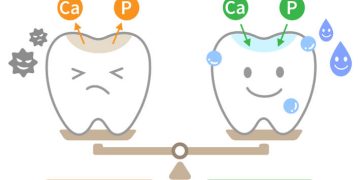
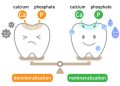
Beyond protection, cheese provides the raw materials for repair. It is rich in calcium and phosphate, the very building blocks of hydroxyapatite, the mineral that makes up tooth enamel. By increasing the concentration of these ions in the saliva, cheese creates an environment that supports the natural remineralization of microscopic enamel defects, making teeth stronger over time.
Other dairy products like plain yogurt and milk offer similar benefits, providing calcium and phosphate without the high sugar content of flavored varieties.
The Gentle Abrasives: Nuts and Seeds
Nuts are another excellent choice for a tooth-friendly snack, offering a unique combination of mechanical and nutritional benefits.
The Mechanical Cleaning Action:
Nuts require a fair amount of chewing. This vigorous mastication acts as a gentle, natural abrasive, helping to scrub away some of the newly formed plaque and food debris from the tooth surfaces. Furthermore, the fibrous texture of nuts does not stick to teeth easily, unlike sticky, sugary snacks that can cling to grooves and crevices for hours.
A Nutrient Powerhouse for Teeth:
Different nuts provide a spectrum of essential micronutrients:
- Calcium: Almonds and Brazil nuts are good sources of calcium, directly supporting the mineral structure of teeth.
- Phosphorus: Found abundantly in cashews, almonds, and pistachios, phosphorus works in tandem with calcium to build and maintain strong enamel.
- Healthy Fats: The natural oils in nuts can create a slight coating on the teeth, which may help reduce the adhesion of bacteria.
It’s best to choose raw or dry-roasted nuts without added sugar, honey, or salty coatings.
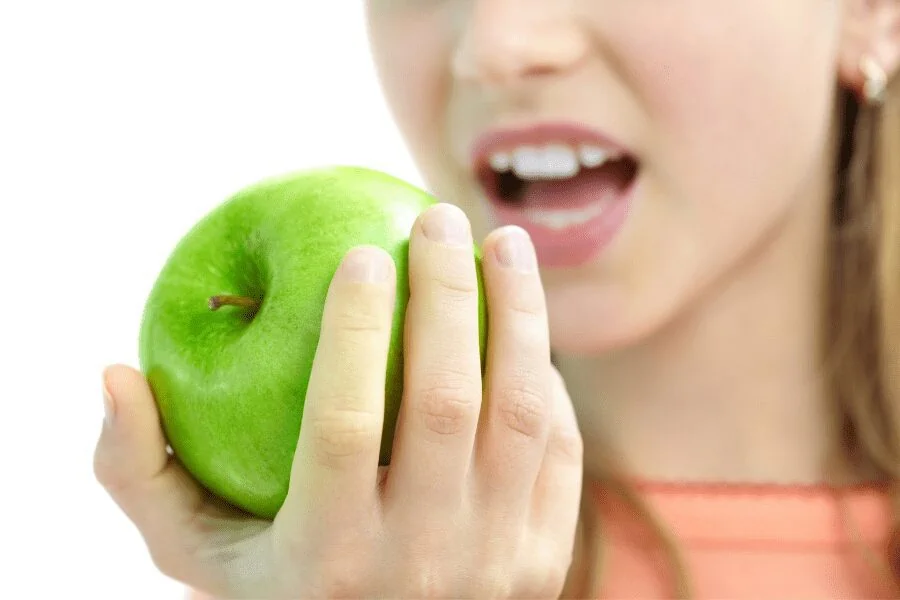
Nature’s Toothbrush: Fibrous Vegetables and Crunchy Fruits
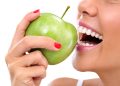
Fibrous, crunchy vegetables are often called “nature’s toothbrush” for good reason. They are high in water and fiber and require significant chewing, which provides a powerful cleansing action.
The Cleansing Mechanism:
When you chew on a raw carrot, celery stick, apple, or cucumber, the firm, fibrous texture:
- Scrubs Surfaces: Physically scrubs the outer surfaces of the teeth, disrupting plaque.
- Stimulates Gums: The massage-like action on the gums during chewing promotes blood circulation, which helps keep gum tissue healthy and resilient.
- Flushes Debris: The high water content in these foods helps to rinse away food particles and sugars, while the copious saliva produced during chewing further dilutes acids.
The Best Choices:
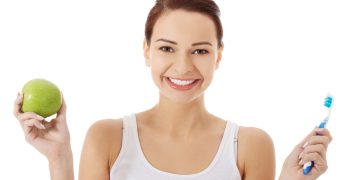
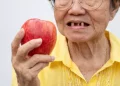
- Apples: While they contain natural sugar, their high water and fiber content make them a much better choice than processed sweets. The skin provides additional scrubbing action.
- Carrots and Celery: These are classic choices, acting as effective plaque-disrupting agents.
- Broccoli and Cauliflower: These can be eaten raw with a healthy dip like hummus for a satisfying and cleansing snack.
The Critical Factor: Timing and Frequency
Even the healthiest snack can contribute to decay if consumed incorrectly. The most important principle in snacking for oral health is to consider the frequency of acid attacks, not just the content of the snack.
The Grazing Danger:
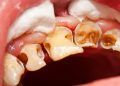
The mouth needs extended periods of rest between eating episodes to allow saliva to neutralize acids and remineralize enamel. If you sip a sugar-free latte for two hours or nibble on snacks throughout the afternoon, you are maintaining a constant state of low pH, giving your teeth no chance to recover. This continuous acid bath is far more damaging than eating a larger amount of a sugary food in one sitting and then stopping.
Strategic Snacking Guidelines:
- Consolidate Your Snacks: Instead of grazing, try to have one or two designated snack times. Finish your snack within a 15-20 minute window, and then do not eat or drink anything (except water) for the next 1-2 hours.
- Water is Your Ally: After any snack, swish your mouth with water to help wash away food particles. Drinking water throughout the day, especially fluoridated water, is one of the simplest and most effective things you can do for your teeth.
- The Right Order: If you are going to consume something acidic (like citrus fruit) or sugary, try to eat your cheese or nuts at the end of the snack. This can help neutralize the acids produced.
Conclusion: Snacking with Intention for Lifelong Dental Health
The quest for strong teeth does not require eliminating snacks; it demands choosing them with intention and strategy. By shifting your snacking habits towards foods that actively protect and strengthen your teeth—like cheese, nuts, and fibrous vegetables—you can turn a potential threat to your enamel into an opportunity for reinforcement.
More importantly, by understanding the critical role of timing and giving your mouth adequate rest between eating episodes, you empower your body’s own natural defense system—your saliva—to do its job effectively. This combination of smart food choices and strategic timing is the ultimate recipe for maintaining a healthy, resilient smile, ensuring that your between-meal cravings support your dental health rather than undermine it.




Discussion about this post