








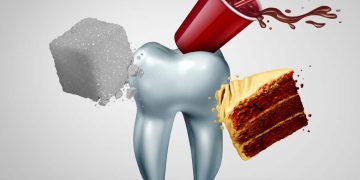












Carbonated drinks are one of the most popular beverages worldwide, ranging from sodas and sparkling waters to energy drinks and fizzy flavored drinks. While they are often refreshing and convenient, research shows that carbonated beverages can have a significant impact on dental health. These drinks are acidic and frequently contain sugars, creating conditions that accelerate enamel erosion, tooth decay, and sensitivity. Understanding the science behind their effects, reviewing the latest erosion studies, and learning strategies to mitigate damage is essential for anyone looking to maintain healthy teeth.
This article delves into the chemistry of carbonated drinks, their effect on enamel and oral pH, documented erosion studies, and practical strategies to protect your teeth without giving up your favorite fizzy beverages.
Why Carbonated Drinks Are Harmful to Teeth
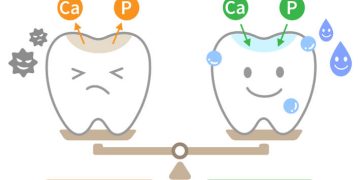
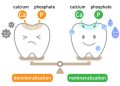
Carbonated drinks are acidic due to dissolved carbon dioxide, which forms carbonic acid when combined with water. Many soft drinks also contain phosphoric or citric acids, further lowering pH levels. Acidity, combined with sugar content, creates a perfect environment for demineralization, the process by which tooth enamel loses essential minerals like calcium and phosphate.
Key Factors Contributing to Damage
- Acidity: The pH of carbonated drinks often ranges between 2.5 and 4.0, far below the critical pH of 5.5 where enamel starts to demineralize.
- Sugar Content: Sugars feed oral bacteria, which produce additional acids that further erode enamel.
- Frequency of Consumption: Sipping throughout the day prolongs acid exposure, increasing cumulative damage.
- Temperature and Carbonation Level: Colder and more highly carbonated beverages may prolong enamel exposure to acids.
The Science of pH Levels and Enamel Erosion
1. Understanding Oral pH
Healthy saliva maintains a neutral pH of around 6.8–7.0. When oral pH drops below 5.5, enamel demineralization begins. Carbonated drinks can temporarily lower oral pH to levels as low as 3, creating an acidic environment that weakens enamel.
2. Mechanism of Enamel Breakdown
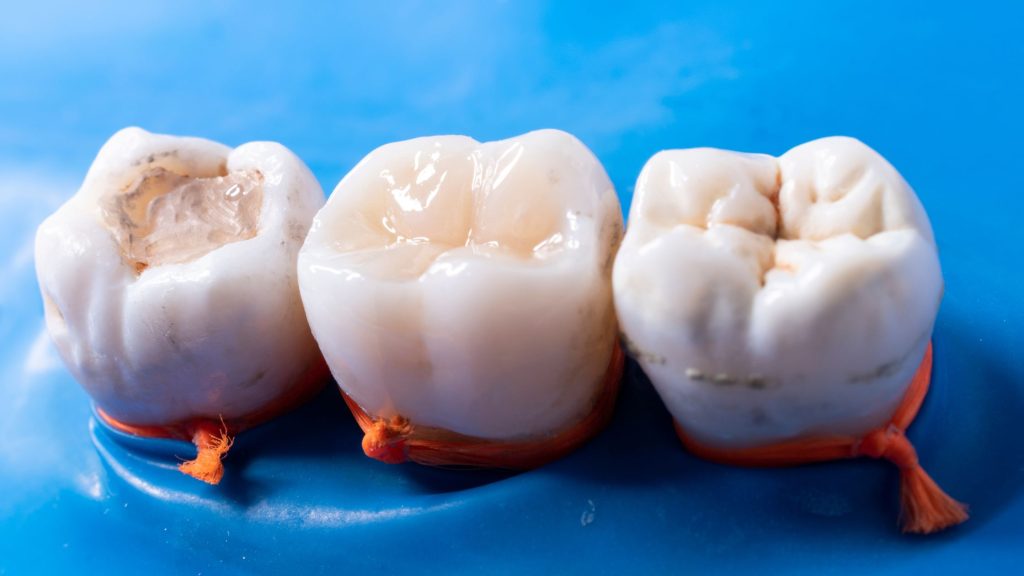
Enamel consists primarily of hydroxyapatite crystals. Acids dissolve these crystals in a process called demineralization. Repeated exposure can lead to:
- Surface softening
- Increased porosity
- White spot lesions
- Progressive erosion if not remediated
3. Role of Carbonic, Citric, and Phosphoric Acids
- Carbonic acid: Mildly acidic, contributes to enamel softening over repeated exposure.
- Citric acid: Found in fruit-flavored sodas and energy drinks, binds to calcium and accelerates enamel loss.
- Phosphoric acid: Common in colas, creates strong acidity and reduces calcium availability for remineralization.
Evidence From Erosion Studies
1. In Vitro Laboratory Studies
Researchers often use extracted teeth in controlled lab settings to simulate acid exposure. Findings indicate:
- Enamel softening occurs within minutes of contact with cola and citrus-based sodas.
- Repeated exposure leads to measurable surface loss over weeks, mimicking long-term consumption.
- Sugar-free sodas, while lacking fermentable carbohydrates, still cause significant acid erosion due to low pH.
2. In Vivo Studies on Human Subjects
Clinical studies with participants consuming carbonated drinks show:
- Higher prevalence of enamel erosion in frequent soda drinkers
- Increased tooth sensitivity, especially at the gum line
- Greater need for restorative dental work among habitual soda consumers
3. Comparison Between Drinks
- Colas: Contain phosphoric acid; moderate erosion potential
- Citrus sodas: Contain citric acid; higher erosion potential
- Diet sodas: Sugar-free but acidic; still cause enamel softening
- Sparkling water: Mildly acidic; lower risk if consumed without added flavorings
These studies emphasize that acidity, not just sugar, is the primary factor in enamel erosion.
Mitigation Strategies: Protecting Teeth From Carbonated Drinks
While avoiding carbonated drinks entirely is the most effective method, there are several strategies to minimize damage for those who consume them regularly.
1. Timing and Frequency
- Limit consumption to mealtimes rather than sipping throughout the day.
- Minimize prolonged contact with teeth.
2. Rinse or Drink Water Afterwards
- Rinse with water to neutralize acids.
- Drinking water helps wash away residual sugars and acids, raising oral pH.
3. Avoid Brushing Immediately After Drinking
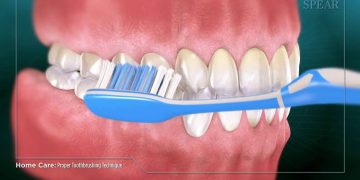
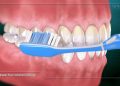
- Brushing soft enamel right after acid exposure can accelerate wear.
- Wait 30–60 minutes to allow enamel to remineralize.
4. Use a Straw
- Directs liquid past the teeth, reducing surface contact.
5. Consume Dairy or Calcium-Rich Foods
- Cheese, milk, or yogurt after drinking can help neutralize acids and provide minerals for enamel repair.
6. Fluoride Use
- Fluoride toothpaste and mouth rinses strengthen enamel and improve remineralization.
7. Choose Low-Acid Alternatives
- Carbonated water without added citric acid
- Milk-based beverages or smoothies
- Herbal teas and diluted fruit juices
Understanding Long-Term Risks
Frequent exposure to carbonated drinks without proper mitigation can lead to:
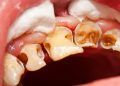
- Enamel thinning and transparency
- Increased sensitivity to hot, cold, or sweet foods
- Higher likelihood of cavities
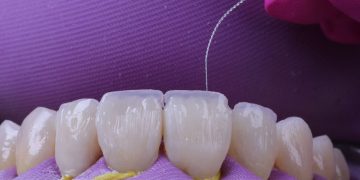
- Discoloration due to loss of surface enamel
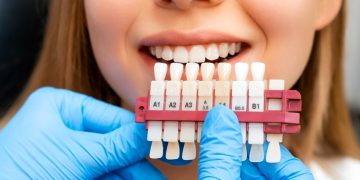
- Need for restorative dentistry such as fillings, veneers, or crowns
Early awareness and intervention are crucial to maintaining enamel integrity over a lifetime.
Balancing Enjoyment and Oral Health
It is possible to enjoy carbonated drinks while maintaining healthy teeth by combining:
- Moderation: Limit frequency and quantity
- Protective habits: Water rinsing, straws, dairy consumption
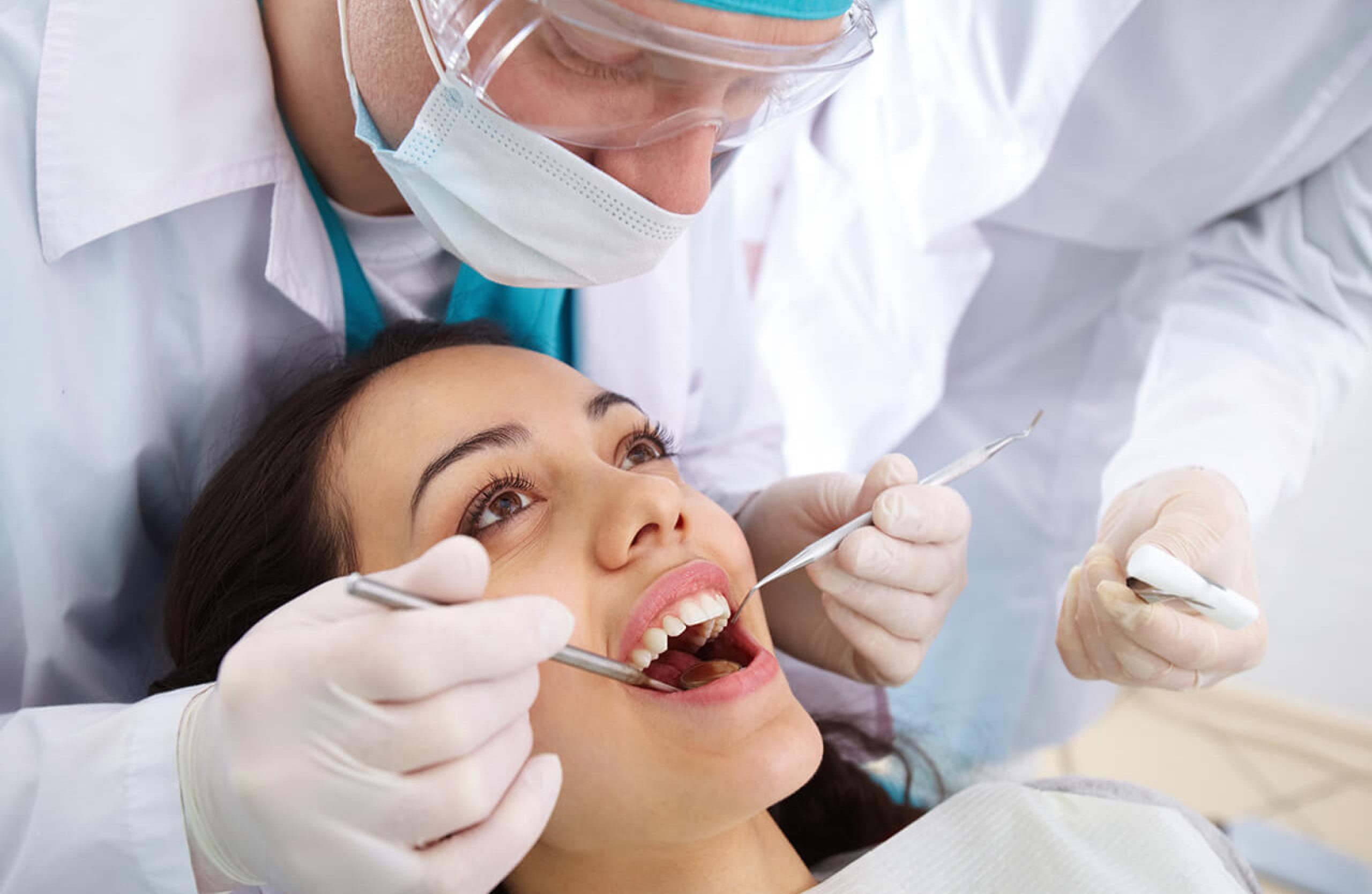
- Regular dental care: Professional cleanings, fluoride treatments, monitoring for erosion
Education on the chemistry of acidity, enamel demineralization, and lifestyle factors empowers consumers to make informed choices.
Conclusion: A Fizzy Challenge to Your Smile
Carbonated drinks pose a measurable risk to dental health primarily due to their acidity. Sugar content compounds this risk by fueling bacterial acid production. Both in vitro and in vivo studies confirm enamel erosion, tooth sensitivity, and higher cavity rates among habitual consumers.
Preventive strategies such as limiting frequency, using a straw, rinsing with water, waiting to brush, and incorporating fluoride and calcium-rich foods can mitigate damage. While completely avoiding carbonated drinks is ideal, mindful consumption combined with good oral hygiene allows for a balance between enjoyment and dental protection. Understanding how these beverages interact with teeth is the first step toward long-term oral health.








Discussion about this post