




















The popularity of veganism has grown significantly in recent years, driven by ethical, environmental, and health considerations. While plant-based diets can offer numerous health benefits, including lower risks of heart disease and certain cancers, they also present unique challenges for oral health. Teeth and gums require a balance of essential nutrients to maintain enamel strength, prevent cavities, and support overall oral function. Without careful planning, a vegan diet may inadvertently increase the risk of deficiencies that affect dental health.
This article explores the relationship between veganism and dental health, focusing on the roles of vitamin B12, calcium, and other key nutrients, identifying alternative sources, and providing practical supplementation tips to protect your teeth naturally.
Understanding the Nutrients Essential for Healthy Teeth
Teeth are living structures made up of enamel, dentin, pulp, and surrounding bone. Maintaining their health depends on adequate intake of minerals and vitamins. Some of the most important nutrients include:
- Calcium: For enamel and jawbone strength
- Vitamin D: Facilitates calcium absorption
- Vitamin B12: Supports gum and nerve health
- Phosphorus: Works with calcium to maintain mineral density
- Protein: Builds and repairs oral tissues
- Fluoride: Enhances enamel resistance to acid attacks
A vegan diet can provide many of these nutrients through plants, but B12 and bioavailable calcium often require careful planning or supplementation.
Vitamin B12 and Its Impact on Oral Health
Vitamin B12 is critical for nerve health, red blood cell production, and oral tissue maintenance. A deficiency can manifest in the mouth through:
- Glossitis: Inflammation of the tongue
- Burning mouth syndrome: Pain and tingling
- Gum disease susceptibility: B12 supports tissue repair and immune function
- Increased risk of tooth decay: Indirectly, due to compromised oral health
Since B12 is primarily found in animal products, vegans are at higher risk of deficiency. Plant-based sources are limited, including:
- Fortified plant milks and cereals
- Nutritional yeast
- B12-fortified meat alternatives
Supplementation is often recommended to ensure adequate intake, particularly for long-term vegans.
Calcium: Building and Maintaining Strong Enamel
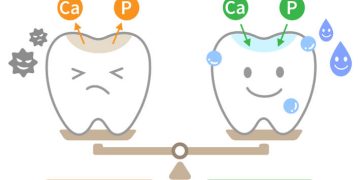
Calcium is the primary mineral in tooth enamel and jawbone. Insufficient calcium can lead to:
- Weakened enamel that is more susceptible to erosion
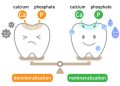
- Higher cavity risk due to decreased remineralization capacity
- Gum and bone issues over time
Vegan Calcium Sources:
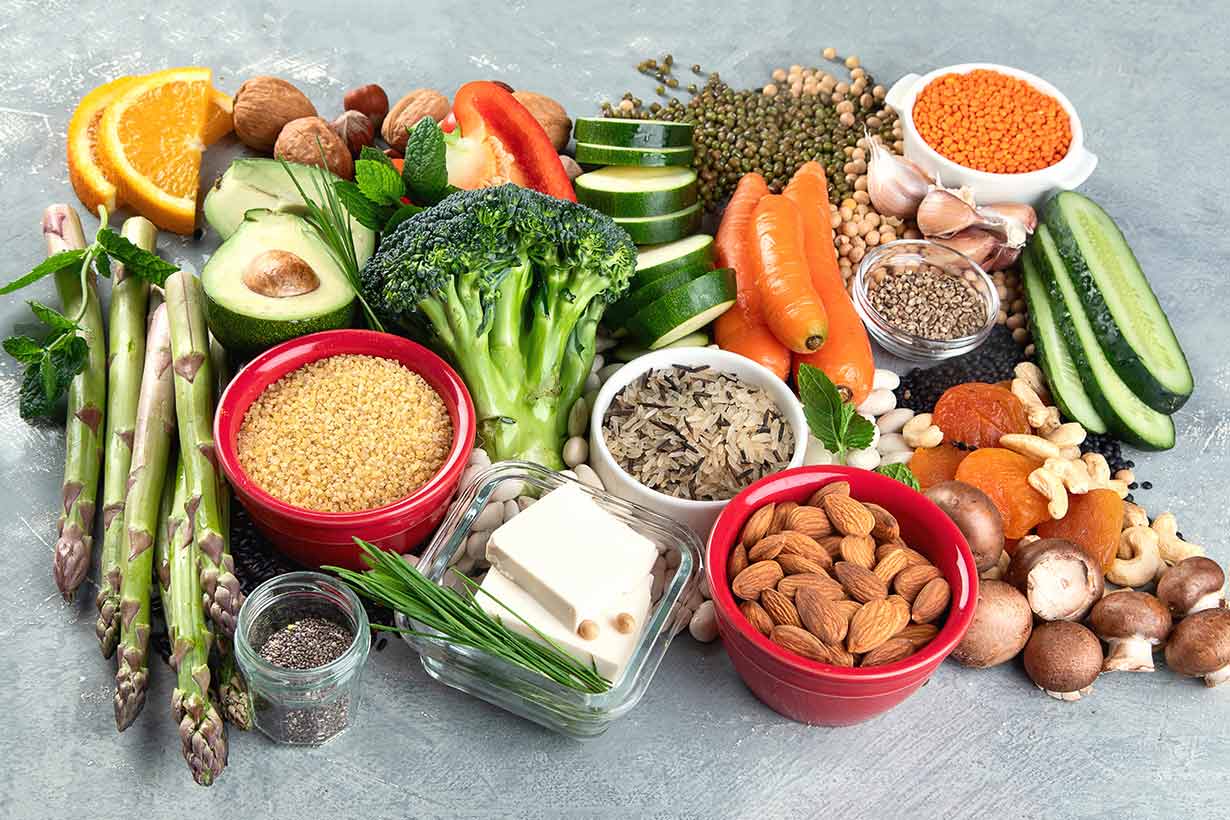
- Fortified plant milks (almond, soy, oat)
- Tofu made with calcium sulfate
- Almonds and sesame seeds
- Leafy greens such as kale and bok choy
- Broccoli and okra
Calcium absorption can be influenced by oxalates found in some plants (e.g., spinach) which bind calcium and reduce bioavailability. Diversifying sources and including fortified foods is key.
Vitamin D and Phosphorus: Supporting Mineral Balance
Vitamin D:
- Helps the body absorb calcium
- Supports bone and tooth mineralization
- Vegan sources are limited: fortified plant milks, UV-exposed mushrooms, or supplements
Phosphorus:
- Works with calcium to form hydroxyapatite in enamel
- Found in beans, lentils, nuts, seeds, and whole grains
A deficiency in either nutrient can compromise enamel strength and increase cavity risk.
Protein: Repairing Oral Tissues
Proteins provide the building blocks for oral tissues, including:
- Dentin
- Gum tissue
- Salivary enzymes that protect against bacteria
Vegan protein sources include:
- Legumes (beans, lentils, chickpeas)
- Soy products (tofu, tempeh, edamame)
- Nuts and seeds
- Whole grains
Ensuring adequate daily protein supports both oral and systemic health.
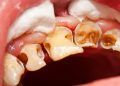
Risk of Tooth Decay on a Vegan Diet
While plant-based diets are naturally lower in saturated fats and may reduce the risk of gum inflammation, certain aspects can increase decay risk:
1. High Carbohydrate Intake
- Vegan diets often include fruits, grains, and plant-based snacks rich in sugars.
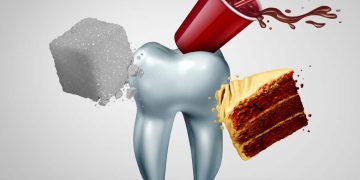
- Frequent sugar consumption feeds oral bacteria, producing acids that erode enamel.
2. Acidic Foods
- Citrus fruits, tomatoes, and fermented plant foods can lower oral pH, increasing demineralization risk.
3. Lack of B12 and Calcium
- Deficiencies may weaken enamel and oral tissue resilience.
Mitigation includes proper meal planning, fortified foods, and oral hygiene practices.
Alternative Sources and Supplementation Tips
For vegans, strategic dietary choices and supplementation can offset nutrient gaps.
1. Vitamin B12
- Take daily or weekly supplements as recommended by healthcare professionals.
- Include fortified foods consistently.
2. Calcium
- Prioritize calcium-fortified plant milks and tofu
- Incorporate nuts and seeds as snacks
- Consider calcium supplements if dietary intake is insufficient
3. Vitamin D
- Spend time outdoors for sunlight exposure
- Include fortified foods
- Use vegan vitamin D3 supplements if needed
4. Fluoride
- Fluoride toothpaste and mouth rinses strengthen enamel
- Fluoride varnish can be applied during dental visits
5. General Oral Hygiene
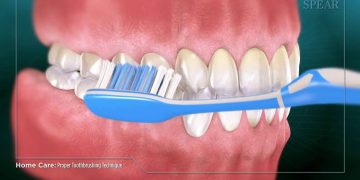
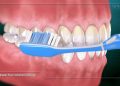
- Brush twice daily with fluoride toothpaste
- Floss daily to remove plaque and food particles
- Regular dental check-ups to monitor enamel and gum health
Practical Meal Planning for Oral Health on a Vegan Diet
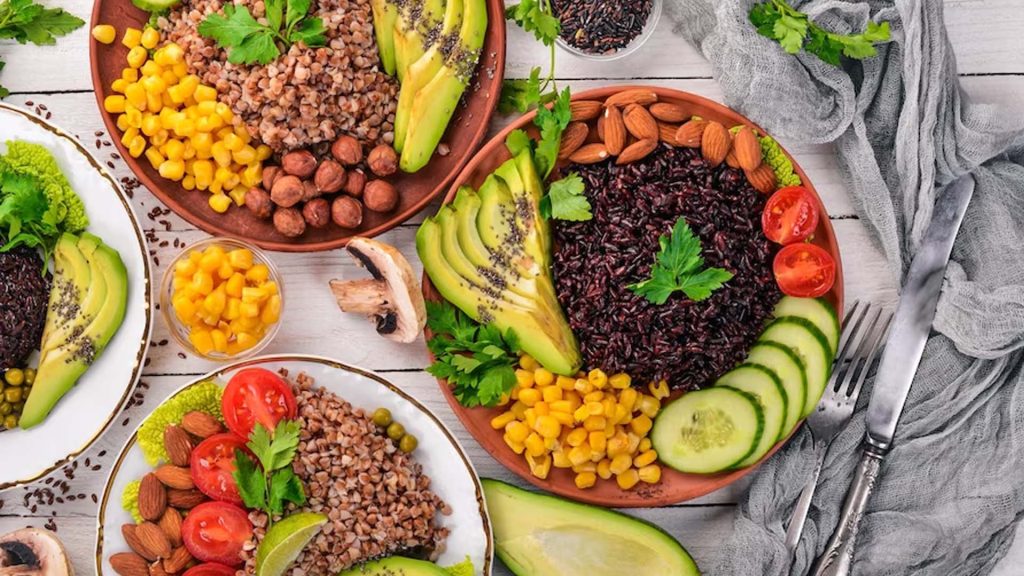
- Breakfast: Fortified plant milk smoothie with almonds and spinach
- Snack: Calcium-fortified soy yogurt or roasted sesame seeds
- Lunch: Lentil salad with leafy greens and seeds
- Snack: Nutritional yeast sprinkled on popcorn or avocado toast
- Dinner: Tofu stir-fry with broccoli and bell peppers
Incorporating fortified foods, balanced proteins, and calcium-rich plants ensures sufficient nutrients for teeth while enjoying a plant-based lifestyle.
Additional Considerations
- Hydration: Saliva is essential for neutralizing acids and remineralizing enamel.
- Timing of Acidic Foods: Avoid constant snacking on acidic or sugary foods.
- Dental Monitoring: Vegans should inform their dentist about their diet so potential deficiencies can be monitored.
Conclusion: A Well-Planned Vegan Diet Can Support Dental Health
A vegan diet does not inherently put teeth at risk, but without careful attention to B12, calcium, vitamin D, and overall nutrient balance, deficiencies can compromise oral health. By consuming fortified foods, taking supplements when necessary, and maintaining excellent oral hygiene, vegans can protect their enamel, gums, and overall dental integrity.
With thoughtful planning, a plant-based lifestyle can support strong, healthy teeth naturally while offering the broader health benefits associated with veganism. Awareness and proactive nutrient management are the keys to preventing potential risks.







Discussion about this post