






















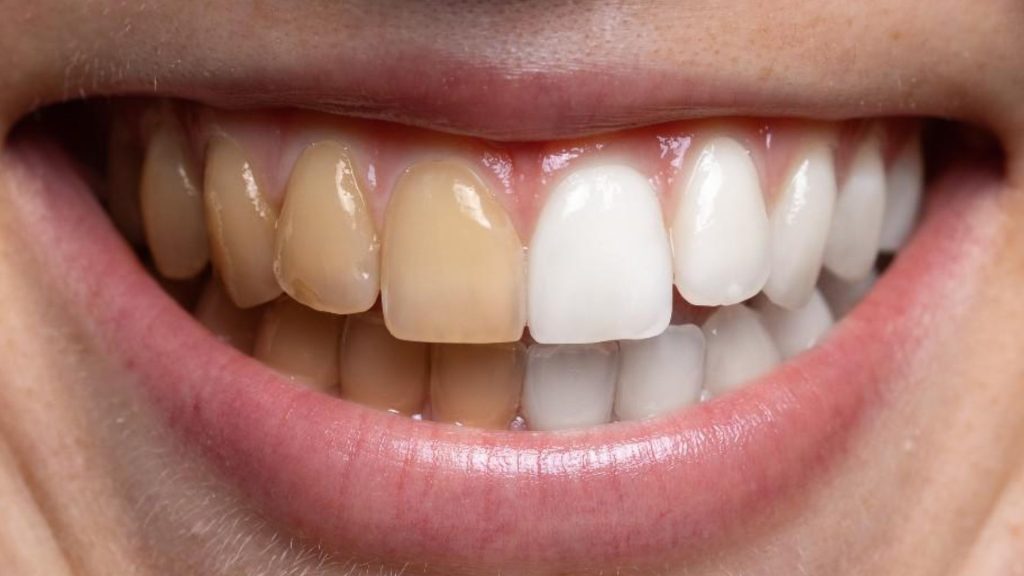
For millions, the day doesn’t truly begin until that first, comforting sip of coffee or tea. These beloved beverages are woven into the fabric of our daily rituals, offering a moment of focus, warmth, and solace. Yet, this daily comfort comes with a well-known aesthetic trade-off: the gradual, stubborn yellowing or browning of our teeth. The battle against these stains can feel futile, leading many to wonder if they must choose between their cherished ritual and a bright smile. The good news is that understanding the enemy—the science behind the stains—empowers you to fight back effectively without having to abandon your cup.
The discoloration from tea and coffee is not a superficial smear but a deep-seated chemical process. However, with strategic habits, you can significantly minimize their impact. And for stains that do take hold, modern dentistry offers a range of effective whitening options. This article will delve into the chemistry of how these beverages stain teeth, outline daily protective habits that create a formidable defense, and explore the professional and at-home whitening strategies that can restore your smile’s brilliance.
The Enemy Within: The Chemistry of Staining
To effectively combat stains, one must first understand how they work. The process is more complex than a simple dye coating the tooth; it involves adhesion and chemical bonding.
The Culprits: Tannins and Chromogens
Both tea and coffee are rich in two types of compounds that are responsible for staining:
- Tannins (Polyphenols): These are astringent plant compounds that give tea and coffee their bitter flavor and dark color. Critically, tannins have a unique chemical property: they act as binding agents. They increase the ability of other staining molecules to adhere to surfaces.
- Chromogens: These are intensely pigmented molecules. In coffee, the primary chromogens are melanoidins, which form during the roasting process. In tea, they are theaflavins and thearubigins, which develop when tea leaves are oxidized.

The Staining Process, Step-by-Step:
- The Porous Canvas: Your tooth enamel, while the hardest substance in the human body, is not perfectly smooth. It is microscopically porous, covered in tiny ridges and pits.
- The Binding Agent Arrives: When you sip tea or coffee, the tannins in the beverage readily bind to the protein-rich pellicle layer that naturally coats your enamel.
- Pigment Deposition: The chromogens (the dark pigments) are then held in place by the tannins, depositing themselves into the microscopic imperfections of the enamel.
- Accumulation and Set-In: With repeated exposure, these pigment molecules accumulate and deepen in color. Over time, they can penetrate deeper into the enamel, creating an intrinsic stain that is much harder to remove.
Interestingly, despite its darker color, black tea is often a more potent stainer than coffee due to its higher tannin content. Herbal and green teas can also cause staining, though typically to a lesser degree.
Building Your Defense: Proactive Protective Habits
You don’t have to give up your favorite drinks to protect your smile. Instead, you can adopt simple, proactive habits that dramatically reduce the contact time and adhesion of staining compounds.
- The Strategic Sip of Water: This is your single most powerful tool. Make it a habit to take a sip of water immediately after a sip of coffee or tea. Swish it around your mouth vigorously. This simple act serves two purposes:
- It physically rinses away the tannins and chromogens before they have time to bind to the enamel.
- It helps neutralize the acidic environment, as both beverages are mildly acidic and can temporarily soften enamel.
- Use a Straw (The Right Way): When drinking iced coffee or tea, always use a straw. Position it towards the back of your mouth to bypass your front teeth entirely. This dramatically reduces the amount of liquid that comes into direct contact with the most visible surfaces of your teeth.
- The Milk Advantage: Adding milk to your tea or coffee isn’t just for taste. The casein protein in milk has a strong affinity for tannins. It can bind to the tannins in the beverage itself, effectively neutralizing them and preventing them from binding to your teeth.
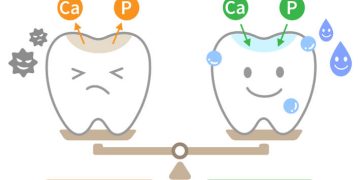
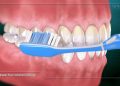
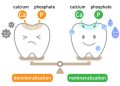
- The 30-Minute Rule: Do NOT Brush Immediately: This is a critical and often misunderstood rule. Both coffee and tea are acidic, which temporarily softens the enamel. If you brush your teeth in this softened state, you are actively brushing away your enamel, making it thinner and more translucent (which can reveal the yellow dentin underneath) and more susceptible to staining in the long run. Wait at least 30 minutes after consumption before brushing to allow your saliva to remineralize and re-harden the enamel.
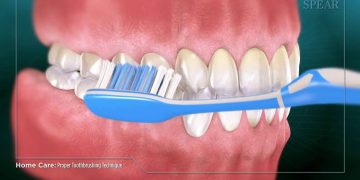
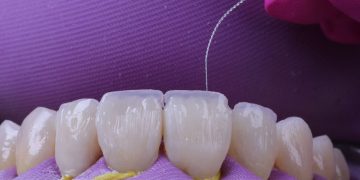
- Maintain Impeccable Oral Hygiene: A clean, smooth tooth surface has fewer places for stains to grab hold. Consistent and thorough brushing with a fluoride toothpaste and daily flossing to remove plaque biofilm is fundamental to preventing stain accumulation.
Restoring Brilliance: Effective Whitening Options
Even with the best habits, some staining is inevitable over time. Fortunately, there are effective ways to reverse it.
At-Home Whitening:
- Whitening Toothpaste: These contain mild abrasives (like hydrated silica) and low concentrations of chemical whiteners (like hydrogen peroxide). They are effective at removing extrinsic (surface) stains through daily use but cannot change the underlying tooth color. Look for the ADA Seal of Acceptance for safety and efficacy.
- Whitening Strips and Gels: These over-the-counter products contain a higher concentration of peroxide (typically 3-10%) than toothpaste. They can lighten teeth by several shades over a few weeks by penetrating the enamel to break down deeper stains. They are effective for mild to moderate staining.
Professional Whitening:
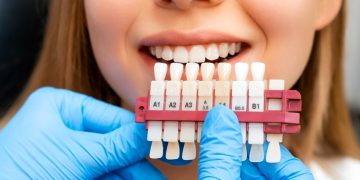
- In-Office Power Whitening: This is the gold standard for speed and results. Dentists use a high-concentration peroxide gel (25-40%) that is activated by a special light or laser. The process is fast (often completed in one 60-90 minute session) and can lighten teeth by 8 or more shades. The gums are meticulously protected, making it the safest option for such dramatic results.
- Take-Home Professional Trays: Your dentist creates custom-fitted trays and provides a professional-grade whitening gel (typically 10-20% carbamide peroxide). This system offers a balance of professional efficacy and at-home convenience, often yielding better and more even results than store-bought kits.
It’s important to note that whitening treatments work best on natural tooth enamel. They will not lighten existing crowns, fillings, or veneers.
Conclusion: A Balanced Approach to Your Brew and Your Smile
A love for tea or coffee does not have to mean a lifetime of compromising on a bright, confident smile. The key is a balanced, informed approach. By understanding the chemical warfare of tannins and chromogens, you can deploy simple defensive habits like rinsing with water and using a straw. By respecting your enamel’s biology and waiting to brush, you protect its structural integrity.
And for the stains that inevitably slip through these defenses, a robust arsenal of whitening options exists, from daily maintenance with toothpaste to the dramatic, dentist-supervised power bleaching. Ultimately, you can have your cup and drink it too, enjoying the rich ritual of your favorite beverage while maintaining a smile that is just as vibrant.









Discussion about this post