

















Nanotechnology has rapidly expanded across industries—from medicine to electronics to environmental science—and now, it has entered the world of oral care. Toothpaste infused with nanoparticles promises stronger enamel, better antibacterial defenses, and improved overall oral hygiene. But the big question remains: Is nanotechnology in toothpaste a genuine breakthrough backed by science, or just a modern marketing myth?
This article explores the principles behind nanotechnology in oral care, how nanoparticles support remineralization, their potential antibacterial activity, and what scientific studies say about their true effectiveness. By the end, you’ll have a clear perspective on whether nano-toothpastes are worth adding to your daily routine.
What Is Nanotechnology in Toothpaste?
Nanotechnology refers to the use of particles so small—typically under 100 nanometers—that they exhibit unique physical and chemical properties not seen at larger scales. In toothpaste, these particles may include:
- Nano-hydroxyapatite (nHAp)
- Silver nanoparticles
- Zinc oxide nanoparticles
- Calcium phosphate nanoparticles
Their small size allows them to interact with tooth surfaces at a molecular level, potentially improving structural repair, sensitivity relief, and microbial control.
Do Nanoparticles Really Remineralize Teeth?
One of the most promising claims of nano-toothpaste is stronger enamel. But how does this occur?
1. Nano-Hydroxyapatite: A Synthetic Enamel Builder
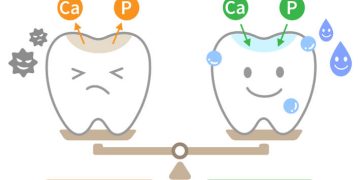
Hydroxyapatite is the natural mineral that makes up 97% of enamel. Nano-hydroxyapatite is engineered to be:
- Small enough to penetrate microscopic surface defects
- Biocompatible, meaning it integrates with natural tooth structure
- Chemically similar to natural enamel
How It Works
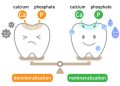
nHAp crystals fill in microscopic pores and tubules in enamel, forming a protective layer that strengthens the tooth surface. This also reduces sensitivity by blocking exposed tubules.
Clinical Findings
Studies consistently show that:
- nHAp reduces enamel demineralization
- It is effective at rebuilding weakened enamel
- It can perform similarly to fluoride in protecting tooth structure
While fluoride remains the gold standard, nano-hydroxyapatite is emerging as a compelling alternative—especially for people sensitive to fluorides or seeking biomimetic options.
Do Nanoparticles Offer Antibacterial Protection?
Several nano-formulations claim to kill harmful bacteria. The most widely studied include:
1. Silver Nanoparticles (AgNPs)
Silver has long been known for antimicrobial properties. At the nanoscale, silver becomes even more potent:
- It disrupts bacterial cell membranes
- It interferes with bacterial DNA replication
- It creates an environment hostile to plaque formation
However, some researchers express caution due to:
- Potential toxicity at high concentrations
- Environmental impact concerns
- Need for long-term safety studies
2. Zinc Oxide Nanoparticles
nZnO particles also show antibacterial activity:
- They suppress odor-causing bacteria
- They inhibit plaque growth
- They reduce gum inflammation
These effects are promising, but more research is still needed to determine long-term safety and optimal concentrations.
Scientific Studies: What Does the Evidence Really Say?
Nanotechnology in toothpaste is not just hype—there is substantial research behind it. However, the degree of effectiveness varies depending on the nanoparticle used.
Strongest Evidence Supports:
- Remineralization using nano-hydroxyapatite
- Sensitivity reduction
- Enamel strengthening
Promising but Needs More Study:
- Nano-silver antibacterial benefits
- Long-term plaque and bacterial control
- Enhanced whitening effects
Still Uncertain:
- Potential bioaccumulation of certain nanoparticles
- Toxicity in chronic exposure
- Real-world effectiveness vs controlled-lab results
Overall, science gives nanotechnology a cautiously optimistic endorsement—especially for enamel repair.
Benefits of Nano-Toothpaste
1. Enamel Repair and Strengthening
Nanoparticles penetrate deeper than traditional toothpaste particles, helping to:
- Rebuild enamel
- Reverse early-stage decay
- Protect against acid wear
2. Sensitivity Relief
Nano-hydroxyapatite can seal exposed dentin tubules, relieving sensitivity from:
- Cold food
- Acidic beverages
- Whitening treatments
3. Antibacterial Enhancement
Silver or zinc nanoparticles may reduce harmful bacteria responsible for plaque, gingivitis, and bad breath.
4. Biocompatibility
Nano-hydroxyapatite is highly biocompatible, making it ideal for:
- Kids
- Pregnant users
- People avoiding fluoride

Potential Risks and Controversies
Despite promising benefits, nanotechnology is not without concerns.
1. Unclear Long-Term Safety
Some nanoparticles may:
- Accumulate in tissues
- Interact unpredictably with cells
- Enter the bloodstream via gums
Although most dental nanomaterials appear safe, experts call for more rigorous long-term studies.
2. Environmental Impact
Nano-silver, in particular, raises ecological questions—its antibacterial activity could disrupt microbial ecosystems after entering wastewater systems.
3. Overpromising Marketing
Many brands exaggerate claims without presenting strong clinical data, making it important for consumers to choose scientifically validated products.
How to Choose a Nano-Toothpaste Wisely
When evaluating whether a nano-toothpaste is right for you, consider the following:
1. Look for Proven Nanoparticles
The most evidence-supported choices include:
- Nano-hydroxyapatite
- Nano-calcium phosphate
2. Check for Certifications
Reputable brands often list:
- Clinical trial results
- Peer-reviewed research
- Safety test documentation
3. Avoid Excessive Claims
Statements like “instantly rebuilds all enamel” or “kills all bacteria” are red flags.
4. Consider Your Needs
Choose nano-toothpaste if you want:
- Sensitivity relief
- Enamel repair
- Fluoride alternatives
Is Nanotechnology the Future of Toothpaste?
Many experts believe yes—especially for remineralization and sensitivity management. Nano-hydroxyapatite is one of the most innovative and scientifically supported oral-care materials today. The future may bring:
- Nano-gel coatings for long-term enamel protection
- Smart nanoparticles that target harmful bacteria
- Bioactive nano-treatments that repair early decay without drilling
Nanotechnology is still evolving, but its potential in dentistry is substantial.
Conclusion: Myth or Breakthrough?
Nanotechnology in toothpaste is more breakthrough than myth, particularly when it comes to:
- Rebuilding enamel
- Reducing sensitivity
- Supporting oral hygiene through enhanced antibacterial activity
However, it’s not a magic solution. Some nanoparticles require more long-term research, and consumers should choose products backed by strong scientific evidence.
If you’re looking for advanced enamel protection or a fluoride alternative, nano-toothpaste—especially nano-hydroxyapatite formulations—may be one of the most effective options available today.








Discussion about this post