














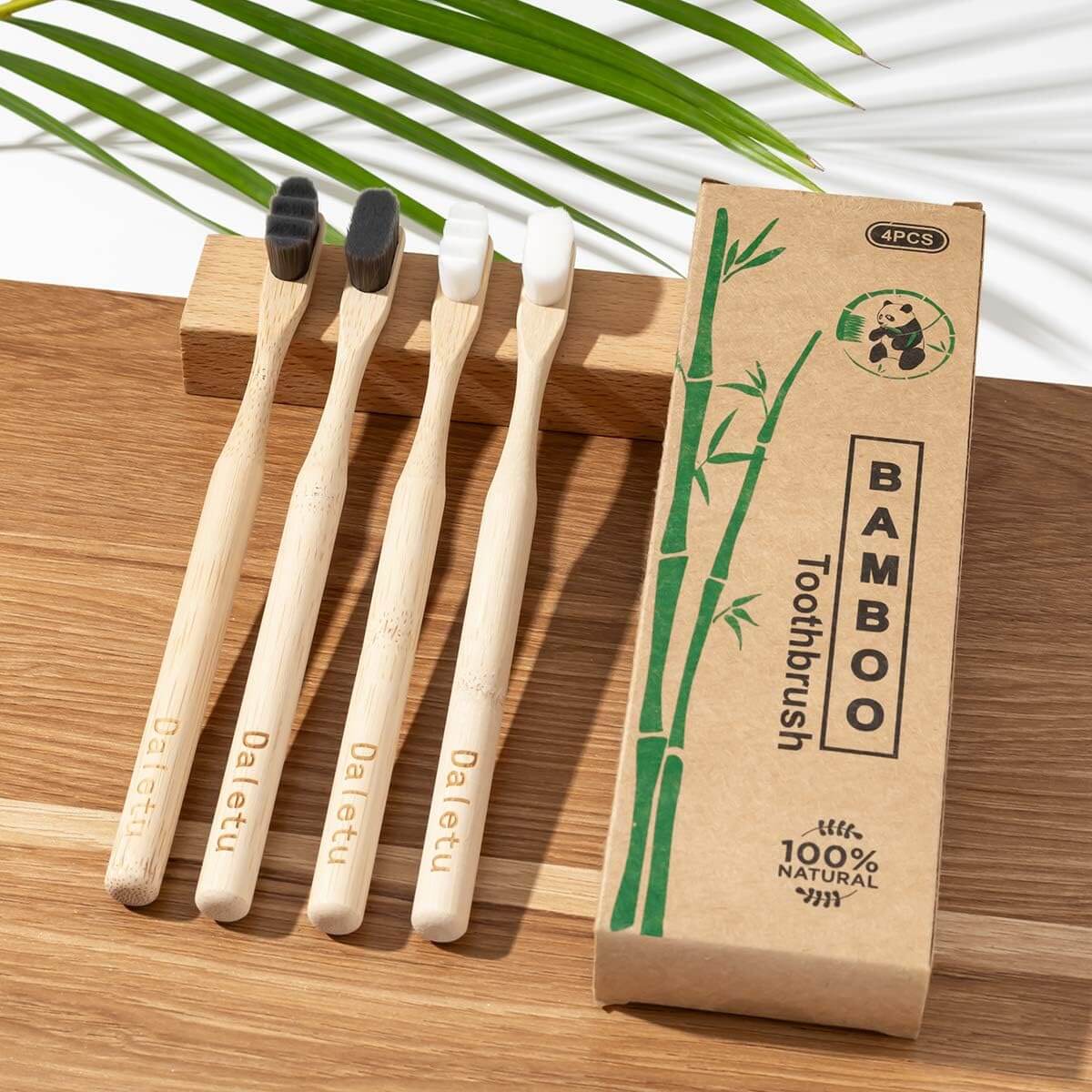
Choosing a toothbrush sounds simple—until you stand in front of a store shelf filled with dozens of options: manual, electric, soft, medium, small head, large head, oscillating, sonic, charcoal-infused, angled bristles, and more. With so many designs promising healthier gums, whiter teeth, or superior plaque removal, it’s natural to feel overwhelmed.
The truth is that the “right” toothbrush isn’t one-size-fits-all. It depends on your oral health needs, brushing habits, sensitivity level, and even your hand dexterity. Whether you’re trying to prevent gum recession, improve plaque control, or simply follow dentist-approved guidelines, understanding how toothbrushes differ is the first step toward better brushing—and a healthier smile.
This complete guide breaks down the benefits of manual vs. electric toothbrushes, bristle hardness, brush head designs, ADA recommendations, and when to replace your toothbrush to ensure safe, effective oral care every day.
Manual vs. Electric Toothbrushes: Which Is Better for You?
Both toothbrush types can clean teeth effectively—but each offers unique strengths.
Manual Toothbrush Benefits
Manual brushes have been around for decades and remain widely used for good reasons:
1. Affordable and Accessible
They cost significantly less than electric toothbrushes, making them accessible for nearly everyone.
2. Easy to Transport
Light, portable, and battery-free, they’re perfect for travel or quick brushing.
3. Full Control Over Pressure
Some people prefer manual brushes because they can easily adjust pressure, reducing the risk of brushing too hard.
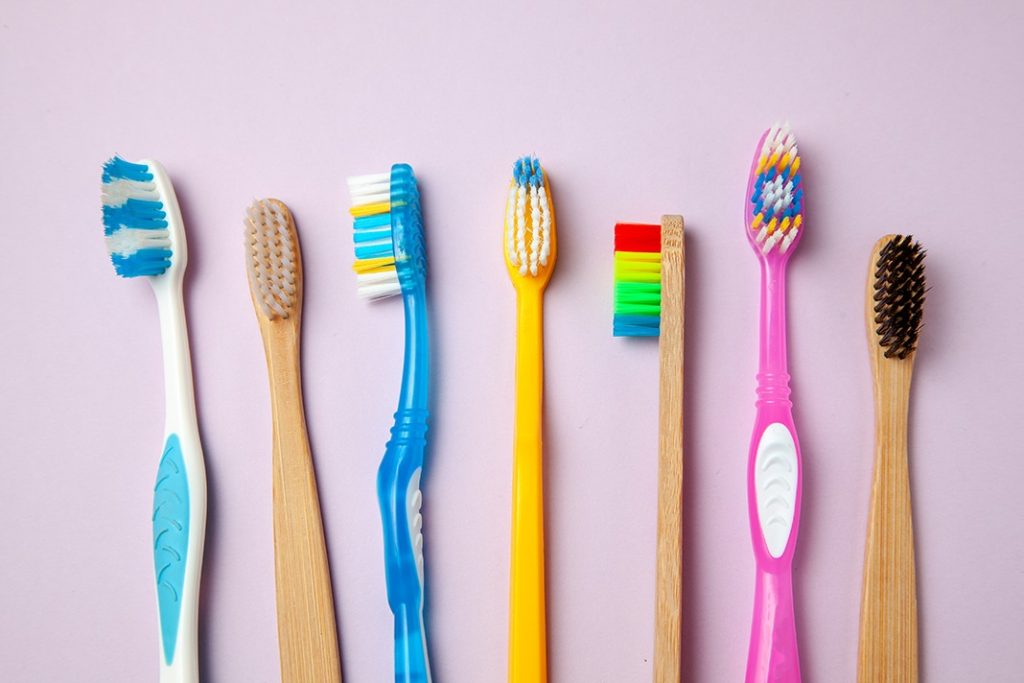
4. Wide Variety of Shapes and Bristles
Manual brushes come in many styles, allowing personalization based on needs like gum sensitivity or orthodontic appliances.
Electric Toothbrush Benefits
Electric toothbrushes offer advanced technology to improve brushing efficiency, especially for people who struggle with technique.
1. Superior Plaque Removal
Studies consistently show that oscillating or sonic electric brushes remove more plaque than manual brushing, especially in the gumline and hard-to-reach areas.
2. Built-In Timers
Most electric brushes include a two-minute timer that ensures you brush long enough.
3. Pressure Sensors
They help prevent brushing too hard, protecting gums and enamel.
4. Ideal for Limited Mobility
People with arthritis, carpal tunnel syndrome, disabilities, or orthodontic braces benefit from electric brushes that require less physical effort.
5. Consistent Brushing Technique
Electric models maintain the same motion and speed throughout the session, reducing user error.
Which one is “better”?
Electric is generally more effective, especially for gum health and plaque control.
But manual brushes work perfectly well when used correctly, following proper technique and brushing twice a day.
How Does Bristle Hardness Affect Gum Safety?
Choosing the right bristle type is one of the most important decisions for oral health.
Soft Bristles: The Dentist-Approved Standard
Soft bristles are gentle enough to clean teeth effectively without damaging gums.
Benefits:
- Reduce risk of gum recession
- Prevent enamel abrasion
- Flex easily to reach between teeth
- Suitable for children, adults, and seniors
Soft bristles are recommended for nearly everyone—including people with gum disease or sensitivity.
Medium Bristles: Limited Use
Medium bristles remove plaque well but can be abrasive.
Concerns:
- Higher risk of enamel wear
- Increased gum damage
- Not recommended for daily use
Dentists rarely suggest medium bristles unless someone has exceptional enamel strength and no gum concerns.
Hard Bristles: Almost Never Recommended
Hard bristles are too abrasive for most mouths.
Risks:
- Gum recession
- Enamel thinning
- Tooth sensitivity
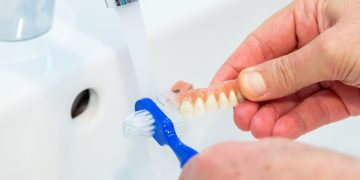
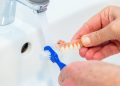
They are typically used only for cleaning dentures—not natural teeth.
Bottom line:
Always choose soft bristles for safe, effective daily brushing.
Why Toothbrush Size and Head Design Matter
Toothbrushes vary in size, shape, and bristle arrangement—all of which influence comfort and effectiveness.
Brush Head Size
Small Brush Heads
- Reach tight or narrow areas easily
- Ideal for children, small mouths, or people who gag easily
- Clean molars more effectively due to better maneuverability
Standard/Larger Heads
- Cover more surface area, reducing brushing time
- Suitable for adults with average-to-large mouth size
- Less effective in tight corners
Most dentists recommend smaller heads because they clean more thoroughly.
Handle Design
- Non-slip grips help ensure better control
- Flexible necks absorb excessive pressure
- Thicker handles help people with limited dexterity
Bristle Pattern and Arrangement
Different patterns serve different purposes:
1. Multi-level bristles
Reach deeper between teeth.
2. Crisscross bristles
Improve plaque removal on uneven surfaces.
3. Polishing cups
Help remove stains from coffee, tea, and wine.
4. Angled bristles
Clean along the gumline more effectively.
Your choice should depend on your specific concerns: plaque buildup, staining, gum sensitivity, or orthodontic appliances.
What Do ADA Recommendations Say About Toothbrushes?
The American Dental Association (ADA) provides clear guidelines to ensure toothbrushes meet safety and effectiveness standards.
Look for the ADA Seal of Acceptance
Products with the ADA Seal meet strict criteria for:
- Bristle safety
- Plaque removal efficiency
- Durability and non-toxicity
- Brush head quality
Choosing a toothbrush with this seal ensures the brush has been scientifically evaluated—not just marketed with claims.
ADA Guidelines for Proper Brushing
- Brush twice daily
- Use fluoride toothpaste
- Brush for two minutes each time
- Replace the brush every 3–4 months
- Use soft bristles
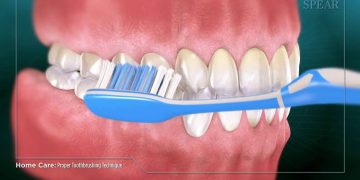
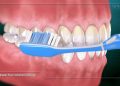
- Brush at a 45-degree angle to the gumline
These guidelines apply whether you choose a manual or electric toothbrush.
How Often Should You Replace Your Toothbrush?
Toothbrushes wear out—and worn bristles can’t clean effectively.
Replace Every 3–4 Months
The ADA recommends replacing your brush or electric brush head every three to four months, or sooner if bristles become frayed.
Replace Sooner If:
- You have been sick
- Bristles fan outward
- The brush becomes discolored
- You feel it cleans less effectively
Frayed bristles do not remove plaque well and may even injure gums.
Electric Toothbrush Head Lifespan
Most electric heads last three months, but heavy pressure or twice-daily usage may wear them faster.
How to Choose the Best Toothbrush for Your Needs
Here are recommendations based on common oral health scenarios:
For Sensitive Gums
- Electric toothbrush with pressure sensor
- Extra-soft or soft bristles
- Small head with flexible neck
For Braces or Orthodontic Appliances
- Orthodontic V-cut manual brush
- Electric brush with orthodontic head
- Interdental brushes for brackets
For Heavy Plaque Builders
- Oscillating electric toothbrush
- Crisscross bristled head
- Daily flossing or water flosser
For Limited Mobility or Dexterity
- Electric brush with wide handle
- Built-in timer and pressure control
For Kids
- Small head
- Soft bristles
- Fun designs to encourage brushing
For Stain Removal
- Soft bristles with polishing cups
- Sonic electric toothbrush
- Whitening toothpaste (non-abrasive)
Conclusion: What’s the Best Toothbrush for You?
Choosing the right toothbrush is a small decision that has a big impact on your oral health. While both manual and electric toothbrushes can work well, electric models offer superior efficiency, especially for plaque removal and gum health. Soft bristles are almost always recommended, and smaller brush heads tend to clean more thoroughly.
Following ADA guidelines—particularly brushing for two minutes and replacing your brush every 3–4 months—will help ensure optimal results regardless of the toothbrush type.
By selecting a toothbrush tailored to your mouth and habits, you can protect your enamel, maintain healthy gums, and keep your smile bright for years to come.







Discussion about this post