




















We all know the basic drill: brush twice a day, floss regularly. But if you were to peek into the bathrooms of a dozen dental professionals, you’d find their routines extend far beyond this simplistic advice. The difference between a mediocre routine that just goes through the motions and a truly effective, dentist-approved regimen lies in the details—the timing, the technique, the tools, and the consistency. A proper routine isn’t just about preventing cavities; it’s about disrupting the disease-causing biofilm (plaque) effectively, protecting your gums, and investing in your long-term oral and systemic health.
So, what does a truly comprehensive, evidence-based daily routine look like? This step-by-step guide, built on foundational dental principles, will dissect the purpose of your morning versus evening care, outline the correct brushing sequence for maximum efficacy, demystify the world of flossing and interdental cleaners, debunk common mouthwash myths, and introduce the essential weekly and monthly habits that separate a good routine from a great one.
1. The Strategic Split: Morning vs. Evening Dental Care
Your mouth has different needs at different times of the day. Understanding this is the first step to optimizing your routine.
The Morning Mission: Freshening and Debris Removal
The primary goal of your morning routine is to reset your oral environment after a night of reduced salivary flow and bacterial activity.
- Focus: Eliminate morning breath by removing the bacteria and volatile sulfur compounds that have built up on the tongue and teeth overnight. Clear away any residual food particles.
- Key Action: Tongue cleaning is non-negotiable in the morning. A significant portion of odor-causing bacteria resides on the tongue.
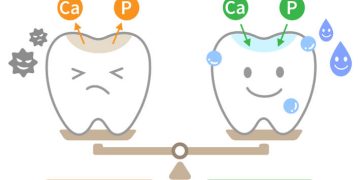
- Fluoride Boost: Applying a fluoride toothpaste in the morning helps reinforce enamel against the acid attacks it will encounter throughout the day.
The Nighttime Non-Negotiable: The Deep Clean
Your evening routine is, without question, the most critical session of the day. During sleep, saliva flow—your mouth’s natural cleaning and neutralizing system—slows to a trickle. This leaves your teeth and gums highly vulnerable to bacterial acids.
- Focus: Meticulous plaque removal. This is a “scorched-earth” policy to create the cleanest possible environment for the vulnerable 8-hour sleep period.
- Key Action: Flossing is absolutely essential at night. Leaving plaque and food between your teeth overnight is a recipe for interproximal decay and gum inflammation.
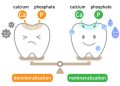
- Fluoride Lock: The “spit, don’t rinse” rule is most important at night. Leaving a concentrated layer of fluoride on the teeth without eating or drinking for 8+ hours provides an unparalleled remineralization session.
2. The Perfect Sequence: Correct Brushing Technique and Order
The order of operations matters. Doing things in the right sequence ensures you don’t undo your own good work.
The Golden Rule: Floss First, Brush Second.
Many people brush first, then floss. This is backwards. Flossing dislodges food and plaque from between teeth and from under the gumline. Brushing second then sweeps away this newly freed debris and allows the fluoride from your toothpaste to coat all tooth surfaces, including the newly cleaned interproximal spaces.
The Two-Minute, Four-Quadrant Brush:
- Tool: Use a soft-bristled manual or electric toothbrush. Hard bristles damage enamel and gums.
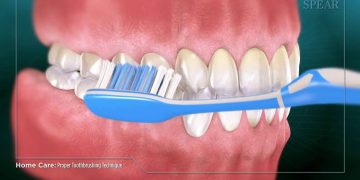
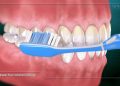
- Technique: Hold the brush at a 45-degree angle to your gums. Use gentle, circular or jiggling motions, focusing on 1-2 teeth at a time. Avoid aggressive back-and-forth scrubbing.
- Systematic Approach: Mentally divide your mouth into four quadrants. Spend 30 seconds on each: the outer surfaces, the inner surfaces, and the chewing surfaces. An electric brush with a quadrant pacer is invaluable here.
- The “Spit, Don’t Rinse” Rule: After brushing, spit out the excess toothpaste. Do not rinse your mouth with water. Rushing to rinse washes away the concentrated fluoride, drastically reducing its protective and remineralizing benefits.
3. The Interdental Imperative: Flossing and Beyond
Brushing only cleans about 60% of your tooth surfaces. The remaining 40% are between your teeth, where a brush cannot reach.
The Right Way to Floss:
- Use about 18 inches of floss, winding most around your middle fingers.
- Guide the floss with your index fingers and thumbs.
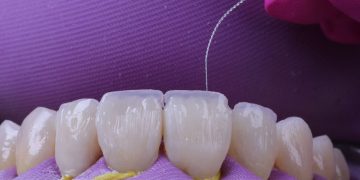
- Gently curve the floss into a “C” shape against one tooth and slide it up and down, going slightly beneath the gumline. Then, curve it around the adjacent tooth and repeat.
- Use a clean section of floss for each tooth.
Interdental Cleaners are for Everyone:
If you find floss difficult, there are excellent alternatives that are equally effective, if not more so for some people.
- Water Flosser (Irrigator): Excellent for those with braces, bridges, implants, or arthritis. It uses a pressurized stream of water to flush out debris and disrupt plaque.
- Interdental Brushes: These tiny brushes are perfect for cleaning gaps between teeth, around implants, and under bridgework. If you have spaces where the brush slides through easily, this is your best tool.
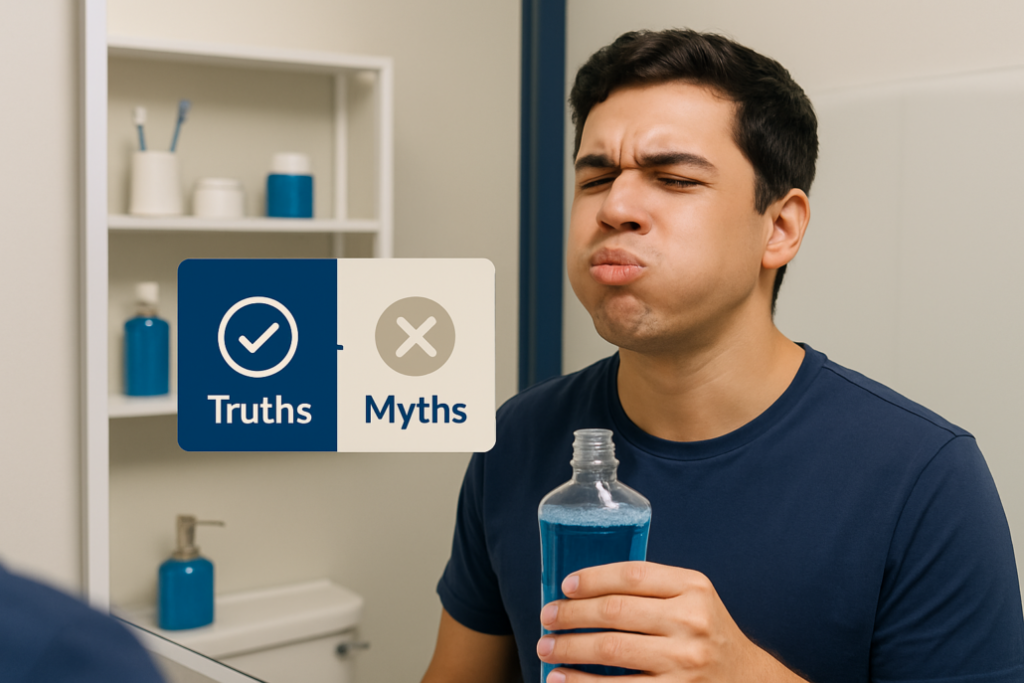
4. The Rinsing Reality: Debunking Mouthwash Myths
Mouthwash is an adjunct, not a replacement for mechanical cleaning.
Myth 1: Mouthwash can replace brushing and flossing.
Reality: No mouthwash can physically remove established plaque biofilm. It is a chemical aid, not a mechanical one.
Myth 2: All mouthwashes are the same.
Reality: They serve different purposes.
- Cosmetic Mouthwashes: Only temporarily mask bad breath.
- Therapeutic Mouthwashes: These are beneficial when chosen correctly.
- Fluoride Mouthwash: Excellent for cavity prevention. Use it at a separate time from brushing, like after lunch, for an extra fluoride boost.
- Antiseptic Mouthwashes (e.g., Chlorhexidine): Powerful, prescription-only rinses for short-term use after surgery or for severe gum infections. They can stain teeth with prolonged use.
- Alcohol-Free, Essential Oil Mouthwashes (e.g., Listerine Cool Mint): Effective at reducing gingivitis and bacteria, but can be drying for some.
The Best Practice: If you use a therapeutic mouthwash, use it at a separate time from brushing, such as after a meal, to extend the active ingredients’ presence throughout the day.
5. The Long-Game Layers: Weekly and Monthly Habits
A truly robust routine includes habits that go beyond the daily grind.
Weekly:
- Check Your Tools: Inspect your toothbrush for frayed bristles. A worn-out brush is ineffective. Replace it every 3-4 months, or sooner if the bristles splay.
- Clean Your Tools: Rinse your toothbrush thoroughly and store it upright to air-dry. Periodically, you can soak it in an antibacterial mouthwash to reduce microbial load. If you use a water flosser, follow the manufacturer’s instructions for cleaning the reservoir and tips to prevent mold and bacteria buildup.
Monthly:
- The Mirror Exam: Once a month, in good light, take two minutes to look inside your mouth. Check for anything unusual: red or white patches on the gums or cheeks, sores that don’t heal within two weeks, lumps, or changes in the texture of your tongue. Early detection of oral abnormalities is critical.
- Self-Check for Tartar: Feel the backs of your lower front teeth with your tongue. If you feel a rough, hard buildup, that’s tartar (calculus), which can only be removed by a dental professional. This is a signal that your daily plaque removal needs to be more effective or that it’s time for your professional cleaning.
Conclusion: The Architecture of a Lifetime of Oral Health
A dentist-approved oral hygiene routine is a structured, intentional practice, not a haphazard chore. It’s a system that respects the biology of your mouth—protecting it when it’s most vulnerable at night and fortifying it for the day ahead. By understanding the “why” behind the order of operations, embracing the essential nature of interdental cleaning, using mouthwash intelligently, and incorporating proactive weekly and monthly checks, you build more than just a routine.
You build the foundation for a lifetime of healthy teeth and gums, reducing your risk of not only dental disease but also the systemic inflammation linked to it. This is the true architecture of preventive care, where daily discipline compounds into a long-term investment that pays dividends every time you smile.







Discussion about this post