






















You’ve heard it at every dental check-up: “You need to floss more.” It’s one of the most universally recommended health practices, yet also one of the most frequently skipped. For many, flossing feels confusing, awkward, or even painful. The result? Nearly 40% of tooth surfaces remain untouched by a toothbrush, becoming a hidden breeding ground for decay and disease. But what if you could transform this chore into a quick, effective, and painless habit? Effective flossing isn’t about brute force or complex maneuvers; it’s about understanding the “why” and mastering the “how.”
This beginner’s guide is designed to demystify the entire process. We will explore the critical reasons why flossing is non-negotiable for your health, identify and correct the common mistakes that cause frustration, compare the different types of floss to find your perfect match, clarify the ongoing debate on the best time to floss, and introduce effective alternatives for those who find traditional string floss impossible. By the end, you’ll have the knowledge and confidence to make flossing a seamless part of your daily routine.
1. The Unseen Battle: Why Flossing Matters More Than You Think
Brushing your teeth is like cleaning the front of your kitchen counters—it handles the obvious, visible surfaces. Flossing, however, is like cleaning the cracks between the countertop and the stove, where grime and gunk accumulate unseen. This “grime” in your mouth is a sticky, bacterial biofilm called plaque.
If left undisturbed, plaque does two destructive things:
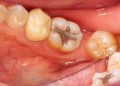
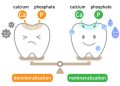
- It Causes Cavities Between Teeth: The bacteria in plaque feed on sugars from your diet and produce acids. These acids demineralize enamel, leading to cavities. These “interproximal” cavities are often the most destructive because they can grow large before becoming visible, sometimes requiring a root canal or crown.
- It Initiates Gum Disease: The plaque near your gumline triggers an inflammatory response from your body. Your gums become red, swollen, and bleed easily—a condition known as gingivitis. This is your body’s signal that something is wrong. If ignored, this inflammation can progress to periodontitis, a severe infection that destroys the bone supporting your teeth and is the leading cause of tooth loss in adults.
Furthermore, the chronic inflammation from gum disease isn’t confined to your mouth. It’s linked to serious systemic health issues, including an increased risk of heart disease, stroke, diabetes complications, and respiratory problems. Flossing, therefore, is not just about saving your teeth; it’s a proactive measure for your overall health.
2. The Usual Suspects: Correcting Common Flossing Mistakes
Many people who try to floss give up because it’s uncomfortable or seems ineffective. This is almost always due to a simple, correctable mistake in technique.
- Mistake #1: Snapping and Sawing. The most common and damaging error is forcing the floss between tight teeth by snapping it down. This traumatizes the delicate triangle of gum tissue (the papilla) between teeth, causing pain, bleeding, and long-term recession.
- The Correction: Gently guide the floss between teeth using a back-and-forth rocking motion, not a brute-force push. Imagine easing a thread through the eye of a needle.
- Mistake #2: Skipping the Sides. People often pop the floss in and out, only cleaning the space between teeth. This misses the crucial part—the tooth surfaces themselves.
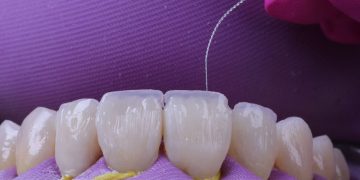
- The Correction: Once the floss is between teeth, curve it into a C-shape against one tooth. Gently slide the floss up and down, rubbing against the side of the tooth and dipping slightly under the gumline (you should feel resistance, not pain). Then, curve the floss in the opposite C-shape to clean the adjacent tooth.
- Mistake #3: Reusing the Same Section. Using a dirty segment of floss to clean multiple teeth simply redistributes bacteria and food debris around your mouth.
- The Correction: Use a fresh, clean section of floss for every tooth. Unwind from one finger and wind onto the other as you move through your mouth.
- Mistake #4: Quitting at the First Sign of Blood. Bleeding gums are a sign of inflammation caused by not flossing, not a reason to stop. The plaque buildup is causing the irritation.
- The Correction: Be gentle but persistent. After 5-7 days of consistent, proper flossing, the inflammation will subside, and the bleeding should stop as your gum health improves.
3. Finding Your Match: A Comparison of Floss Types
Not all floss is created equal. The “best” floss is the one you will use consistently. Here’s a breakdown of the most common types:
- Nylon (Multifilament) Floss:
- Pros: This is the classic, often waxed, floss. It comes in various flavors and is generally inexpensive. The waxed version can glide more easily between tight contacts.
- Cons: It can be prone to shredding or fraying, especially if you have rough fillings or tight contacts.
- PTFE (Monofilament) Floss:
- Pros: Made from a single, Teflon-like fiber, this floss is virtually shred-proof and glides effortlessly between even the tightest teeth. It’s strong and smooth.
- Cons: It is typically more expensive than nylon floss.
- Dental Tape:
- Pros: Wider and flatter than standard floss, dental tape is excellent for people with wider gaps between their teeth.
- Cons: It can be difficult to use for those with very crowded teeth.
- Super Floss:
- Pros: This is a three-in-one product: a stiffened end for threading under bridges and orthodontic wires, a spongy, yarn-like section for cleaning wide gaps or around implants, and regular floss for standard teeth.
- Cons: It’s a specialized product and can be wasteful if you don’t need all its components.
4. The Timing Debate: When is the Best Time to Floss?
The long-standing debate is whether to floss before or after brushing. The scientific consensus is leaning towards a clear winner.
- The Best Practice: Floss Before You Brush.
Why? Flossing first dislodges food and plaque from between teeth and from under the gumline. When you brush immediately afterward, your toothbrush and fluoride toothpaste can then sweep away this freed debris and coat all tooth surfaces, including the newly cleaned interproximal spaces. This maximizes the distribution and effectiveness of fluoride. - The Most Important Time: At Night.
While flossing once a day is the minimum recommendation, doing it at night is critical. During sleep, saliva flow decreases, reducing your mouth’s natural cleaning and neutralizing ability. Leaving plaque between your teeth overnight gives bacteria hours of uninterrupted time to cause damage.
Ultimately, the best time to floss is the time that you will do it consistently. If you can only manage it in the morning, that is still far better than not flossing at all.
5. Beyond the String: Effective Alternatives to Traditional Floss
If dexterity issues, braces, or sheer frustration make string floss untenable, there are excellent, dentist-approved alternatives.
- Water Flosser (Oral Irrigator):
- How it Works: It uses a pressurized, pulsating stream of water to blast away food debris and disrupt plaque biofilm between teeth and below the gumline.
- Best For: People with braces, bridges, implants, and arthritis. It is highly effective and feels great, which can improve compliance.
- Consideration: It is more expensive than string floss and requires counter space and electricity/charging.
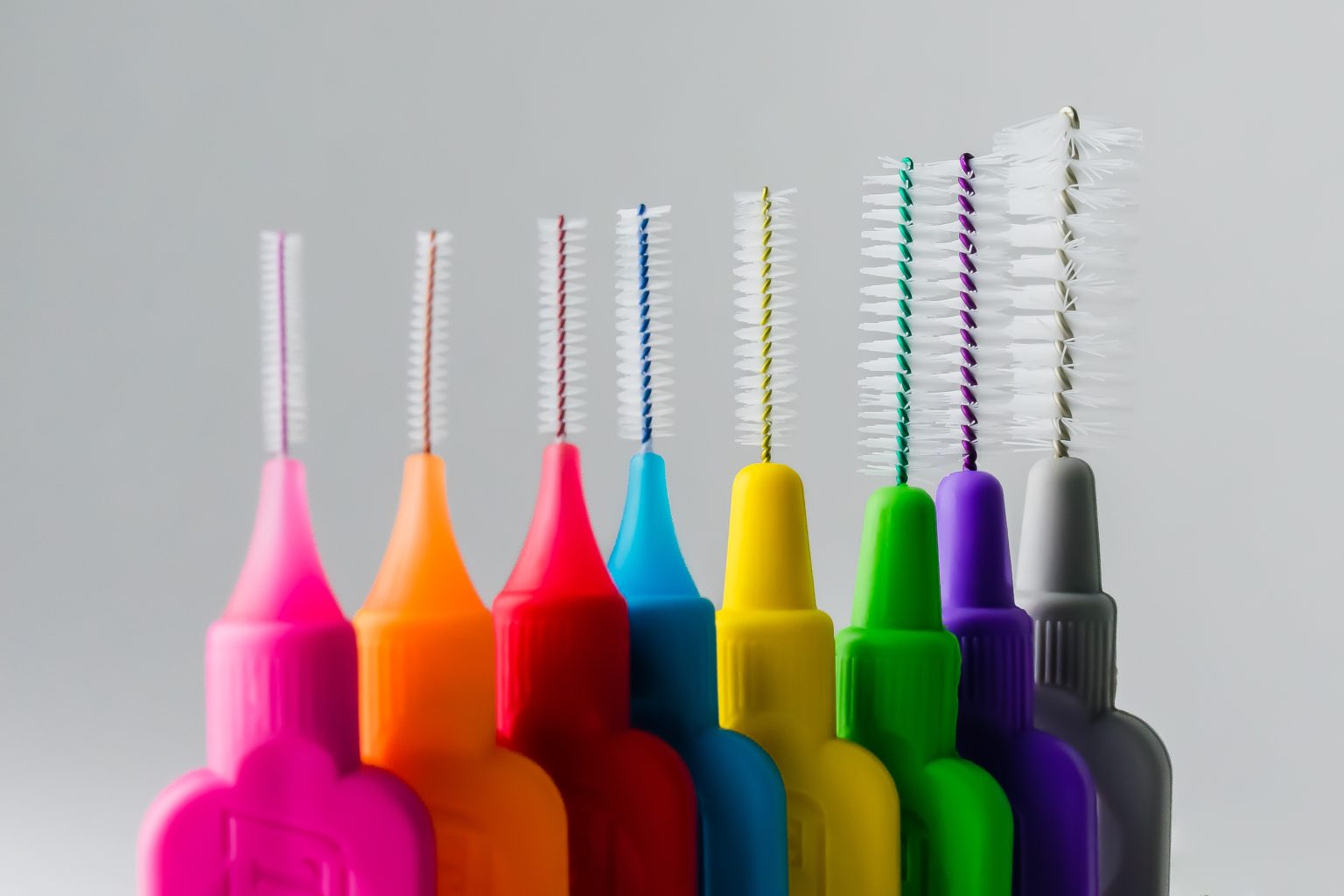
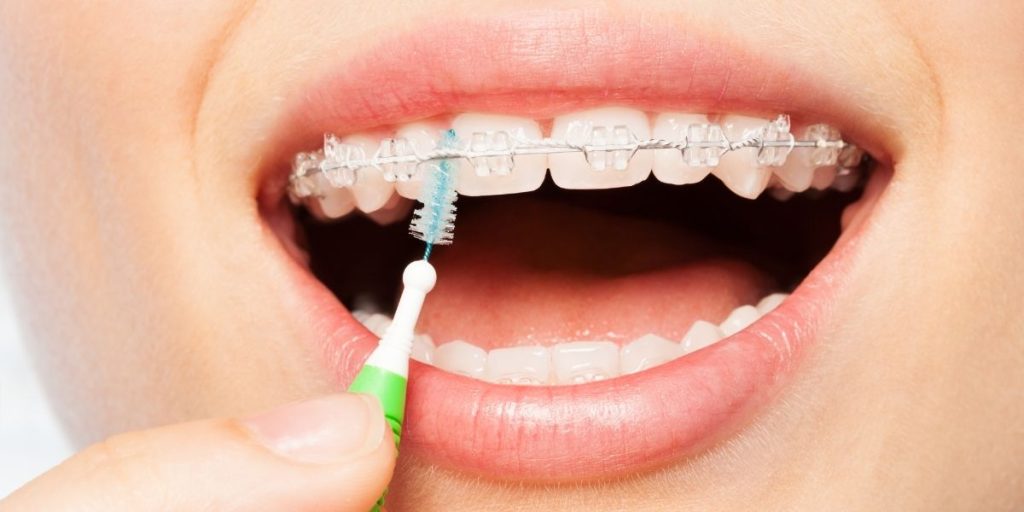
- Interdental Brushes (Picks):
- How they Work: These are tiny, cone-shaped brushes that you gently push and pull between your teeth.
- Best For: People with noticeable gaps between their teeth, around dental implants, or under fixed bridges. They are often easier to handle than string floss.
- Consideration: You need to use the correct size—it should fit snugly but pass through without force.
- Floss Picks:
- How they Work: A small piece of floss is held taut on a plastic handle.
- Pros: They are easy to use with one hand and can be helpful for reaching back teeth or for caregivers assisting others.
- Cons: They can be less effective because it’s difficult to properly curve the floss around each tooth, and they use a single segment of floss for your entire mouth, redistracting bacteria.
Conclusion: Your Path to Flossing Mastery
Effective flossing is a skill, and like any skill, it requires a little knowledge and practice. By understanding its vital role in preventing hidden decay and systemic inflammation, correcting your technique to be gentle and thorough, and finding the tool that works for your unique dental landscape, you can move from dreading this task to mastering it.
Remember, the goal is not perfection but consistent progress. Whether you choose traditional string floss, a high-tech water flosser, or an interdental brush, the act of cleaning between your teeth every day is what counts. Make the commitment tonight. Your teeth, your gums, and your entire body will thank you for years to come.








Discussion about this post