



















Saliva is one of the most overlooked components of oral health, yet it plays a vital role in protecting teeth, supporting digestion, maintaining comfort, and preventing disease. Many people only notice saliva when something goes wrong—such as dryness, irritation, difficulty swallowing, or increased cavities. But the science behind saliva reveals that this natural fluid is essential to almost every aspect of oral function.
This comprehensive guide explores what saliva does biologically, how to recognize signs of low saliva, the major causes behind reduced flow, how to naturally stimulate saliva production, and when it’s time to seek professional care.
1. What Are the Biological Functions of Saliva?
Saliva is far more than water; it is a complex biological fluid composed of enzymes, proteins, electrolytes, and antimicrobial substances designed to protect the mouth.
1.1 Lubrication and Comfort
- Saliva keeps the tongue, gums, and oral tissues moist.
- It enables speech, chewing, and swallowing by reducing friction.
- It prevents cracking, irritation, and ulcers inside the mouth.
1.2 pH Regulation
- Saliva neutralizes acids produced by oral bacteria.
- It maintains a stable oral pH that protects enamel from erosion.
- Acid neutralization also reduces the risk of cavities.
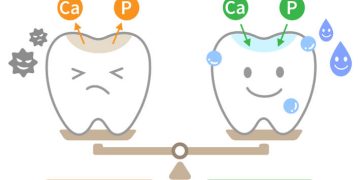
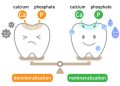
1.3 Enamel Remineralization
- Saliva contains calcium, phosphate, and sometimes fluoride (if present in water or toothpaste).
- These minerals help repair early stages of tooth decay before cavities form.
- Without sufficient saliva, enamel cannot naturally rebuild.
1.4 Antibacterial Defense
Saliva contains protective proteins including:
- Lysozyme – breaks down bacterial cell walls
- Lactoferrin – inhibits bacterial growth
- IgA antibodies – prevent microbes from adhering to surfaces
These help reduce infections, gum disease, and plaque buildup.
1.5 Food Breakdown and Digestion
- The enzyme amylase begins carbohydrate digestion before food reaches the stomach.
- Saliva helps form the food bolus for smooth swallowing.
1.6 Taste Enhancement
- Moisture is required for taste particles to activate taste receptors.
- Low saliva reduces taste sensitivity and enjoyment of food.
2. What Are the Signs of Low Saliva or Dry Mouth?
Dry mouth—also called xerostomia—can be mild, occasional, or severe. Common signs include:
2.1 Physical Symptoms
- Mouth feels dry, sticky, or pasty
- Thick or stringy saliva
- Difficulty swallowing food without water
- Cracked lips or corners of the mouth
- Burning or tingling sensations in the tongue
2.2 Oral Health Consequences
- Increased cavities, especially along the gumline
- Bad breath due to bacterial overgrowth
- More plaque and tartar formation
- Gum inflammation or bleeding
- Higher risk of oral infections, including thrush
2.3 Functional Issues
- Hoarse or dry voice
- Difficulty speaking for long periods
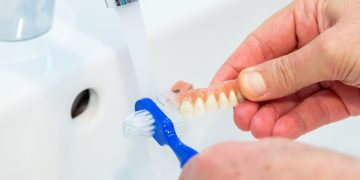
- Trouble wearing dentures
- Decline in taste sensitivity
Detecting low saliva early is crucial for preventing long-term damage.
3. What Causes Reduced Saliva Production?
Saliva can decrease for several reasons, many of which are linked to lifestyle, health conditions, or medications.
3.1 Medications (Most Common Cause)
Over 500+ medications list dry mouth as a side effect. The most common include:
- Antihistamines
- Antidepressants
- Anti-anxiety medications
- Blood pressure medications
- Decongestants
- Muscle relaxants
- Diuretics
These medications reduce saliva flow by affecting the nervous system’s control of salivary glands.
3.2 Medical Conditions
Several illnesses directly or indirectly affect saliva:
- Diabetes – dehydration and high glucose levels reduce saliva
- Sjogren’s syndrome – autoimmune attack on salivary glands
- Parkinson’s disease – impaired swallowing reflex causes dryness
- HIV/AIDS – salivary gland issues are common
- Thyroid disorders – alter fluid balance and metabolism
3.3 Cancer Treatments
Radiation to the head and neck can permanently damage salivary glands.
Chemotherapy may temporarily reduce saliva flow or change saliva consistency.
3.4 Lifestyle Factors
- Chronic dehydration
- High caffeine or alcohol intake
- Smoking or vaping
- Heavy salt consumption
- Mouth breathing during sleep
These reduce moisture or impair gland function over time.
3.5 Aging
While aging itself doesn’t directly cause low saliva, seniors often:
- Take more medications
- Have more health conditions
- Experience reduced gland efficiency
4. How Can You Stimulate Natural Saliva Production?
While chronic or medical causes may require clinical intervention, many cases of mild-to-moderate dry mouth can be improved with natural strategies.
4.1 Hydration as the First Line of Defense
- Drink water consistently throughout the day.
- Use reminders or keep a water bottle nearby.
- Reduce dehydrating beverages like alcohol and coffee.
Hydration alone can make a significant difference.
4.2 Stimulate Saliva with Chewing and Taste
Foods and habits that increase flow:
- Sugar-free gum (preferably with xylitol)
- Sugar-free mints
- Crunchy foods like apples, celery, carrots
- Citrus-flavored sugar-free candies (avoid actual acidic fruits if enamel is weak)
Why this works:
Chewing activates salivary glands, and tart flavors stimulate glands through gustatory reflexes.
4.3 Dietary Adjustments
- Reduce salt intake to avoid dehydration
- Limit spicy or acidic foods that worsen dryness
- Add hydrating foods like cucumber, watermelon, broth, and herbal teas
- Choose moist foods over dry or crumbly ones
4.4 Improve Breathing Habits
- Practice nasal breathing
- Use humidifiers during sleep
- Adjust sleep posture to reduce mouth breathing
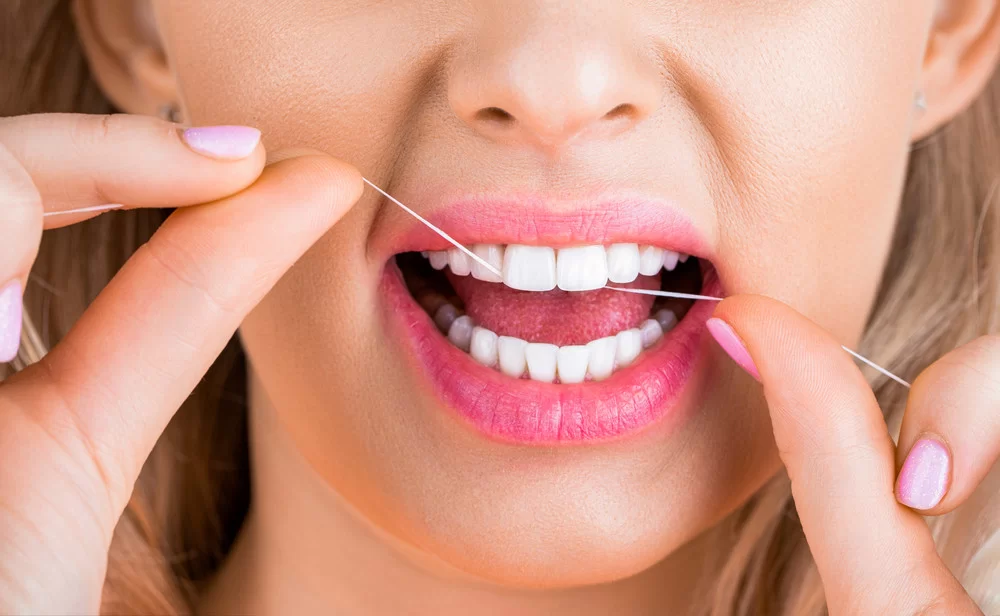
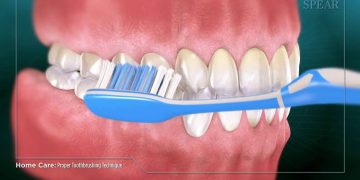
4.5 Maintain Excellent Oral Hygiene
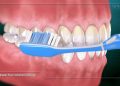
- Brush twice daily with fluoride toothpaste
- Use alcohol-free mouthwash (alcohol dries tissues)
- Use moisturizing gels or sprays for nighttime support
4.6 Natural Supplements
Consult your physician before using:
- Omega-3 fatty acids
- Vitamin B complex
- Ginseng
- Ginger tea (lightly brewed)
Some herbs and nutrients may support glandular function.
5. When Should You Seek Clinical Treatment?
Professional evaluation is necessary if:
- Dry mouth persists for more than one month
- You experience rapid increase in cavities
- You have difficulty swallowing or speaking
- You notice oral infections or thick coating on the tongue
- Symptoms are drug-related and severe
- You suspect Sjogren’s syndrome or systemic illness
Clinical Treatment Options Include:
5.1 Prescription Medications
- Pilocarpine and cevimeline stimulate salivary glands
- Usually used in severe or medically diagnosed cases
5.2 Saliva Substitutes
- Prescription gels
- Artificial saliva sprays
- Lubricating mouth rinses
These mimic natural moisture but do not treat the root cause.
5.3 Fluoride Treatments
For enamel protection:
- High-fluoride toothpaste
- Fluoride varnish applied in the clinic
- Custom trays for at-home fluoride gels
5.4 Dental Interventions
Dentists may recommend:
- More frequent cleanings
- Sealants on vulnerable teeth
- Remineralizing agents like CPP-ACP
Conclusion: Why Does Saliva Matter?
Saliva is a natural, powerful protector of the mouth.
It prevents cavities, fights bacteria, repairs enamel, and supports the basic functions we rely on every day. When saliva decreases, the entire ecosystem of the mouth becomes vulnerable.
Understanding saliva’s role—and recognizing early signs of low saliva—allows people to prevent serious oral health issues and maintain long-term comfort and protection. With the right habits, lifestyle changes, and professional support when needed, you can restore moisture balance and safeguard your oral health.








Discussion about this post