
























For individuals who smoke, the relationship with their oral health is uniquely challenging. While the systemic risks of smoking are well-known, the mouth serves as the primary battlefield, enduring the direct and repeated assault of heat, chemicals, and tar. This constant exposure creates a perfect storm for accelerated dental damage, moving far beyond mere cosmetic stains into the realm of serious, chronic disease. However, resignation is not the only option. Through a highly specialized, vigilant, and consistent care regimen, it is possible to actively combat these effects and minimize the long-term harm to teeth, gums, and overall oral structures.
This approach requires more than just a standard brushing routine; it demands a strategic defense tailored to the specific threats posed by smoking. Understanding the enemy is the first step. This guide will detail the multifaceted ways smoking attacks oral health, provide a proactive plan for stain prevention, outline a gum-focused care protocol to ward off periodontitis, emphasize the life-saving importance of regular oral cancer checks, and culminate in a dedicated daily hygiene routine designed specifically for the needs of a smoker.
1. The Onslaught: How Smoking Systematically Damages Teeth and Gums
Smoking does not cause a single problem but rather initiates a cascade of interrelated issues that compromise every aspect of oral health.
- Reduced Blood Flow and Masked Disease: Nicotine is a potent vasoconstrictor, meaning it tightens blood vessels and drastically reduces blood flow to the gums. This has a doubly damaging effect. First, it starves the gum tissue of oxygen and vital nutrients, impairing its ability to stay healthy and fight infection. Second, it masks the most common warning sign of gum disease: bleeding. A smoker’s gums may not bleed during brushing or flossing, not because they are healthy, but because the blood supply is too restricted. This creates a false sense of security while periodontitis silently progresses underneath.
- Weakened Immune Response: The toxins in cigarette smoke paralyze the immune cells in the gum tissue. This means the body’s first line of defense against the bacteria in plaque is compromised, allowing harmful bacteria to flourish and invade more deeply.
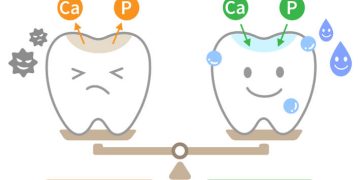
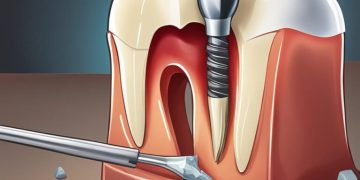
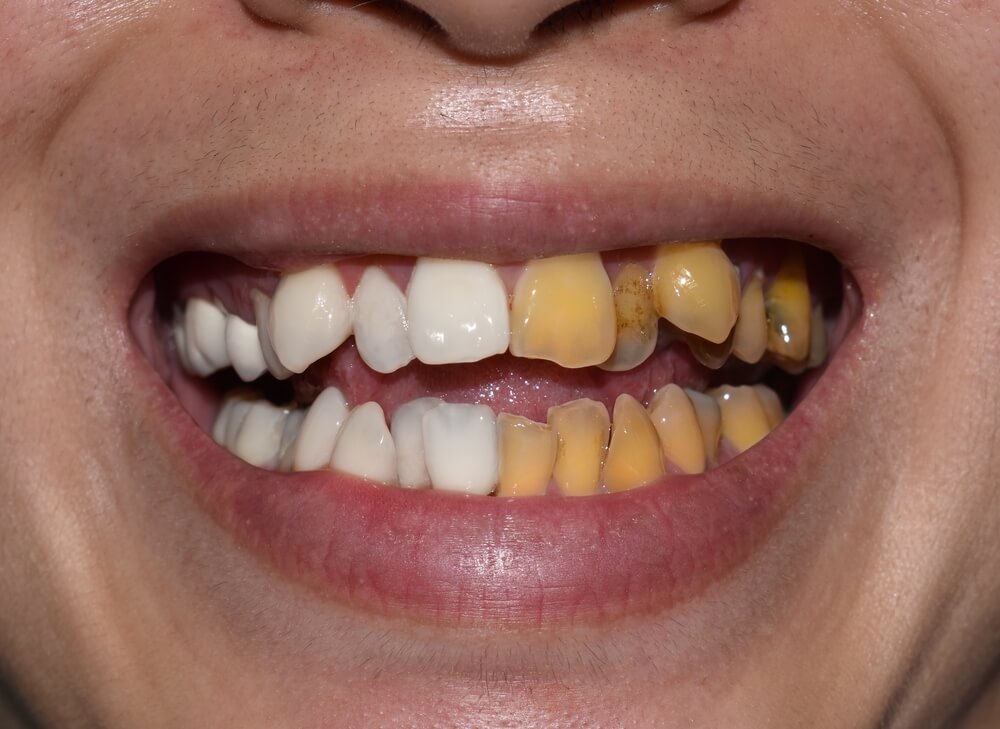
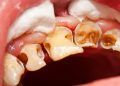
- Aesthetic and Structural Damage: Tobacco tar creates tenacious brown and black stains on tooth enamel that are difficult to remove. Furthermore, the heat and chemicals contribute to dry mouth (xerostomia). Without the cleansing, neutralizing, and remineralizing effects of saliva, the risk of rampant tooth decay, especially at the roots, skyrockets. Smoking is also a leading cause of failed dental implants due to poor bone healing.
2. The Fight Against Discoloration: A Proactive Approach to Stain Prevention
For smokers, stain management is not about vanity; it’s about preventing the buildup of porous, stain-holding plaque and calculus that can lead to deeper issues.
- The “Rinse Immediately” Rule: While it’s not feasible to brush after every cigarette, swishing vigorously with water immediately after smoking can help dislodge some of the tar and chemicals before they have a chance to adhere to the tooth surface.
- Choosing the Right Toothpaste: Use a toothpaste with mild, non-abrasive whitening agents or baking soda. Avoid highly abrasive “smoker’s toothpastes” that can scratch enamel, making teeth more susceptible to staining over time. A toothpaste containing stannous fluoride is ideal, as it provides anti-bacterial benefits for the gums while also helping to protect against stains.
- Professional Cleanings are Non-Negotiable: A dental hygienist has the tools and expertise to remove the hardened calculus (tartar) that is a magnet for stains and bacteria. For smokers, professional cleanings every three to four months, rather than the standard six, are often necessary to stay ahead of the rapid buildup.
3. The Gum Defense: A Protocol to Combat Periodontitis
Given that gum disease is the most significant threat, a smoker’s routine must be relentlessly focused on gingival health.
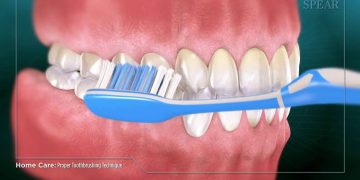
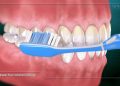
- The Daily Massage: After brushing, use a soft-bristled or ultra-soft toothbrush to gently “massage” your gums in a circular motion along the gumline. This stimulates blood circulation in an area compromised by nicotine, helping to deliver oxygen and immune cells.
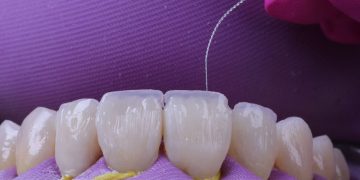
- Non-Negotiable Interdental Cleaning: Flossing is critical for everyone, but for smokers, it’s a direct defense against the hidden interproximal decay and gum infection that won’t show obvious signs like bleeding. Using a water flosser on a low setting can also be highly effective at flushing out debris from gum pockets and stimulating tissue.
- Therapeutic Mouthwash: Use an alcohol-free, therapeutic mouthwash containing ingredients like cetylpyridinium chloride (CPC) or essential oils. Alcohol is drying and should be avoided. These rinses can help reduce the bacterial load below the gumline where brushing can’t reach.
4. The Lifesaving Habit: Mastering the Oral Self-Check for Cancer
Oral cancer is the most severe risk associated with smoking. Early detection is paramount, as it dramatically improves survival rates.
Perform a monthly self-exam in a well-lit room using a mirror:
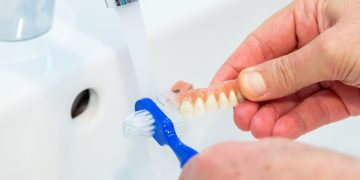
- Look and Feel: Remove any dentures. Look and feel inside your lips and the front of your gums.
- Tilt Head Back: Check the roof of your mouth.
- Pull Your Cheeks Out: Examine the inside of your cheeks, the back of your gums, and the sides of your tongue.
- Stick Out Your Tongue: Examine the top, sides, and underside. Gently pull it forward to look at the back of the mouth.
Look for these warning signs, and see a dentist immediately if any persist for more than two weeks:
- A sore, irritation, lump, or thick patch in the mouth, lip, or throat.
- A white or red patch inside the mouth.
- A feeling of something caught in the throat.
- Difficulty chewing, swallowing, or moving the jaw or tongue.
- Numbness in the tongue or other areas of the mouth.
- Swelling of the jaw that causes dentures to fit poorly or become uncomfortable.
5. The Smoker’s Shield: A Dedicated Daily Hygiene Routine
This routine integrates all the above strategies into a actionable, twice-daily plan.
Morning & Night:
- Brush: Use an ultra-soft toothbrush and a stannous fluoride toothpaste. Brush for two full minutes, paying extra attention to the gumline. Use a gentle, circular massaging technique, not aggressive scrubbing.
- Floss: Clean between every tooth, curving the floss around each tooth and dipping below the gumline.
- Tongue Scrape: Use a tongue scraper to remove the bacterial buildup that contributes to bad breath and plaque.
- Rinse: Use an alcohol-free, therapeutic mouthwash. Swish for the full recommended time, typically 30-60 seconds.
Throughout the Day:
- Rinse with water after smoking.
- Stay hydrated with water to combat dry mouth.
- Consider using xylitol mints or gum to stimulate saliva flow.
Professional Care:
- Schedule dental check-ups and cleanings at least every six months, and follow your dentist’s recommendation for more frequent periodontal maintenance (e.g., every 3-4 months).
- Ensure every check-up includes a comprehensive oral cancer screening by your dentist.
Conclusion: An Active Defense, Not a Passive Surrender
Dental care for a smoker is not a standard practice; it is a committed, proactive defense system. It acknowledges the heightened risks and meets them with intensified vigilance. By understanding the specific mechanisms of damage—from constricted blood flow to immune suppression—you can implement a targeted strategy that prioritizes gum health, manages stains intelligently, and incorporates life-saving self-examinations. This dedicated routine is the most powerful tool a smoker has to preserve their smile, their oral function, and their overall health in the face of a significant challenge. It is the definitive choice to fight back against long-term damage.








Discussion about this post