
















Pregnancy is a transformative journey filled with excitement, anticipation, and significant physiological changes—including those affecting oral health. Many expectant mothers are surprised to learn that pregnancy can influence the gums, enamel, saliva balance, and overall susceptibility to dental problems. Shifting hormones, altered eating habits, morning sickness, and changes in routine all contribute to an increased risk of oral complications.
Understanding how pregnancy impacts dental health—and knowing how to manage these changes safely—is essential for protecting both maternal and fetal wellbeing. This comprehensive guide explores hormone-related gum changes, rising cavity risks, safe oral care products, diet recommendations, and when to seek professional care.
How Do Pregnancy Hormones Affect Your Gums?
Pregnancy introduces elevated levels of progesterone and estrogen, which significantly influence gum tissue.
1. Pregnancy Gingivitis
Up to 60–75% of pregnant women experience pregnancy gingivitis, a condition characterized by:
- Red, swollen, or bleeding gums
- Sensitivity while brushing
- Increased gum inflammation
These symptoms often appear during the second trimester and may worsen without proper care.
Why it happens:
Hormones heighten blood flow to gum tissues and amplify the body’s inflammatory response to plaque, making even small amounts of bacteria more irritating than usual.
2. Gum Growths (Pregnancy Tumors)
Some pregnant women develop pyogenic granulomas, commonly called pregnancy tumors—non-cancerous gum growths that appear between teeth.
- Typically painless
- Often related to excess plaque
- Usually disappear after birth
3. Increased Gum Sensitivity
Hormonal shifts make gums more reactive, meaning regular plaque levels can trigger exaggerated responses.
Key takeaway:
Pregnant women must be extra diligent with gum care, even if their pre-pregnancy oral health was excellent.
Why Does Pregnancy Increase Cavity Risks?
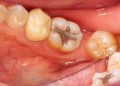
Pregnancy can raise cavity risk through a combination of behavioral and biological changes.
1. Cravings and Frequent Snacking
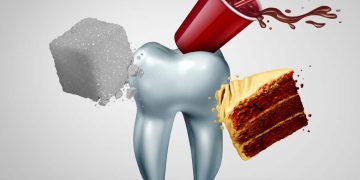
Pregnancy cravings often favor carbohydrates and sweets. More frequent snacking means:
- More acid attacks on enamel
- Less time for saliva to neutralize acids
- Higher likelihood of plaque buildup
2. Morning Sickness and Acid Exposure
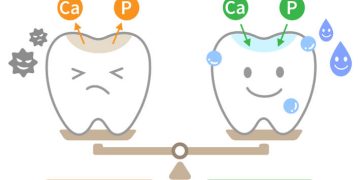
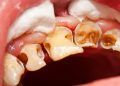
Vomit contains strong stomach acids that weaken enamel, contributing to:
- Tooth sensitivity
- Enamel erosion
- Cavities
Important:
Brushing immediately after vomiting can damage softened enamel. Rinse first, wait 30 minutes, then brush.
3. Lower Saliva Production
Some pregnant women experience dry mouth, often due to dehydration or hormone fluctuations.
- Less saliva means less natural cleansing
- Increased acidity
- Greater susceptibility to cavities
Conversely, others experience excess saliva, which can interfere with oral comfort but does not harm teeth.
4. Shifts in Oral Hygiene Habits
Fatigue, nausea, and changes in routine may result in:
- Reduced brushing frequency
- Shortened brushing time
- Skipped flossing
Over months, these small changes accumulate and contribute to decay.
Which Oral Care Products Are Safe for Expectant Mothers?
Most dental products are safe during pregnancy, but some ingredients offer specific benefits.
1. Fluoride Toothpaste
Fluoride helps strengthen enamel and prevent cavities.
- Safe during pregnancy
- Recommended by dental professionals worldwide
2. Alcohol-Free Mouthwash
Avoid alcohol-containing formulas, especially if experiencing nausea.
Look for:
- Fluoride rinses
- Antimicrobial mouthwashes safe for pregnancy
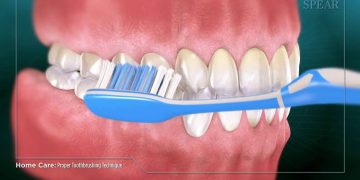
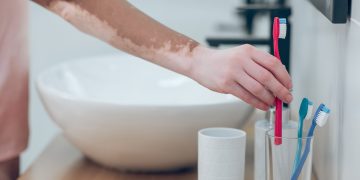
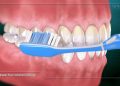
3. Soft-Bristled Toothbrushes
Pregnancy-inflamed gums may be tender.
Soft bristles prevent irritation and protect enamel.
4. Xylitol Gum
Chewing xylitol gum:
- Stimulates saliva
- Reduces cavity-causing bacteria
- Helps neutralize acids
5. Avoid Whitening Products
Most dental whitening agents contain peroxide, which lacks safety studies during pregnancy.
Postpone whitening treatments until after delivery and breastfeeding unless otherwise directed by a dentist.

What Dietary Adjustments Support Better Oral Health During Pregnancy?
Diet plays a major role in dental health during pregnancy.
1. Choose Tooth-Friendly Snacks
Swap sugary choices for options like:
- Cheese
- Nuts
- Yogurt
- Fresh vegetables
- Whole fruits
These foods stimulate saliva and supply essential minerals.
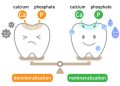
2. Increase Calcium and Vitamin D Intake
These nutrients support strong enamel and bone health.
Sources include:
- Milk and dairy products
- Fortified plant milks
- Leafy greens
- Eggs
- Sunlight exposure
3. Manage Cravings Mindfully
If sugar cravings strike:
- Eat sweets with meals rather than as standalone snacks
- Rinse with water afterward
4. Protect Teeth After Vomiting
Morning sickness is one of the biggest threats to enamel.
Do this instead of brushing immediately:
- Rinse with water
- Follow with a mixture of baking soda and water (1 tsp per cup)
- Brush after 30 minutes
5. Stay Hydrated
Adequate water intake helps:
- Prevent dry mouth
- Reduce acidity
- Wash away bacteria
Water with fluoride provides additional enamel protection.
When Should Pregnant Women Visit the Dentist?
Dental care is crucial during pregnancy, and routine visits are safe and recommended.
1. Ideal Timing
The second trimester is the best period for dental treatment—morning sickness has usually reduced, and lying back is still comfortable.
2. Safe Procedures During Pregnancy
These are generally safe:
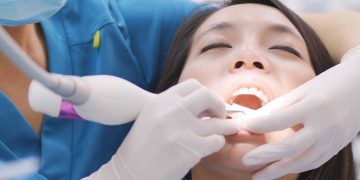
- Exams and cleanings
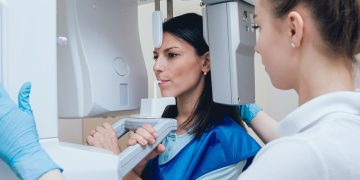
- X-rays with abdominal shielding
- Fillings and necessary treatments
- Emergency dental care
Untreated infections pose a greater risk to the mother and baby than dental procedures.
3. Emergency Symptoms—Seek Immediate Care
Call your dentist if you experience:
- Severe tooth pain
- Swelling or bleeding that worsens
- Broken teeth
- Signs of infection (pus, fever, throbbing)
4. Postpartum Dental Care
Gum inflammation typically decreases after childbirth.
A postpartum cleaning can reduce lingering plaque and inflammation.
Conclusion: Keeping Your Smile Healthy During Pregnancy
Oral care during pregnancy is essential not only for maintaining the mother’s dental health but also for supporting overall wellbeing. Hormonal changes create conditions that increase gum sensitivity, cavity risks, and enamel erosion, but these challenges are manageable with proactive habits.
The best approach includes:
- Gentle and consistent oral hygiene
- Using safe, pregnancy-friendly dental products
- Making smart dietary choices
- Managing morning sickness properly
- Attending routine dental checkups
By maintaining good oral hygiene and staying aware of pregnancy-related changes, expectant mothers can protect their teeth and gums while supporting a healthy pregnancy.







Discussion about this post