
























When considering a smile makeover, veneers are one of the most effective and transformative cosmetic dentistry options available. But once you decide on veneers, the next crucial question arises: porcelain or composite?
Both materials can dramatically enhance your teeth, but they differ in appearance, durability, cost, and suitability. Understanding these differences empowers you to make an informed decision that aligns with your expectations, lifestyle, and budget.
Below is a comprehensive, original article following your outline—taking you deep into material science, aesthetics, long-term performance, and ideal candidate profiles.
1. What Are the Key Material Differences Between Porcelain and Composite Veneers?
Porcelain Veneers
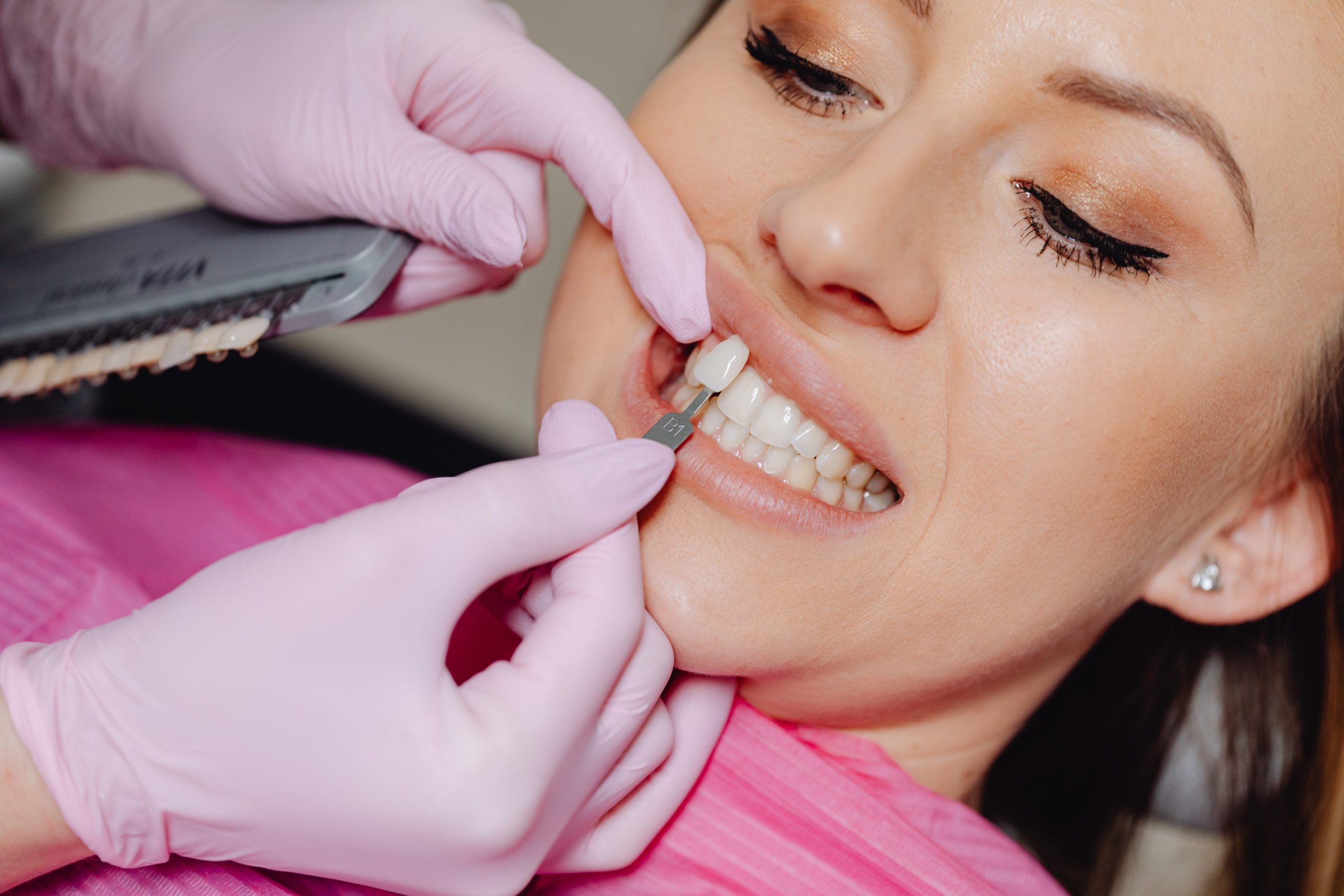
Porcelain veneers are ultra-thin shells crafted from dental ceramic. They are typically created in a dental laboratory using high-grade ceramic materials that mimic the translucency and reflectivity of natural enamel.
Key Characteristics:
- Highly resistant to staining
- Strong and durable ceramic structure
- Translucent, natural-looking finish
- Custom-made for each tooth
- Requires minimal but irreversible enamel removal
Porcelain is known for its excellent optical properties, making it the top choice for those seeking premium cosmetic results.
Composite Veneers
Composite veneers are made from tooth-colored resin—the same material used for cosmetic bonding and fillings. Unlike porcelain, composites are sculpted directly on the tooth or built using pre-cured composite blanks.
Key Characteristics:
- Applied and shaped in a single appointment
- Less expensive
- Easier to repair
- More prone to staining over time
- Slightly less natural in translucency and shine
Composite veneers require little to no enamel removal, making them a more conservative and reversible option.
2. How Do Aesthetic Results Compare Between Porcelain and Composite Veneers?
Porcelain Veneers: The Gold Standard for Aesthetics
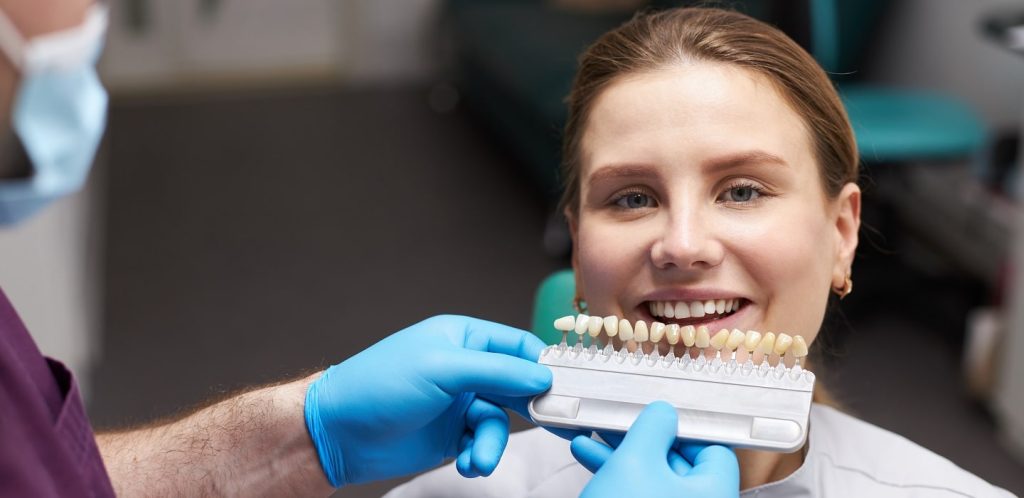
Porcelain veneers provide the most natural, lifelike appearance due to their ability to mimic the light-reflective properties of natural teeth. Dentists can precisely control:
- Color layering
- Translucency
- Gloss and texture
- Shape and symmetry
Once bonded, porcelain looks virtually identical to natural enamel, making it ideal for full smile makeovers or high-visibility teeth.
Composite Veneers: Good, But Not Quite as Refined
Composite resin can achieve a beautiful improvement in tooth shape and color, but its optical characteristics are less sophisticated. Over time, composite tends to lose shine, discolor, and show wear faster.
Aesthetic limitations include:
- Less depth and translucency
- Higher susceptibility to dulling
- Surface polishing must be maintained regularly
Still, composite veneers can deliver excellent and natural-looking results when performed by a skilled cosmetic dentist.
3. How Do Porcelain and Composite Veneers Compare in Cost?
Porcelain Veneers: Higher Initial Investment
Porcelain veneers generally cost more because:
- They require detailed lab fabrication
- They involve multiple appointments
- They use stronger, longer-lasting materials
- They demand higher craftsmanship
They are an investment in a long-term, high-end solution.
Composite Veneers: Budget-Friendly and Accessible
Composite veneers cost significantly less because:
- They are sculpted chairside
- No lab processes are required
- The material itself is less expensive
However, because composite veneers need more maintenance and replacement, long-term costs may gradually add up.
4. Which Option Lasts Longer? A Look at Longevity and Durability
Porcelain Veneers: 10–20 Years
Porcelain veneers have exceptional longevity due to their:
- High stain resistance
- Strong structure
- Ability to maintain shine over decades
With good care, porcelain veneers can last more than 20 years, making them one of the longest-lasting cosmetic dental treatments.
Composite Veneers: 4–8 Years
Composite veneers naturally have a shorter lifespan because the resin:
- Is softer than porcelain
- Stains more easily
- Wears down faster
- Can chip or crack under pressure
However, they can be repaired or resurfaced without replacing the entire veneer.
5. Who Are the Ideal Candidates for Porcelain vs. Composite Veneers?
Ideal Candidates for Porcelain Veneers
You may be a strong porcelain candidate if you:
- Want the most natural and aesthetic smile
- Seek long-term results
- Have moderate to severe discoloration
- Need significant reshaping of teeth
- Desire maximum stain resistance
- Value premium craftsmanship
Porcelain is especially recommended for full smile designs, severe cosmetic concerns, or patients who want the most durable option.
Ideal Candidates for Composite Veneers
Composite veneers are an excellent choice if you:
- Prefer a more affordable option
- Want a reversible or minimally invasive treatment
- Need quick results in one visit
- Have minor cosmetic issues
- Are not ready for a long-term commitment
- Prefer a repairable material
Composite is ideal for younger patients, small cosmetic corrections, or anyone wanting flexibility.
Conclusion: Which Veneer Type Is Better Overall?
The answer depends entirely on your goals.
Porcelain veneers offer superior aesthetics, durability, and long-term stability—they are the premium option for a transformative smile. Composite veneers provide a more budget-friendly, conservative, and repairable alternative that still delivers impressive improvements.
Both materials have strengths, and the “better” option is the one that aligns with your expectations, timeline, and dental needs. A cosmetic dentist can help evaluate your teeth, bite, enamel health, and smile goals to determine your best match.











Discussion about this post