






















You’re diligent about your six-month dental check-up. You sit in the chair, get your teeth polished, and leave feeling fresh. So, when your dentist mentions you might need a “deep cleaning,” it can be confusing and concerning. Isn’t a cleaning just a cleaning? The truth is, these are two fundamentally different procedures designed to address distinct levels of oral health. Understanding the difference between a routine professional cleaning (prophylaxis) and a deep cleaning (scaling and root planing) is crucial for preventing tooth loss and managing your long-term health. This article will serve as your definitive guide, breaking down exactly what each procedure entails, the critical signs that indicate you need more than just a routine clean, and what to expect during and after treatment to ensure your smile stays healthy for years to come.
1. Defining the Procedures: What Each Cleaning Actually Includes
Professional Cleaning (Prophylaxis)
Think of a professional cleaning as routine maintenance for a healthy mouth. It is a preventive procedure designed for individuals who have generally good oral health, with no signs of active gum disease (gingivitis or periodontitis).
- Target: Plaque and calculus (tartar) above the gumline.
- The Process:
- Examination: The hygienist first performs a visual exam and may check gum pockets with a probe.
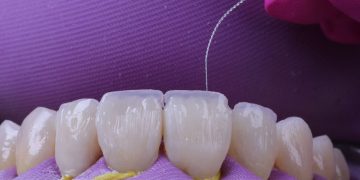
- Scaling: Using an ultrasonic scaler and/or hand instruments, the hygienist carefully removes plaque and tartar from the crowns of the teeth, focusing on areas between teeth and along the gumline.
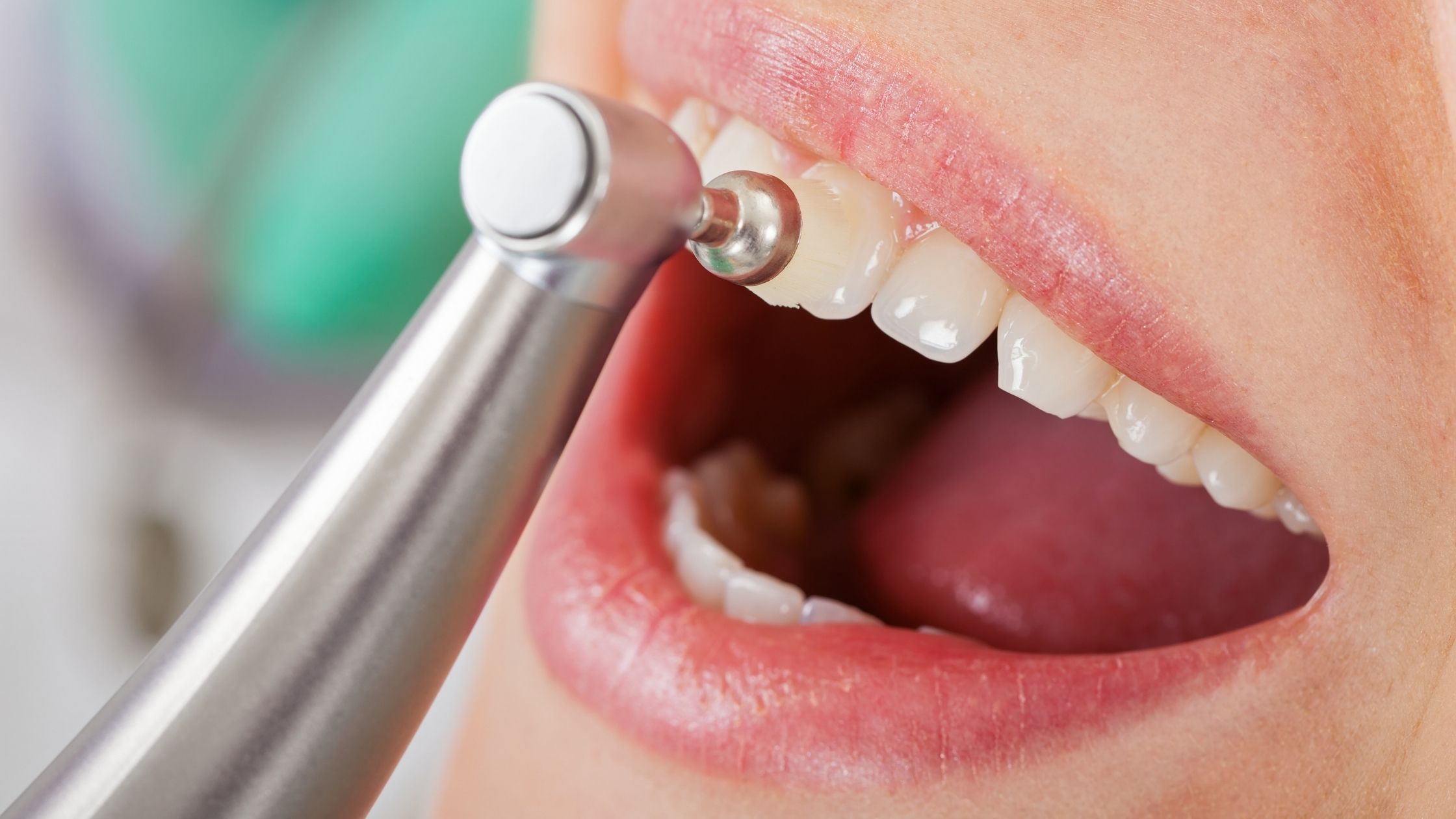
- Polishing: After scaling, the teeth are polished with a slightly abrasive paste and a rotating rubber cup. This removes surface stains and leaves the teeth smooth, making it harder for plaque to adhere.
- Flossing: A final professional floss removes any residual paste or debris.
- Goal: To prevent the onset of gum disease by eliminating the bacteria that cause it. It is the cornerstone of preventive dental care.
Deep Cleaning (Scaling and Root Planing)
A deep cleaning is a therapeutic, non-surgical procedure used to treat active gum disease, specifically periodontitis. It is a medical treatment, not just maintenance.
- Target: Plaque and calculus below the gumline, on the root surfaces of the teeth.
- The Process: This is typically performed one quadrant of the mouth at a time and often under local anesthesia for comfort.
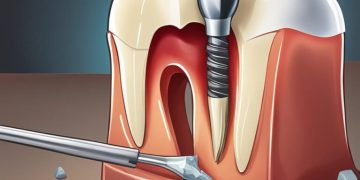
- Scaling: This is the initial, thorough removal of plaque, tartar, and bacterial toxins from the tooth’s root surfaces deep within the gum pockets. This is done with specialized hand instruments designed to navigate the root contours without damaging the soft tissue.
- Root Planing: This is the critical second step. After the calculus is removed, the root surfaces are smoothed or “planed.” This is essential because bacteria thrive on rough, irregular surfaces. By creating a smooth, clean surface, it allows the gum tissue to reattach to the tooth more effectively.
- Goal: To halt the progression of active gum disease, reduce gum inflammation and pocket depth, and create a healthy environment that promotes healing and reattachment.
2. The Tipping Point: When a Deep Cleaning is Medically Necessary
A dentist doesn’t recommend a deep cleaning on a whim. The decision is based on clear, measurable clinical signs of active gum disease. The progression from health to disease dictates the needed treatment.
Gingivitis: The Warning Shot
This is the earliest stage of gum disease, characterized by inflammation. The gums may be red, swollen, and bleed easily during brushing or flossing. Crucially, in gingivitis, there is no permanent bone loss. At this stage, the damage is reversible with a professional cleaning and improved home care.
Periodontitis: The Point of No Return
When gingivitis is left untreated, it advances to periodontitis. Here, the inflammation has spread, and the body’s immune response, combined with bacterial toxins, starts to destroy the bone and connective tissues that hold your teeth in place. This destruction creates “periodontal pockets.” Once bone is lost, it cannot regenerate on its own. A deep cleaning is necessary to stop this active disease process. Key indicators include:
- Persistent bad breath (halitosis)
- Gums that are pulling away from the teeth (receding gums)
- Loose teeth or a change in how your teeth fit together
- Visible pus between the teeth and gums

3. The Diagnostic Decoder: What Gum Pocket Measurements Really Mean
The single most important diagnostic tool for determining your need for a deep cleaning is the periodontal probe. This tiny, blunt ruler is used to measure the depth of the space between your tooth and gum—the sulcus or pocket.
- 1-3 mm with No Bleeding: This is the sign of a healthy sulcus. It can be easily cleaned with proper brushing and flossing.
- 1-3 mm with Bleeding: This indicates gingivitis. The pocket is still shallow, but the tissue is inflamed.
- 4 mm: This is a warning zone. While it may still be manageable with excellent home care, it often signifies that calculus has begun to form below the gumline, making it difficult to clean effectively.
- 5 mm and Above: This is the definitive red flag for periodontitis. A pocket of 5mm or deeper cannot be cleaned by a patient at home. The dental instruments and the healing response from a deep cleaning are required to reduce these pocket depths and control the disease. Pockets deeper than 6-7mm often indicate significant bone loss.
4. What to Expect Afterward: The Healing and Recovery Timeline
The experience and healing process after a deep cleaning are very different from that of a routine cleaning.
After a Professional Cleaning:
You can expect to leave the office feeling fresh and clean. There is typically no discomfort or downtime. Your gums might feel a little tender if they were inflamed from gingivitis, but this resolves quickly with proper brushing and flossing.
After a Deep Cleaning (Scaling and Root Planing):
Because this procedure is more invasive, the healing process is more involved.
- Discomfort: It is normal to experience some soreness and sensitivity for a few days, especially to hot and cold. This is managed with over-the-counter pain relievers as recommended by your dentist.
- Sensitivity: Since the roots have been cleaned and may now be slightly more exposed, tooth sensitivity is common. This usually diminishes over 1-4 weeks. Using a desensitizing toothpaste can provide significant relief.
- Healing Timeline: The biological healing of the gum tissue and reattachment to the root surfaces is a slow process. You may notice your gums shrinking as the inflammation subsides, which can make teeth appear slightly longer. The goal is for the gum tissue to tighten around the tooth, reducing pocket depths. This initial healing takes about 4-6 weeks, which is why a follow-up appointment is critical.
5. The Long-Term Commitment: Maintaining Your Results
A deep cleaning is not a cure; it is a control mechanism for a chronic condition, much like high blood pressure. The long-term success hinges entirely on what happens next.
The Perio Maintenance Appointment
After a deep cleaning, you will not return to “regular cleanings.” Instead, you will be placed on a perio maintenance schedule. These appointments are similar to a professional cleaning but are more frequent (usually every 3-4 months) and have a different focus. The hygienist will:
- Re-measure your gum pockets to monitor stability.
- Perform scaling in any areas that have deeper pockets.
- Reinforce your home care techniques.
This frequent monitoring is essential to prevent the disease from reactivating and causing further bone loss.
The Non-Negotiable Role of Home Care
Your daily routine becomes your first line of defense. This goes beyond just brushing and flossing and may include:
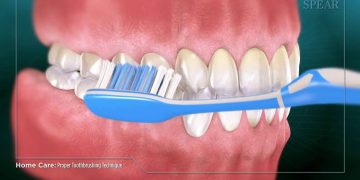
- Excellent Technique: Ensuring you are brushing effectively along the gumline.
- Interdental Cleaners: Using tools like water flossers, interdental brushes, or soft-picks to clean between teeth and under the gumline where a toothbrush can’t reach.
- Antimicrobial Rinses: Using a prescription or over-the-counter mouthwash as recommended by your dentist to reduce bacteria.
The choice between a professional cleaning and a deep cleaning is not yours to make—it is a clinical diagnosis made by your dental professional based on the health of your gums. Understanding this distinction empowers you to have informed conversations about your treatment. A professional cleaning is an investment in prevention, while a deep cleaning is an essential investment in saving your teeth from a silent, destructive disease. By committing to the recommended treatment and the necessary long-term maintenance, you are not just preserving your smile; you are safeguarding your overall health.








Discussion about this post