





















Most people understand that staying hydrated is essential for overall well-being, but far fewer realize how deeply hydration affects oral health. Your mouth is a highly dynamic environment, constantly balancing bacteria, minerals, pH levels, and protective fluids. At the center of all this is saliva—a substance your body cannot produce effectively without proper hydration.
This article explores how hydration shapes your oral health, the subtle dangers of dehydration, and practical ways to make water a dependable part of your daily routine.
1. How Does Hydration Stimulate Saliva and Protect Your Teeth?
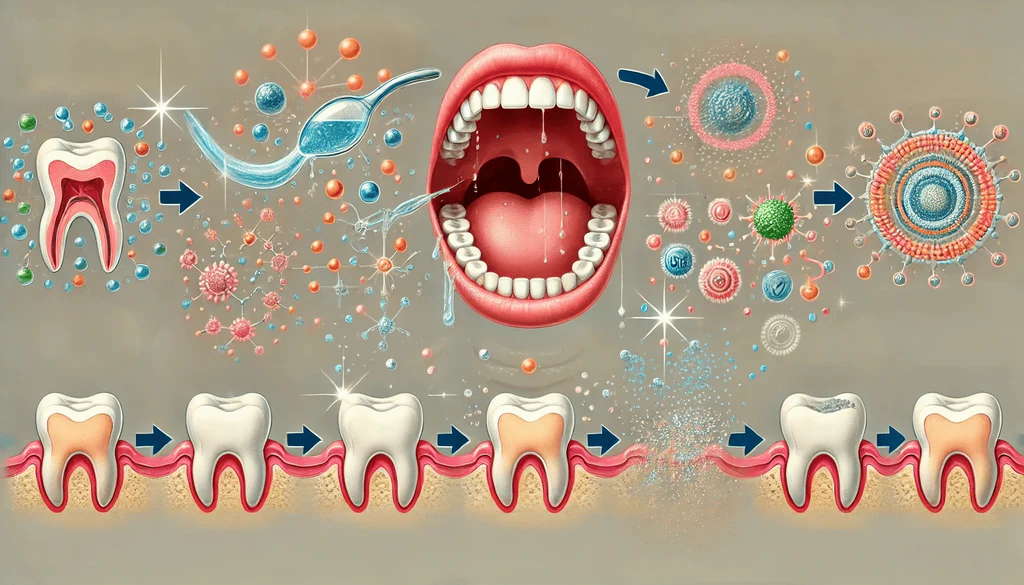
Saliva is one of your body’s most underestimated defense systems. It keeps the mouth moist, protects enamel, supports digestion, and limits bacterial growth. But optimal saliva production depends heavily on hydration.
Why saliva matters:
- Neutralizes harmful acids created by oral bacteria
- Washes away food particles before they ferment
- Lubricates tissues, preventing irritation and mouth sores
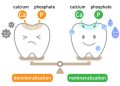
- Supports remineralization, the process that strengthens enamel
- Maintains a stable oral pH
When you are hydrated, your salivary glands work efficiently, producing enough saliva to keep the oral environment balanced and healthy.
Signs hydration is supporting saliva flow:
- Smooth tongue surface
- Moist inner cheeks
- Minimal bad breath
- Easier swallowing
- Comfortable mouthfeel
Without adequate water, saliva cannot perform these essential functions, increasing your risk for cavities, gum disease, and discomfort.
2. How Does Hydration Affect Mineral Balance in the Mouth?
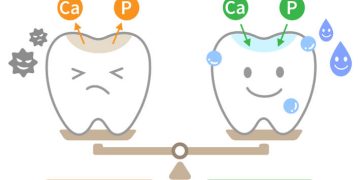
Enamel may be incredibly strong, but it’s constantly undergoing microscopic erosion and repair. The ability of enamel to reharden and strengthen depends on the minerals in your saliva—not just fluoride but also calcium, phosphate, and bicarbonate.
Hydration supports mineralization in two ways:
1. Adequate saliva flow distributes minerals across your teeth
Saliva bathes teeth in essential minerals throughout the day.
Dehydration disrupts this natural remineralizing cycle.
2. Hydrated saliva stabilizes pH levels
When the mouth becomes acidic, minerals leach out of the enamel.
Saliva counters acidity, allowing enamel to absorb minerals again.
What happens without proper hydration:
- Higher acidity levels
- Faster enamel breakdown
- Less mineral availability
- Higher cavity risk
- Sensitivity due to enamel thinning
Even with a healthy diet or fluoride toothpaste, mineral balance weakens when hydration is inadequate.
3. What Are the Warning Signs of Dehydration in Your Mouth?
Dehydration doesn’t only show up as thirst. In fact, by the time you feel thirsty, your body may already be lacking the fluids needed to support oral health.
Common oral signs of dehydration:
1. Dry mouth (xerostomia)
One of the most obvious signals. Dry mouth increases cavity risk dramatically.
2. Bad breath
Without saliva, odor-causing bacteria multiply quickly.
3. Thick, stringy saliva
This indicates saliva is becoming concentrated and less effective.
4. Cracked lips or dry corners of the mouth
Often linked to reduced moisture levels.
5. Difficulty swallowing or speaking
Moisture is needed for smooth movement of oral tissues.
6. Sugar or salt cravings
Your body may be signaling electrolyte imbalance.
7. Increased plaque buildup
Without saliva flow, plaque accumulates rapidly on teeth.
Ignoring these signs allows bacteria to thrive and enamel to weaken. Chronic dehydration can also worsen gum inflammation and increase the risk of oral infections.
4. What Are the Best Beverages for Supporting Oral Health?
Not all drinks hydrate your mouth equally. Some beverages support saliva production and protect enamel, while others dry your mouth or erode your teeth.
Best beverages for hydration and oral health:
1. Plain water
The gold standard.
Zero sugar, neutral pH, restorative to saliva flow.
2. Mineral water
Provides electrolytes and trace minerals that support enamel health.
3. Herbal teas (unsweetened)
Hydrating, soothing, and non-acidic.
4. Coconut water (in moderation)
Hydrating with natural electrolytes, but check for added sugars.
5. Milk
Rich in calcium and phosphate, with a near-neutral pH.
Beverages to limit or avoid:
1. Sugary sodas
Highly acidic and dehydrating due to caffeine and sugar.
2. Energy drinks
Often more acidic than soda, with high sugar content.
3. Coffee and black tea
Mildly dehydrating due to caffeine—acceptable in moderation with added water intake.
4. Alcohol
Drying effect on oral tissues and disrupts saliva flow.
5. Fruit juices
Natural but acidic, often loaded with sugar.
A practical rule: If it’s sweet, acidic, or caffeinated, pair it with extra water.
5. What Are the Most Effective Water Intake Tips for Daily Oral Health?
Staying hydrated isn’t difficult—it just requires consistency and simple habits.
1. Follow the “sip small, sip often” rule
Frequent small sips maintain consistent saliva production better than occasional large gulps.
2. Keep water accessible at all times
A bottle at your desk, bedside, or in your bag increases your hydration automatically.
3. Start and end your day with water
Morning water restores hydration after sleep; nighttime water supports overnight oral moisture.
4. Increase water intake during:
- Exercise
- Illness
- Hot weather
- Stress
- High caffeine or alcohol consumption
5. Flavor your water naturally
Lemon slices, mint, cucumber, berries, or herbs encourage more drinking without added sugars.
6. Use a hydration tracking bottle
Many modern bottles remind you to drink at intervals, helping build habits.
7. Choose hydrating foods
Water-rich foods like cucumbers, melons, oranges, and leafy greens also support oral moisture.
8. Avoid habitually breathing through your mouth
Mouth breathing dries oral tissues; nasal breathing preserves moisture.
Conclusion: Is Hydration the Most Overlooked Factor in a Healthy Mouth?
Absolutely. Hydration shapes nearly every aspect of oral health—from preventing acid attacks to regulating bacteria, supporting remineralization, and maintaining comfortable oral tissues. The difference between a dry, cavity-prone mouth and a healthy, resilient smile often comes down to something as simple as consistent water intake.
By prioritizing hydration, choosing tooth-friendly beverages, and understanding dehydration warning signs, you give your teeth and gums the natural support they need to stay strong for life.





Discussion about this post